



Used Inventory in High Demand: How Dealers Can Sell More F&I Products in 2021
With a few key strategies in mind, auto dealers will be better equipped with the right F&I product portfolio to meet the needs of the growing number of people shopping for used vehicles in 2021.
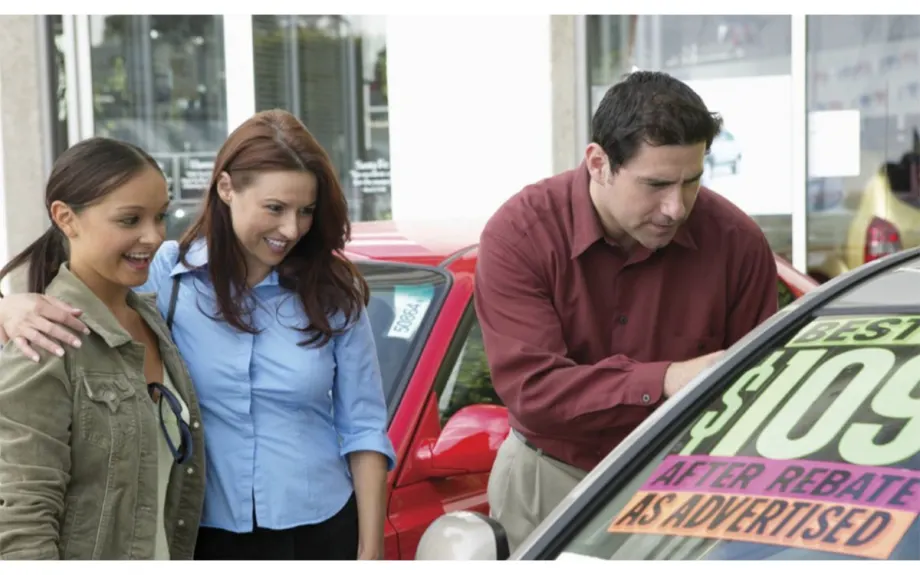
Consumers today have a diverse set of needs that match various F&I products.
IMAGE: Barry Austin Photography via GettyImages.com
Over the last decade, consumer focus has shifted to cutting-edge electric cars and feature-loaded new SUVs and pickup trucks. However, entering 2021, used cars are among the automotive industry’s hottest commodity because they offer many of the technology features and convenience packages consumers want at a more affordable price.
Consumers today have a diverse set of needs that match various F&I products.
With so much emphasis on used cars today, auto retailers must ensure their F&I product portfolio matches the various needs of their customers looking for used instead of new.
Consumers today are hot after used vehicles so they can avoid trains, buses, or Ubers during the pandemic, while enjoying the independence of vehicle ownership. As demand for used inventory continues to rise and manufacturers adjust to production capacity brought on by the pandemic, dealers need to ensure their F&I product mix matches the interests and needs of today’s shoppers.
In terms of the outlook for used-vehicle sales in 2021, industry analysts at Edmunds are forecasting 41 million units this year, up from an estimated 38.3 million sales last year.
Consumers Have Unique Needs for Used Vehicles
Consumers today have a diverse set of needs that match various F&I products. Some products stand alone, while others can be combined to better meet the consumers’ lifestyles, protection needs, or budgets.
It is critical for dealers to understand their customers’ wants and needs. F&I partner providers are now taking more of a consultative approach to understanding the dealer’s goals to properly align products and services that help dealers reach their business and financial objectives.
What’s more, the pandemic expedited the integration of digital retail requirements for dealers. Consumers have been demanding a more digital shopping experience in the automotive space prior to the pandemic. As a result, more dealers have implemented digital retailing elements to incorporate F&I product options and education earlier in the online process for car shoppers.
With used inventory in high demand, here are the product trends we’ve seen developing in recent years:
Pre-Owned Vehicle Service Contract Programs: With multiple levels of coverage and a range of model years and mileage bands, many consumers are choosing auto care plans for used vehicles.
Certified Programs: Dealers tend to gravitate toward certified programs, such as limited warranties, because they offer numerous options relative to eligibility, coverage, and deductible options. Additionally, many certified programs offer dealers investment opportunities in the form of dealer participation programs.
Ancillary: Ancillary programs are in high demand because they protect key elements of the vehicle and can be added individually, or as part of a combination program to complement the coverage a vehicle service contract program provides.
Five years ago, dealers reported most car shoppers purchasing F&I products such as tire and wheel protection (37.9%), exterior appearance products (37%), windshield repair (35.6%), and key fob replacement (34.8%). According to Protective Asset Protection’s 2019 F&I Trends report, consumers today have prioritized ancillary packages in the following order: key fobs, tire and wheel replacement, windshield repair, exterior appearance protection, interior protection, and theft deterrent2.
GAP: In the event of a total loss or unrecovered theft, GAP will, in most cases, pay the difference between the actual cash value and the scheduled balance owed to the lender. While GAP is not a new product, it has grown in popularity over the last few years because of an increase in claims due to more accidents with more cars on the road; insurance companies are more likely to total vehicles due to the rising complexity and cost of replacement parts, in conjunction with falling residual values (particularly for cars over SUVs/crossovers and trucks); and more impactful weather events driving up claim payouts in recent years.
With these strategies in mind, auto dealers will be better equipped with the right F&I product portfolio to meet the needs of the growing number of people shopping for used vehicles in 2021.
Tim Blochowiak is vice president of dealer sales at Protective Asset Protection, a full-service provider of F&I programs offering products, training, and other services through vehicle dealerships.
READ: Automotive Finance Industry Shows Consistency in Q4 2020 Despite Disruptions
Originally posted on F&I and Showroom
More Dealer Ops
How to Avoid Phone Scams | Dealer Debrief 09/10/2026
Are you taking the necessary steps to protect your dealership and customer data from phone-based scams? This week's Dealer Debrief breaks down how!
Read More →
Dealer Debrief: August Auto Sales
Gas-powered engines still dominate the U.S. vehicle market, but hybrids are gaining ground as consumers look for ways to cut their gas costs.
Read More →
Dealership Profits Decline
While new and used retail sales stagnated, dealerships have been particularly supported by fixed operations and finance-and-insurance profits, according to a new report.
Read More →
Dealer Debrief: Defection Data & EV Updates
In this week's debrief, host Lauren Lawrence discusses how to use defection data to your advantage and the latest on EV sales and charging infrastructure.
Read More →
How Defection Data is Bridging the Dealership Conversion Gap
Lead volume is flat, cross-shopping is up and brand loyalty is in retreat. As confident sales teams keep losing buyers they thought they had, daily industry sales data is showing dealers exactly where their funnel is breaking and how to fix it without buying a single new lead.
Read More →
Dealer Debrief: Where are you losing customers?
In this week's debrief, host Lauren Lawrence discusses the hidden leaks in dealerships where you might be losing customers without even realizing it.
Read More →
Dealer Debrief: Improving Your Inventory Management
In this week's debrief, host Lauren Lawrence covers a new survey that shows what service technicians really want and two launches that could help improve your inventory and vehicle life cycle management.
Read More →
Ladies and Gentlemen, This Is a Dealership: Why the Fundamentals Still Decide Who Wins
A teaching moment by a legendary football coach happens to apply perfectly in the auto retail space. Learn what it is and how to use it to your store’s advantage.
Read More →
Dealer Ads and the FTC
The agency has made it clear in recent enforcement actions and warnings, in auto retail and other industries, that advertised prices must include all nonoptional costs to the consumer.
Read More →
Used Autos Supply Dwindles
The March shopping surge, despite high prices, cut into inventory by the most since the thick of the pandemic, Cox Automotive analysts calculated.
Read More →