



Slow Down to Speed Up
We’ve all heard scary stories of identity theft and the stolen cars resulting from it. We need to slow down to speed up and use all the tools in our arsenal to prevent identity theft.
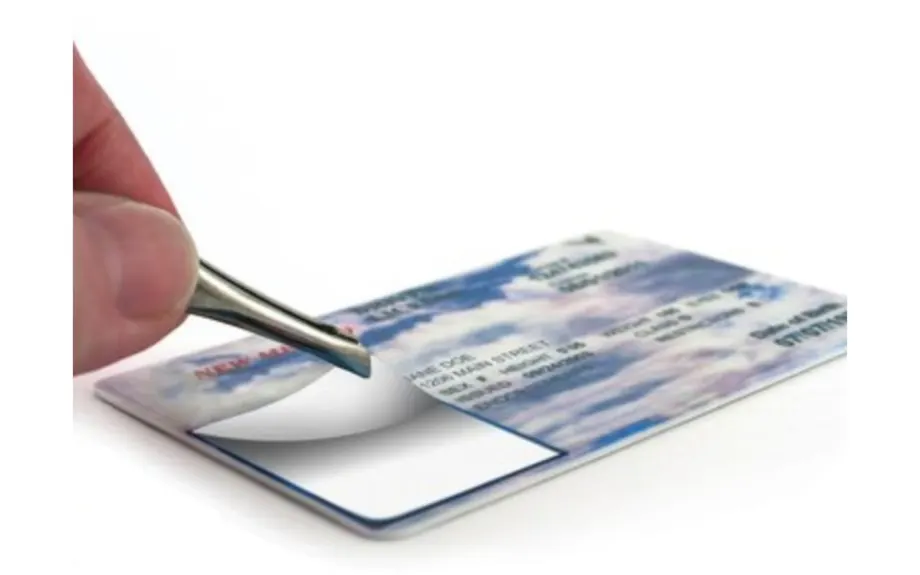
We’ve all heard scary stories of identity theft and the stolen cars resulting from it. We need to slow down to speed up and use all the tools in our arsenal to prevent identity theft.
Image by DUCKYCARDS via GettyImages.com
I was so proud when I got my first driver’s license. My dad taught me on the back roads of our small town using an old stick shift Chevy. I think we both needed chiropractic attention after the first few times I used the clutch, but he lessened the tension in the cab by alternating between laughing and bracing himself against the dash.
Don’t be in such a hurry to get the customer into the office to try to sell them a bunch of products that you skip right past some indicators of potential fraud.
Driver’s licenses not only are sources of pride for young kids learning to drive, but they also contain great information. We’ve all heard scary stories of identity theft and the stolen cars resulting from it. The bad guys are getting better and better, which means the good guys have to get better and better, too. We need to slow down to speed up and use all the tools in our arsenal to prevent identity theft, and that includes paying special attention to the driver’s license.
Name and Picture
Remember the movie “The Blind Side” about Michael Oher? He wanted a license because it showed his name. First and foremost, look at the name on the license. Does it match what the customer provided? Check to see if a middle name or middle initial is used. Look to see if a suffix is used such as “Jr.” Don’t be so focused on checking that a copy is in the deal that you miss details. Slow down when you get the deal jacket long enough to see that you have a copy of the license included, and take your time to look at it and compare the picture to the person who presented it.
Signature
Look at the signature on the license. Make sure it looks like an actual signature and not like cursive font. Compare it to another document the customer signed. Do the signatures look alike? Examine the capital letters to see if they’re made the same. Look at the upstrokes and downstrokes. If a lowercase “p” is in the name, how far below the line does it dip? If a lowercase “d” is used, how tall does the vertical line stretch? Look how letters are dotted or crossed. For instance, does the “t” have a long crossbar or a short one? Does it angle upwards or downwards? If there is a lowercase “i”, look at the dot. Is the dot visible, made with a circle or another symbol, and where is it placed? Is the dot directly over the letter or is it somewhere else? Also look at how the signature ends. Is there a curlicue, a straight line going to the right, a flourish up or down? All of these can help you spot identity theft.
Address
Look carefully at the customer’s address on the license. Does it match what the credit app shows? Does it match what the credit bureau shows? Take a look at the issue date and compare it to the length of time listed on the credit application. I recently spotted a fake ID because the license showed it was issued two years and 11 months ago while the credit application showed the time as two years and three months. That simple examination prevented identity theft.
There are many companies out there that have products to help verify a customer’s identity. Sometimes we get too focused on working the system that we forget what it’s designed to do. Slow down to speed up. Don’t be in such a hurry to get the customer into the office to try to sell them a bunch of products that you skip right past some indicators of potential fraud.
More Dealer Ops
How to Avoid Phone Scams | Dealer Debrief 09/10/2026
Are you taking the necessary steps to protect your dealership and customer data from phone-based scams? This week's Dealer Debrief breaks down how!
Read More →
Dealer Debrief: August Auto Sales
Gas-powered engines still dominate the U.S. vehicle market, but hybrids are gaining ground as consumers look for ways to cut their gas costs.
Read More →
Dealership Profits Decline
While new and used retail sales stagnated, dealerships have been particularly supported by fixed operations and finance-and-insurance profits, according to a new report.
Read More →
Dealer Debrief: Defection Data & EV Updates
In this week's debrief, host Lauren Lawrence discusses how to use defection data to your advantage and the latest on EV sales and charging infrastructure.
Read More →
How Defection Data is Bridging the Dealership Conversion Gap
Lead volume is flat, cross-shopping is up and brand loyalty is in retreat. As confident sales teams keep losing buyers they thought they had, daily industry sales data is showing dealers exactly where their funnel is breaking and how to fix it without buying a single new lead.
Read More →
Dealer Debrief: Where are you losing customers?
In this week's debrief, host Lauren Lawrence discusses the hidden leaks in dealerships where you might be losing customers without even realizing it.
Read More →
Dealer Debrief: Improving Your Inventory Management
In this week's debrief, host Lauren Lawrence covers a new survey that shows what service technicians really want and two launches that could help improve your inventory and vehicle life cycle management.
Read More →
Ladies and Gentlemen, This Is a Dealership: Why the Fundamentals Still Decide Who Wins
A teaching moment by a legendary football coach happens to apply perfectly in the auto retail space. Learn what it is and how to use it to your store’s advantage.
Read More →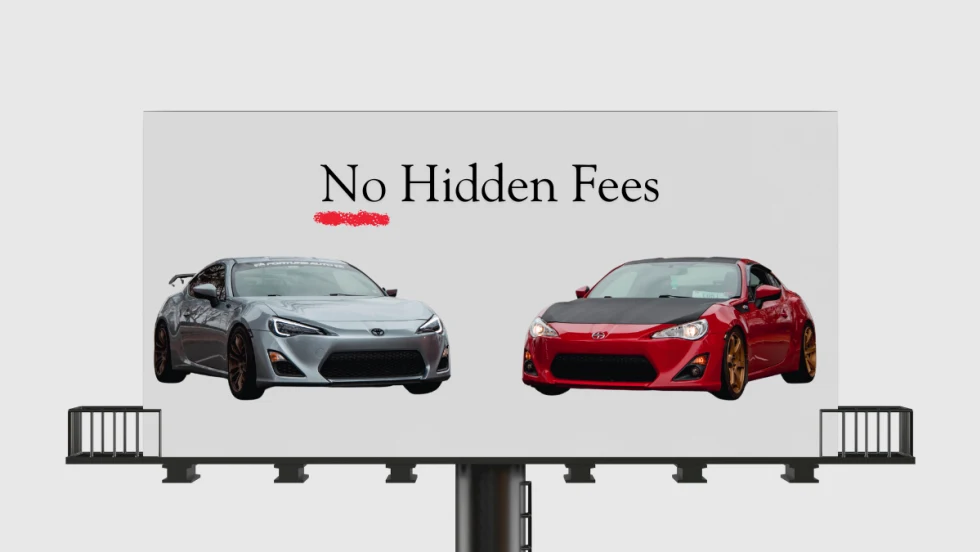
Dealer Ads and the FTC
The agency has made it clear in recent enforcement actions and warnings, in auto retail and other industries, that advertised prices must include all nonoptional costs to the consumer.
Read More →
Used Autos Supply Dwindles
The March shopping surge, despite high prices, cut into inventory by the most since the thick of the pandemic, Cox Automotive analysts calculated.
Read More →