



Black Book: Vehicle Depreciation Dropped to 13.2% in 2017
The average price of a used vehicle for model years 2012–’16 depreciated in value by 2.9%. Cars overall dropped by 3.0% and trucks decreased by 2.8% in value during December.

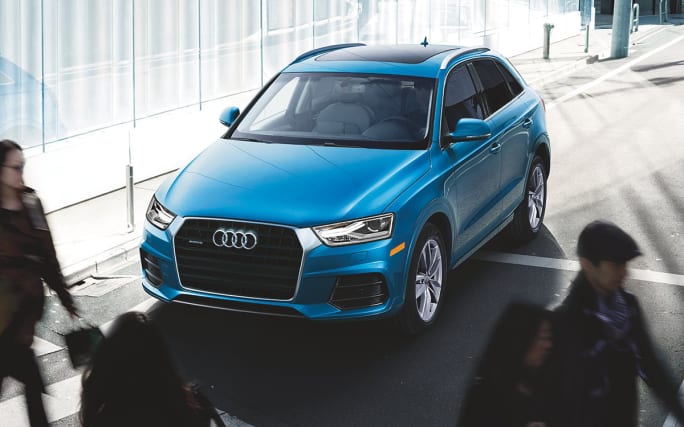
Used subcompact luxury CUVs such as the Audi Q3 suffered a 19.2% year-over-year value decrease in December, leading all categories in Black Book’s latest rankings. Photo courtesy Audi AG
LAWRENCEVILLE, Ga. — According to Black Book data, the average price of a used vehicle for model years 2012–’16 depreciated in value by 2.9%. Cars overall dropped by 3.0% and trucks decreased by 2.8% in value during December. All vehicles averaged a 12-month depreciation of 13.2% during 2017, compared to a depreciation of 17.3% in 2016.
The largest average depreciation for December was in the subcompact luxury crossover segment, which fell by 4.8%. Vehicles in this segment finished December with an average price of $14,952, a 19.2% decrease from the $18,496 price tag these units enjoyed just a year ago.
Prestige luxury cars saw the largest decrease in value from year-ago levels. This category dropped 23.4% since December of 2016, when its average price was $41,452. This group currently averages $31,745.
Two vehicle segments tied for the lowest depreciation during December: Small pickups and full-size vans decreased in value by just 1.7%.
“Vehicle values ended the year with an easing of depreciation during the month of December,” said Anil Goyal, Black Book’s senior vice president of automotive valuation and analytics. “Between a stronger-than-expected spring selling season that lasted into early summer and the two hurricanes during the fall that required a healthy dose of vehicle replacement activity, we saw lower overall depreciation this year compared with 2016.”
Originally posted on F&I and Showroom
More Dealer Ops

How to Avoid Phone Scams | Dealer Debrief 09/10/2026
Are you taking the necessary steps to protect your dealership and customer data from phone-based scams? This week's Dealer Debrief breaks down how!
Read More →
Dealer Debrief: August Auto Sales
Gas-powered engines still dominate the U.S. vehicle market, but hybrids are gaining ground as consumers look for ways to cut their gas costs.
Read More →
Dealership Profits Decline
While new and used retail sales stagnated, dealerships have been particularly supported by fixed operations and finance-and-insurance profits, according to a new report.
Read More →
Dealer Debrief: Defection Data & EV Updates
In this week's debrief, host Lauren Lawrence discusses how to use defection data to your advantage and the latest on EV sales and charging infrastructure.
Read More →
How Defection Data is Bridging the Dealership Conversion Gap
Lead volume is flat, cross-shopping is up and brand loyalty is in retreat. As confident sales teams keep losing buyers they thought they had, daily industry sales data is showing dealers exactly where their funnel is breaking and how to fix it without buying a single new lead.
Read More →
Dealer Debrief: Where are you losing customers?
In this week's debrief, host Lauren Lawrence discusses the hidden leaks in dealerships where you might be losing customers without even realizing it.
Read More →
Dealer Debrief: Improving Your Inventory Management
In this week's debrief, host Lauren Lawrence covers a new survey that shows what service technicians really want and two launches that could help improve your inventory and vehicle life cycle management.
Read More →
Ladies and Gentlemen, This Is a Dealership: Why the Fundamentals Still Decide Who Wins
A teaching moment by a legendary football coach happens to apply perfectly in the auto retail space. Learn what it is and how to use it to your store’s advantage.
Read More →
Dealer Ads and the FTC
The agency has made it clear in recent enforcement actions and warnings, in auto retail and other industries, that advertised prices must include all nonoptional costs to the consumer.
Read More →
Used Autos Supply Dwindles
The March shopping surge, despite high prices, cut into inventory by the most since the thick of the pandemic, Cox Automotive analysts calculated.
Read More →