



Chrysler Dealer Lawsuit Against U.S. Government to Go Forward
A lawsuit alleging that the U.S. government acted illegally when it required Chrysler to close down 789 dealerships in order to be eligible for funding from the Troubled Asset Relief Program will be allowed to move forward, a judge ruled last week.
MINEOLA, N.Y. — The U.S. government’s latest motion to dismiss a lawsuit filed on behalf of over 200 former Chrysler dealers by law firm Bellavia Blatt & Crossett has been dismissed, meaning the lawsuit will go forward.
The lawsuit alleges that the dealers’ constitutional protections against the taking of private property for the public good were violated when Chrysler was forced to terminate dealerships in order to receive money from the federal government’s Troubled Asset Relief Program (TARP).
In the lawsuit, Bellavia Blatt argues that the Obama administration required Chrysler to close down 789 dealerships in order to be eligible for TARP funding. Chrysler received $1.5 billion from the federal government between 2008 and 2009 as part of the TARP program. The firm says the takings clause of the Fifth Amendment can be invoked if the government seizes the private property of its citizens for the public good — in this case, saving the U.S. economy.
The government previously brought a motion to dismiss the complaint before the Federal Court of Claims. On February 27, 2012, Judge Robert H. Hodges, Jr. denied the government’s motion and ruled in favor of the plaintiffs. In his ruling, Judge Hodges said that the plaintiffs had, in fact, stated a viable cause of action against the government and further ordered that the case proceed with discovery which may include massive document production, as well as depositions of former Chrysler employees and members of the Obama administration involved with the TARP program. The government appealed this ruling, and the Federal Court of Appeals denied the appeal and permitted the plaintiffs to file an amended complaint.
In the amended complaint, alleging several scenarios under which, they argued, their dealerships would have retained value, even without a bailout, one of the scenarios alleged a merger with Fiat that would have allowed Chrysler to continue operations.
On Sept. 9, 2015, Judge Nancy B. Firestone of the Court of Federal Claims, ruled that this scenario was deemed the most plausible in that Fiat would have kept Chrysler’s dealership network as is rather than create a newer — and more expensive — network.
“We are thrilled with the Court’s decision to accept our plaintiff’s scenario and allow the case to move forward,” said Leonard Bellavia, senior partner of Bellavia Blatt. “This was a travesty that destroyed the dreams of American entrepreneurs for absolutely no good reason. The government must be made to compensate these business owners for its mistake.”
Originally posted on F&I and Showroom
More Dealer Ops
How to Avoid Phone Scams | Dealer Debrief 09/10/2026
Are you taking the necessary steps to protect your dealership and customer data from phone-based scams? This week's Dealer Debrief breaks down how!
Read More →
Dealer Debrief: August Auto Sales
Gas-powered engines still dominate the U.S. vehicle market, but hybrids are gaining ground as consumers look for ways to cut their gas costs.
Read More →
Dealership Profits Decline
While new and used retail sales stagnated, dealerships have been particularly supported by fixed operations and finance-and-insurance profits, according to a new report.
Read More →
Dealer Debrief: Defection Data & EV Updates
In this week's debrief, host Lauren Lawrence discusses how to use defection data to your advantage and the latest on EV sales and charging infrastructure.
Read More →
How Defection Data is Bridging the Dealership Conversion Gap
Lead volume is flat, cross-shopping is up and brand loyalty is in retreat. As confident sales teams keep losing buyers they thought they had, daily industry sales data is showing dealers exactly where their funnel is breaking and how to fix it without buying a single new lead.
Read More →
Dealer Debrief: Where are you losing customers?
In this week's debrief, host Lauren Lawrence discusses the hidden leaks in dealerships where you might be losing customers without even realizing it.
Read More →
Dealer Debrief: Improving Your Inventory Management
In this week's debrief, host Lauren Lawrence covers a new survey that shows what service technicians really want and two launches that could help improve your inventory and vehicle life cycle management.
Read More →
Ladies and Gentlemen, This Is a Dealership: Why the Fundamentals Still Decide Who Wins
A teaching moment by a legendary football coach happens to apply perfectly in the auto retail space. Learn what it is and how to use it to your store’s advantage.
Read More →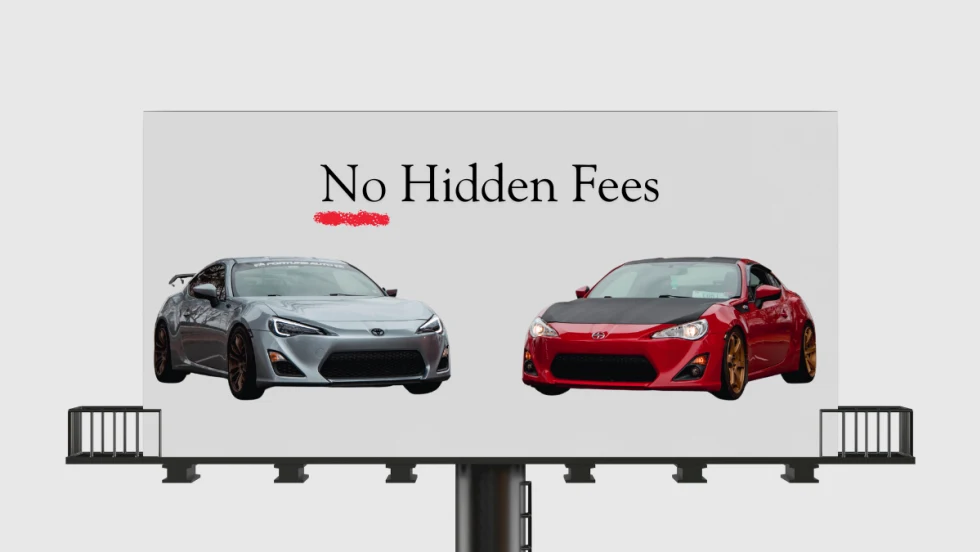
Dealer Ads and the FTC
The agency has made it clear in recent enforcement actions and warnings, in auto retail and other industries, that advertised prices must include all nonoptional costs to the consumer.
Read More →
Used Autos Supply Dwindles
The March shopping surge, despite high prices, cut into inventory by the most since the thick of the pandemic, Cox Automotive analysts calculated.
Read More →