



Cordray: CFPB Disagrees With Conclusions of CRA Study
CFPB Director Richard Cordray fielded questions about dealer compliance programs and a recent study calling out the bureau’s methods for determining discrimination during a semi-annual report to Congress earlier this month.

WASHINGTON, D.C. — During the Consumer Financial Protection Bureau’s semi-annual presentation to Congress in March, Director Richard Cordray offered little direction as to the regulator’s next steps in the auto lending market, but he did confirm that the bureau disagrees with a recent study calling its methodology flawed.
In November, a study commissioned by the American Financial Services Association (AFSA) and conducted by Charles River Associates found that the proxy methodology used by the CFPB to determine disparate impact to legally protected groups has significant error rates. Using this method, the bureau has alleged that dealers are charging minorities higher rates for auto loans.
Five trade groups issued a letter to the CFPB last month urging the regulator to respond publicly to the study’s findings. According to the study, when the CFPB’s proxy uses an 80% probability that a person belongs to an African American group, the proxy correctly identified their race less than 25% of the time.
“We don’t agree with the conclusions of the report and we’ve looked at it fairly carefully,” Cordray told members of the House Committee on Financial Services. “… We don’t find some obligation to respond to studies out there all the time on all aspects of our work, but, as we always will do with any analysis of data, we’ve looked carefully at it to figure out what it might mean for our program.”
The director also fielded questions about proposed solutions to address its disparate impact claims in auto lending, including flat fees and compliance management programs. While he acknowledged that moving to flat fees was not the end-all solution, Cordray seemed unenthused about fair lending compliance policies like the one launched by the National Automobile Dealers Association last year.
“… People can have a compliance management system,” he said. “But it feels to me very onerous and burdensome.”
About the NADA’s program, he added: “The dealer program that they’ve developed may well be an excellent program and we’ve talked to them about it at their suggestion. It’s really more for the Justice Department to say what they think of that. [It’s] not really within my jurisdiction.”
Originally posted on F&I and Showroom
More Dealer Ops

How to Avoid Phone Scams | Dealer Debrief 09/10/2026
Are you taking the necessary steps to protect your dealership and customer data from phone-based scams? This week's Dealer Debrief breaks down how!
Read More →
Dealer Debrief: August Auto Sales
Gas-powered engines still dominate the U.S. vehicle market, but hybrids are gaining ground as consumers look for ways to cut their gas costs.
Read More →
Dealership Profits Decline
While new and used retail sales stagnated, dealerships have been particularly supported by fixed operations and finance-and-insurance profits, according to a new report.
Read More →
Dealer Debrief: Defection Data & EV Updates
In this week's debrief, host Lauren Lawrence discusses how to use defection data to your advantage and the latest on EV sales and charging infrastructure.
Read More →
How Defection Data is Bridging the Dealership Conversion Gap
Lead volume is flat, cross-shopping is up and brand loyalty is in retreat. As confident sales teams keep losing buyers they thought they had, daily industry sales data is showing dealers exactly where their funnel is breaking and how to fix it without buying a single new lead.
Read More →
Dealer Debrief: Where are you losing customers?
In this week's debrief, host Lauren Lawrence discusses the hidden leaks in dealerships where you might be losing customers without even realizing it.
Read More →
Dealer Debrief: Improving Your Inventory Management
In this week's debrief, host Lauren Lawrence covers a new survey that shows what service technicians really want and two launches that could help improve your inventory and vehicle life cycle management.
Read More →
Ladies and Gentlemen, This Is a Dealership: Why the Fundamentals Still Decide Who Wins
A teaching moment by a legendary football coach happens to apply perfectly in the auto retail space. Learn what it is and how to use it to your store’s advantage.
Read More →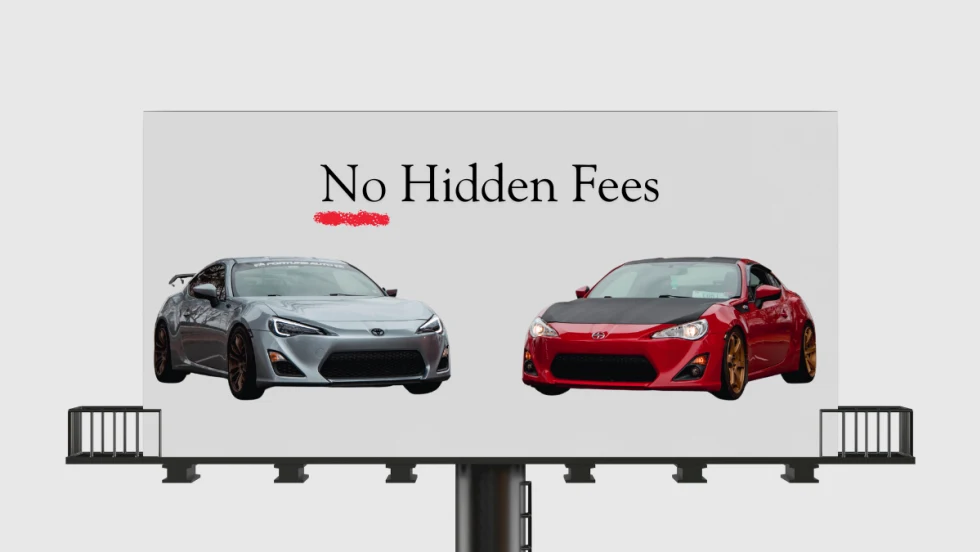
Dealer Ads and the FTC
The agency has made it clear in recent enforcement actions and warnings, in auto retail and other industries, that advertised prices must include all nonoptional costs to the consumer.
Read More →
Used Autos Supply Dwindles
The March shopping surge, despite high prices, cut into inventory by the most since the thick of the pandemic, Cox Automotive analysts calculated.
Read More →