



Regulators Appear to Endorse Alternative Credit Scoring
A joint statement from the nation’s biggest banking regulators expressed cautious optimism toward emerging decisioning models that could generate more auto loans.

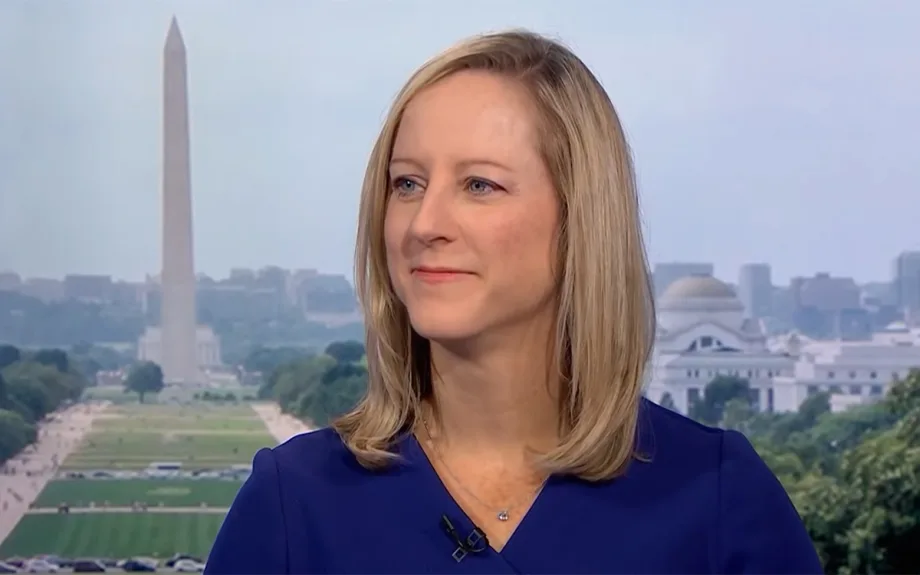
Kathy Kraninger is director of the Consumer Financial Protection Bureau, which joined four other federal banking regulators in offering a largely positive opinion of alternative credit data in a joint statement this week.
WASHINGTON — The Consumer Financial Protection Bureau and four other federal regulatory agencies released a joint statement offering tempered support for the use of alternative data in credit decisioning processes, including applications for auto loans.
Alternative credit data focuses less on credit history and more on cash flow, measuring activity relating to “nonfinancial” information such as bill and rental payments and bank account balance history. The use of alternative data in “second look” platforms for applicants who fail to qualify under traditional scoring models has grown over the past decade as creditors have sought new ways to reach more borrowers.
Read: Auto Loans and Leases Up 1% in Q3
The CFPB was joined as a signatory by the Board of Governors of the Federal Reserve System, the Federal Deposit Insurance Corp., the Office of the Comptroller of the Currency, and the National Credit Union Administration.
“Using alternative data may enable consumers to obtain additional products and/or more favorable pricing/terms based on enhanced assessments of repayment capacity,” the statement reads, in part. “These innovations reflect the continuing evolution of automated underwriting and credit score modeling, offering the potential to lower the cost of credit and increase access to credit.”
The alternative model generated 27% more approvals and reduced annual percentage rates by an average of 16%.
The statement follows the August release of a CFPB-commissioned study, undertaken in partnership with Upstart Network, an alternative scoring technology provider, that set out to compare decisioning results from traditional and alternative models.
Analysts found the alternative model generated 27% more approvals and reduced annual percentage rates by an average of 16%; no bias toward any race, ethnicity, or gender was detected.
However, “As with prior developments in the evolution of credit underwriting, including the advent of credit scoring, the use of alternative data and analytical methods also raises questions regarding how to effectively leverage new technological developments that are consistent with applicable consumer protection laws,” the regulators noted, listing unfair, deceptive, or abusive acts or practices standards and the Fair Credit Reporting Act as examples.
Originally posted on F&I and Showroom
More Dealer Ops

How to Avoid Phone Scams | Dealer Debrief 09/10/2026
Are you taking the necessary steps to protect your dealership and customer data from phone-based scams? This week's Dealer Debrief breaks down how!
Read More →
Dealer Debrief: August Auto Sales
Gas-powered engines still dominate the U.S. vehicle market, but hybrids are gaining ground as consumers look for ways to cut their gas costs.
Read More →
Dealership Profits Decline
While new and used retail sales stagnated, dealerships have been particularly supported by fixed operations and finance-and-insurance profits, according to a new report.
Read More →
Dealer Debrief: Defection Data & EV Updates
In this week's debrief, host Lauren Lawrence discusses how to use defection data to your advantage and the latest on EV sales and charging infrastructure.
Read More →
How Defection Data is Bridging the Dealership Conversion Gap
Lead volume is flat, cross-shopping is up and brand loyalty is in retreat. As confident sales teams keep losing buyers they thought they had, daily industry sales data is showing dealers exactly where their funnel is breaking and how to fix it without buying a single new lead.
Read More →
Dealer Debrief: Where are you losing customers?
In this week's debrief, host Lauren Lawrence discusses the hidden leaks in dealerships where you might be losing customers without even realizing it.
Read More →
Dealer Debrief: Improving Your Inventory Management
In this week's debrief, host Lauren Lawrence covers a new survey that shows what service technicians really want and two launches that could help improve your inventory and vehicle life cycle management.
Read More →
Ladies and Gentlemen, This Is a Dealership: Why the Fundamentals Still Decide Who Wins
A teaching moment by a legendary football coach happens to apply perfectly in the auto retail space. Learn what it is and how to use it to your store’s advantage.
Read More →
Dealer Ads and the FTC
The agency has made it clear in recent enforcement actions and warnings, in auto retail and other industries, that advertised prices must include all nonoptional costs to the consumer.
Read More →
Used Autos Supply Dwindles
The March shopping surge, despite high prices, cut into inventory by the most since the thick of the pandemic, Cox Automotive analysts calculated.
Read More →