



We Have Been Trained, But Did We Learn Anything?
Jeff Smelley - In actuality, two to four performance enhancing ideas should be considered a very successful investment in training ...

You, not the trainer, have the most impact over the effectiveness of your staff’s training experience. You can improve the likelihood of positive training results by becoming more involved with your staff and their training. First, let’s look at what we expect from training. When we send someone to training, we generally expect them to bring back significant information which they will use in their daily job. How do we know training translates into learning that will achieve the desired end result? The answer is often, “We wait and see.” In order to better understand how to enhance the training experience, let’s look at why training fails.
Management may hold unreasonable expectations for either the training session or the employee. An example would be expecting a training seminar to transform an employee into a self-motivated dynamo. Most people bring back between two and four ideas or techniques which they can actually use in their daily job. In actuality, two to four performance enhancing ideas should be considered a very successful investment in training. A significant impediment to training success is the average person’s inability to assimilate these ideas and techniques into their work routine.

These employees are often expected to implement these techniques themselves, but find little time for change once they return to work and are consumed by their old habits. They may not even try to utilize the new ideas because they are overwhelmed by their current work load. These realities can be overcome and it is management’s responsibility to overcome them.
Management may fail to communicate their expectations. Enhancing your training investment requires that you be involved. Know what to expect from training. Knowing the information covered and what you want your people to bring back with them is the first step. If you don’t know what the training is going to cover, why are you spending the money to send them? Next, communicate your expectations to your employee. If it’s sales training, let them know you want them to improve their communication skills, negotiation skills or closing skills. Your people can then zero in on the information you want them to understand because they know your reasons for the training as well as your expectations.
Management may fail to follow up with personnel after training to assist in applying the new information. This can be accomplished by debriefing each person individually or as a group after attending training. Debriefing is a time to learn what they learned, ask them how they intend to use this information to improve performance or suggest ways in which they might apply their new knowledge. During this time, plan with them a method of implementation of their new knowledge and discuss the anticipated results. How will these results be apparent? How will they benefit from applying their new found knowledge? Let them know that while work must go on, the time and effort required to create better work practices will yield results that you can measure.
Follow up at regular intervals to see how each new idea is working out. Is it part of their regular routine now? If not, why not? This follow-up is essential to helping each person reach their new potential and maximize your return on training.
The success or failure of training depends on the leadership of management and their commitment. While this article is directed to outside training it also applies to in-house training programs. Management’s time and effort in the training process is invaluable. Let your people know that their professional development through training and follow-up is worth the effort and you will see a better return from your dollars spent.
Vol 2, Issue 12
More Training
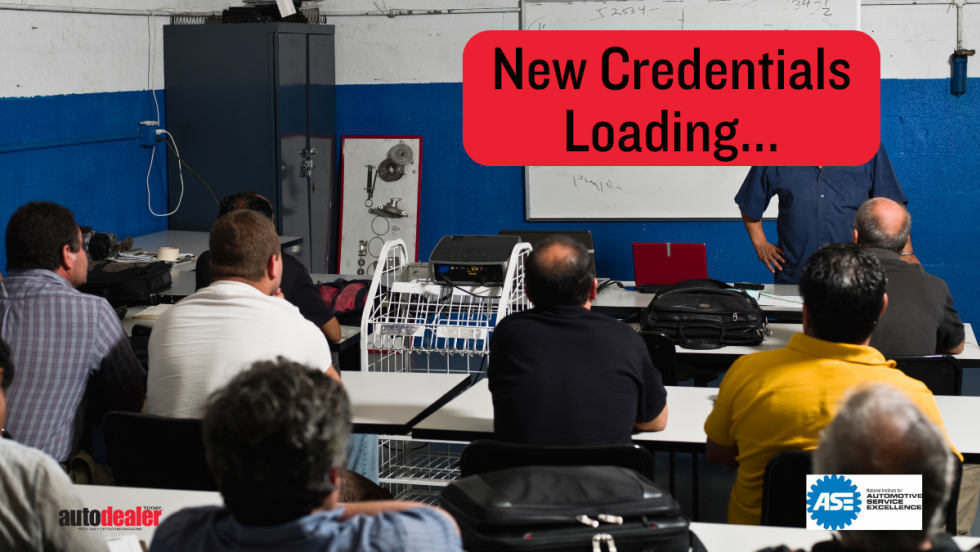
ASE Developing ADAS Calibration Credential
The National Institute of Automotive Excellence said its intent with the new technician program is to prioritize practical application and operational understanding over deep electrical diagnostics.
Read More →
Apply by March 31 for Automotive Scholarships
UAF is accepting applications for more than $900,000 in automotive and heavy-duty scholarships for the 2026-27 school year.
Read More →
Combatting the Technician Shortage
RockED and TruVideo have launched a free video inspection certification for automotive schools.
Read More →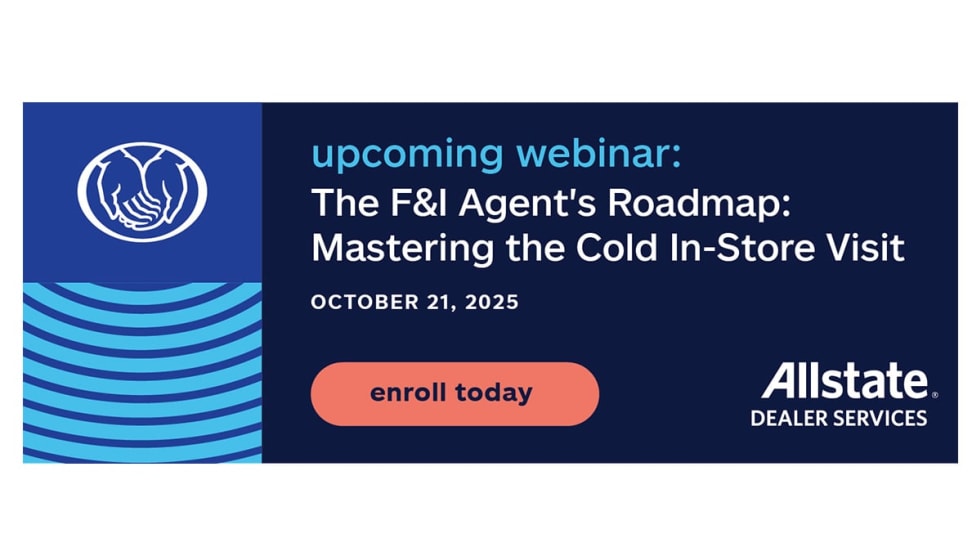
The F&I Agent's Roadmap: Mastering the Cold In-Store Visit
Register for Allstate's FREE webinar on Oct. 21
Read More →
APCO Holdings Acquires DealerPRO Training
The addition expands company's footprint in fixed ops training
Read More →
Auto Dealership Training Program Expands
Protective Asset Protection offering is AI-driven.
Read More →
ASE Offers Free Vehicle-Fluids Webinar
Class will share updates on lubricant and filtration technologies in newer models.
Read More →
New ADAS Certification Announced
ASE training is intended to help service departments, shops optimize repair opportunities, customer confidence.
Read More →
ASE Offers Free Testing Webinar in Spanish
The class will give an overview of ASE testing in Spanish, including current tests, test development and test-preparation tools.
Read More →
F&I Conviction
It is not important that the client understands us – it is critical that they know we understand them!
Read More →