



Shift Your Service Brand to Drive Customer Loyalty
Marketing expert offers a three-point plan for capturing and engaging service-bound customers in today’s highly competitive environment.


Demonstrating your dedication to service is key to driving fixed ops revenue and profitability. Photo by aytuguluturk via Pixabay
Creating share of mind with customers today is increasingly challenging, especially for auto dealers. There are new paths to purchase, independent competitive threats, and an ongoing pricing war to grab consumers’ attention. Building loyalty and awareness for a dealership under these conditions has to go beyond just car sales and leasing. To create brand affinity and return customers, dealers need to focus their marketing spend and efforts on service and sales.
Today, dealers invest only 3% percent of their marketing budget on the service-bound customer, according to the National Automobile Dealers Association, giving more leeway to independent service providers to intercept. However, a smart digital presence — now table stakes for any dealer — can directly impact this opportunity and drive business and affinity through a few simple but important steps.
To reach service-bound customers today, we know dealers must cover three things: confidence, cost, and convenience. Outside of the numbers game, there is a lot that can be done. The following are three ways dealers can capture and engage customers through an optimized digital presence:
1. Show Dealer Value: Dealers need to demonstrate the true value of servicing via a dealership over an independent. In a business listing, this should include details on specialized training, customer reviews, costs, the importance of genuine parts, and background on experienced brand technicians. Your service menu is the start to an organic marketing strategy that should be a focus for your service department and a priority for the dealership.
2. Make it Easy: Online access to service and understanding the ways to engage with your business outside of a phone call are essential. Make sure amenities like door-to-door service, rentals, walk-in availability and costs are easily accessible. In addition, when thinking about Google search and content, dealers need to anticipate the customers’ most important needs and what they might search for so you can provide those answers before they ask.
3. Use New Tools to Shift to High Gear: The digital ecosystem is full of tools to help you make the most of your online presence. One way to optimize your service is via your dealership’s “Google Knowledge Graph.” This should be considered your digital business card. It is your first impression for shoppers, and it’s where they’ll find your name, phone number, photos, directions, times you are open and times you may be busy. Optimizing this presence can have a direct impact on your bottom line.
CDK Global recently conducted a study where the Google My Business listing for 1,200 SEO clients was updated to simply include a link to the service menu. The addition of this link to the GMB listing provided shoppers with a new way to get information, and they are clicking through. In a three-month test period, overall service menu organic traffic increased 225%, an average increase of six organic visitors to the service menu for each dealer over this period.
These three steps can be the frontline of a marketing strategy that can drive your service brand — not only for one-time appointments but for building affinity and customers for future engagement and sales.
Colleen Harris is an earned marketing lead analyst at CDK Global, and has more than 13 years of digital marketing experience in the automotive, healthcare, and entertainment industries.
More Dealer Ops
How to Avoid Phone Scams | Dealer Debrief 09/10/2026
Are you taking the necessary steps to protect your dealership and customer data from phone-based scams? This week's Dealer Debrief breaks down how!
Read More →
Dealer Debrief: August Auto Sales
Gas-powered engines still dominate the U.S. vehicle market, but hybrids are gaining ground as consumers look for ways to cut their gas costs.
Read More →
Dealership Profits Decline
While new and used retail sales stagnated, dealerships have been particularly supported by fixed operations and finance-and-insurance profits, according to a new report.
Read More →
Dealer Debrief: Defection Data & EV Updates
In this week's debrief, host Lauren Lawrence discusses how to use defection data to your advantage and the latest on EV sales and charging infrastructure.
Read More →
How Defection Data is Bridging the Dealership Conversion Gap
Lead volume is flat, cross-shopping is up and brand loyalty is in retreat. As confident sales teams keep losing buyers they thought they had, daily industry sales data is showing dealers exactly where their funnel is breaking and how to fix it without buying a single new lead.
Read More →
Dealer Debrief: Where are you losing customers?
In this week's debrief, host Lauren Lawrence discusses the hidden leaks in dealerships where you might be losing customers without even realizing it.
Read More →
Dealer Debrief: Improving Your Inventory Management
In this week's debrief, host Lauren Lawrence covers a new survey that shows what service technicians really want and two launches that could help improve your inventory and vehicle life cycle management.
Read More →
Ladies and Gentlemen, This Is a Dealership: Why the Fundamentals Still Decide Who Wins
A teaching moment by a legendary football coach happens to apply perfectly in the auto retail space. Learn what it is and how to use it to your store’s advantage.
Read More →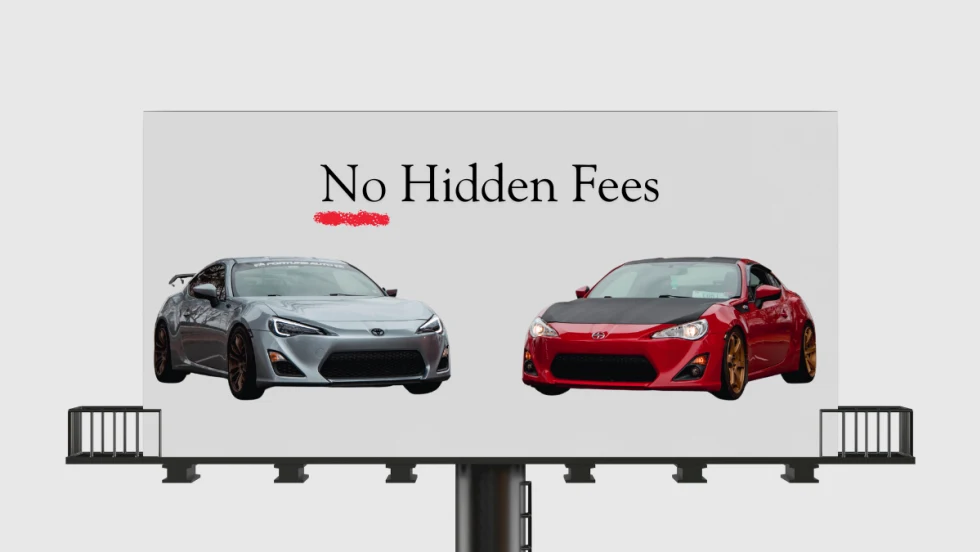
Dealer Ads and the FTC
The agency has made it clear in recent enforcement actions and warnings, in auto retail and other industries, that advertised prices must include all nonoptional costs to the consumer.
Read More →
Used Autos Supply Dwindles
The March shopping surge, despite high prices, cut into inventory by the most since the thick of the pandemic, Cox Automotive analysts calculated.
Read More →