



AAA: EV Awareness Gap Slows US Adoption
Despite a proliferation of new models, a survey of U.S. consumers finds only 40% believe most vehicles will be electric 10 years from now, a result AAA analysts say reveals a ‘lack of knowledge’ in how EVs perform in day-to-day driving conditions.

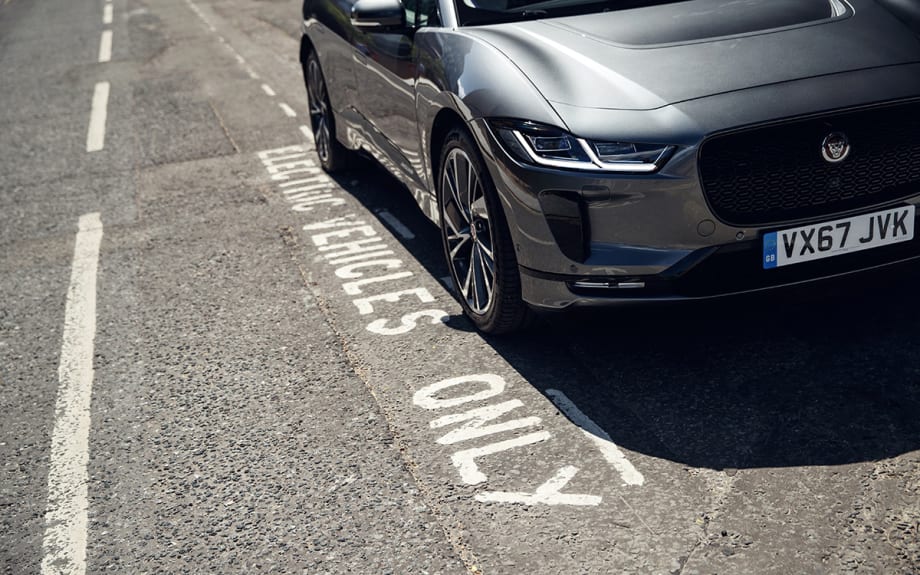
AAA’s latest survey reveals the average U.S. consumer is more likely to believe most new vehicles will be autonomous than electric by 2029.
Photo courtesy Jaguar Land Rover
ORLANDO, Fla. — AAA’s latest survey reveals that despite many Americans having interest in electric vehicles, when asked if most vehicles will be electric by 2029, only four in 10 said yes. Yet a separate study AAA conducted earlier this year found that more than half of Americans believe that in this same timeframe, most cars will have the ability to drive themselves — a reality that is much less likely to happen.
AAA analysts concluded that, similar to other emerging technologies, a lack of knowledge and experience may be contributing to the slow adoption of electric vehicles despite Americans’ desire to go green.
“Today, more than 200,000 electric cars can be found on roads across the country as almost every manufacturer sells them,” said Greg Brannon, AAA’s director of automotive engineering and industry relations. “But, like other new vehicle technologies, Americans don’t have the full story, and that could be causing the gap between interest and action.”
AAA’s annual survey that tracks opinions regarding electric and hybrid vehicles found that while consumer interest remains steady, Americans may not have a solid understanding of electric vehicle performance, which may be giving consumers pause when it comes to considering electric for their next purchase.
For instance, electric vehicles, unlike those running on gas, do better in stop-and-go traffic because the car can recapture energy to charge the battery when decelerating. However, AAA’s survey found that a majority of Americans (59%) were unsure of whether electric vehicles have better range when driving at highway or city speeds. This demonstrates that many consumers are not sure what to expect from an electric vehicle in two of the most common driving scenarios.
Although most Americans don’t believe electric vehicles will be on the road in masses in the next 10 years, AAA did find that 40 million Americans say they would be likely to consider an electric vehicle for their next car purchase, with millennials leading the pack.
Concern for the environment and lower long-term costs remain the leading reasons to go green (74% and 56%, respectively). Previous objections to buying electric with regard to price and range anxiety continue to ease and have trended downward significantly:
Concern that there are not enough places to charge: down 11% from 2017
Concern about running out of charge when driving: down 11% from 2017
Higher cost of battery repair or replacement: down 8% from 2017
Higher purchase price: down 6% from 2017
“These vehicles are a big part of the future of transportation, since self-driving cars, when they do arrive, will likely be electric,” Brannon said. “The difference, of course, is that electric vehicles are already here and with the advancements in style and range that have been made over the last few years, they have become an even more viable option for many Americans.”
More Dealer Ops

How to Avoid Phone Scams | Dealer Debrief 09/10/2026
Are you taking the necessary steps to protect your dealership and customer data from phone-based scams? This week's Dealer Debrief breaks down how!
Read More →
Dealer Debrief: August Auto Sales
Gas-powered engines still dominate the U.S. vehicle market, but hybrids are gaining ground as consumers look for ways to cut their gas costs.
Read More →
Dealership Profits Decline
While new and used retail sales stagnated, dealerships have been particularly supported by fixed operations and finance-and-insurance profits, according to a new report.
Read More →
Dealer Debrief: Defection Data & EV Updates
In this week's debrief, host Lauren Lawrence discusses how to use defection data to your advantage and the latest on EV sales and charging infrastructure.
Read More →
How Defection Data is Bridging the Dealership Conversion Gap
Lead volume is flat, cross-shopping is up and brand loyalty is in retreat. As confident sales teams keep losing buyers they thought they had, daily industry sales data is showing dealers exactly where their funnel is breaking and how to fix it without buying a single new lead.
Read More →
Dealer Debrief: Where are you losing customers?
In this week's debrief, host Lauren Lawrence discusses the hidden leaks in dealerships where you might be losing customers without even realizing it.
Read More →
Dealer Debrief: Improving Your Inventory Management
In this week's debrief, host Lauren Lawrence covers a new survey that shows what service technicians really want and two launches that could help improve your inventory and vehicle life cycle management.
Read More →
Ladies and Gentlemen, This Is a Dealership: Why the Fundamentals Still Decide Who Wins
A teaching moment by a legendary football coach happens to apply perfectly in the auto retail space. Learn what it is and how to use it to your store’s advantage.
Read More →
Dealer Ads and the FTC
The agency has made it clear in recent enforcement actions and warnings, in auto retail and other industries, that advertised prices must include all nonoptional costs to the consumer.
Read More →
Used Autos Supply Dwindles
The March shopping surge, despite high prices, cut into inventory by the most since the thick of the pandemic, Cox Automotive analysts calculated.
Read More →