



Dealertrack Set to Unveil New Utah Office
Dealertrack DMS’s new headquarters will house more than 500 employees in a 112,000-square-foot building in the ‘Silicon Slopes’ area of Northern Utah.
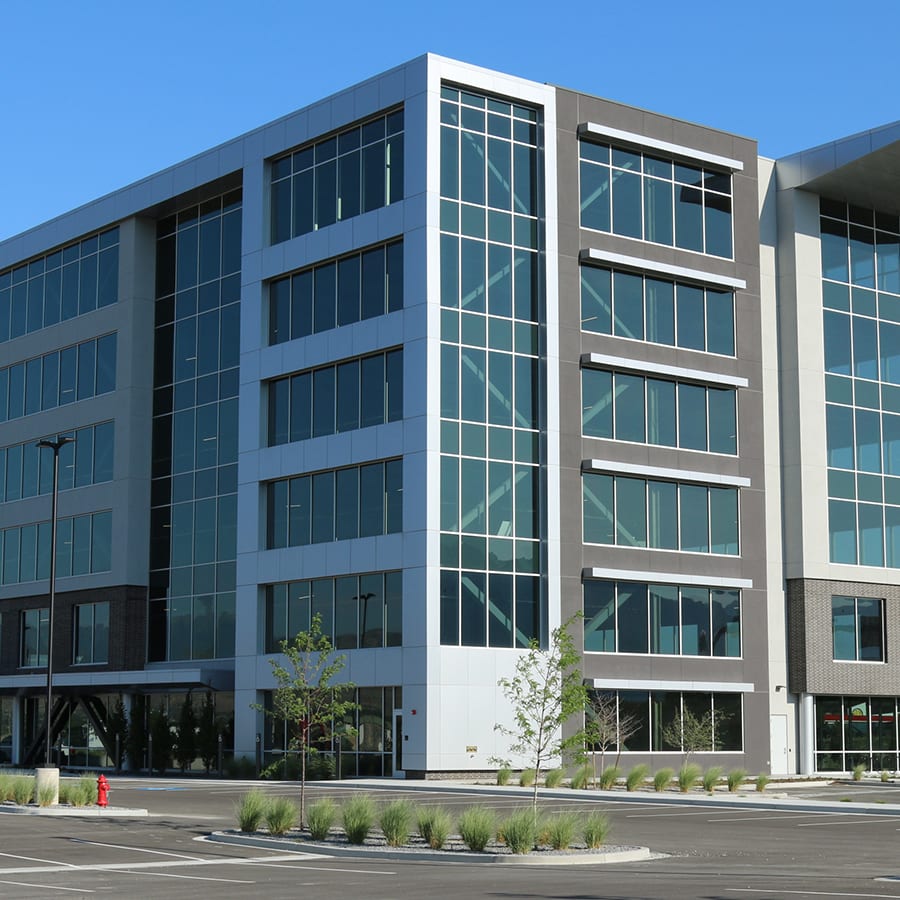
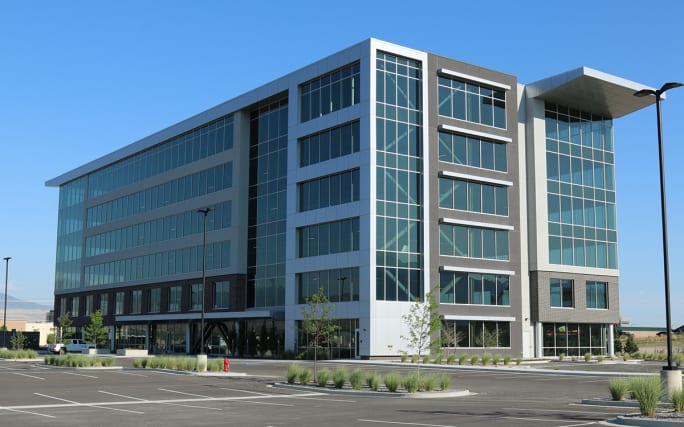
Dealertrack’s new Draper, Utah, office space will house more than 500 employees in a 112,000-square-foot building. Photo courtesy Dealertrack
DRAPER, Utah — Dealertrack (div. Cox Automotive) announced the impending unveiling of a new office space supporting Dealertrack DMS based in Draper, Utah. The 112,000-square-foot facility will be home to over 500 team members with capacity to continue growing. Team members will begin occupying the building in early February 2019.
“We’ve been closely tracking Utah’s growth as a burgeoning technology hub, and our new office move is another milestone in our commitment to innovation within our state,” said Randy Kobat, senior vice president of Cox Automotive brands vAuto, HomeNet, Rebates & Incentives, and Dealertrack DMS. “As our growth continues, we wanted to expand our reach to better serve our clients and attract new employees. This new, state-of-the-art facility will also help the local economy, as we strive to give back to the ‘Silicon Slopes.’”
Executives said the building’s leading-edge infrastructure and first-rate amenities demonstrate Dealertrack’s commitment to attracting and retaining top talent in the state of Utah. New building features include dedicated meditation rooms, an onsite gym, open collaboration spaces, game rooms with gaming systems on each floor, electric vehicle charging stations, and state-of-the-art technology throughout the facility.
The new Dealertrack DMS facility will also host some additional teams from Cox Automotive’s fellow brands, including Xtime, a fixed ops software solution.
Originally posted on F&I and Showroom
More Dealer Ops

Dealership Profits Decline
While new and used retail sales stagnated, dealerships have been particularly supported by fixed operations and finance-and-insurance profits, according to a new report.
Read More →
Dealer Debrief: Defection Data & EV Updates
In this week's debrief, host Lauren Lawrence discusses how to use defection data to your advantage and the latest on EV sales and charging infrastructure.
Read More →
How Defection Data is Bridging the Dealership Conversion Gap
Lead volume is flat, cross-shopping is up and brand loyalty is in retreat. As confident sales teams keep losing buyers they thought they had, daily industry sales data is showing dealers exactly where their funnel is breaking and how to fix it without buying a single new lead.
Read More →
Dealer Debrief: Where are you losing customers?
In this week's debrief, host Lauren Lawrence discusses the hidden leaks in dealerships where you might be losing customers without even realizing it.
Read More →
Dealer Debrief: Improving Your Inventory Management
In this week's debrief, host Lauren Lawrence covers a new survey that shows what service technicians really want and two launches that could help improve your inventory and vehicle life cycle management.
Read More →
Ladies and Gentlemen, This Is a Dealership: Why the Fundamentals Still Decide Who Wins
A teaching moment by a legendary football coach happens to apply perfectly in the auto retail space. Learn what it is and how to use it to your store’s advantage.
Read More →
What Market Timing Mistakes Mean for Your Reinsurance Program
When volatility hits, dealer-owned reinsurance programs face a familiar temptation: pull back and wait for calmer waters. New data from BOK Financial shows why that instinct can quietly cost you years of surplus growth.
Read More →
Dealer Ads and the FTC
The agency has made it clear in recent enforcement actions and warnings, in auto retail and other industries, that advertised prices must include all nonoptional costs to the consumer.
Read More →
Used Autos Supply Dwindles
The March shopping surge, despite high prices, cut into inventory by the most since the thick of the pandemic, Cox Automotive analysts calculated.
Read More →
Managing Risk Effectively Through Changing Times
The variables influencing risk pricing have changed significantly over the past five years. Being proactive and responsive to emerging trends is not optional but essential.
Read More →