



How Dealers Can Influence EV Sales
Dealers can boost electric vehicle sales when they take an educational stance with consumers.

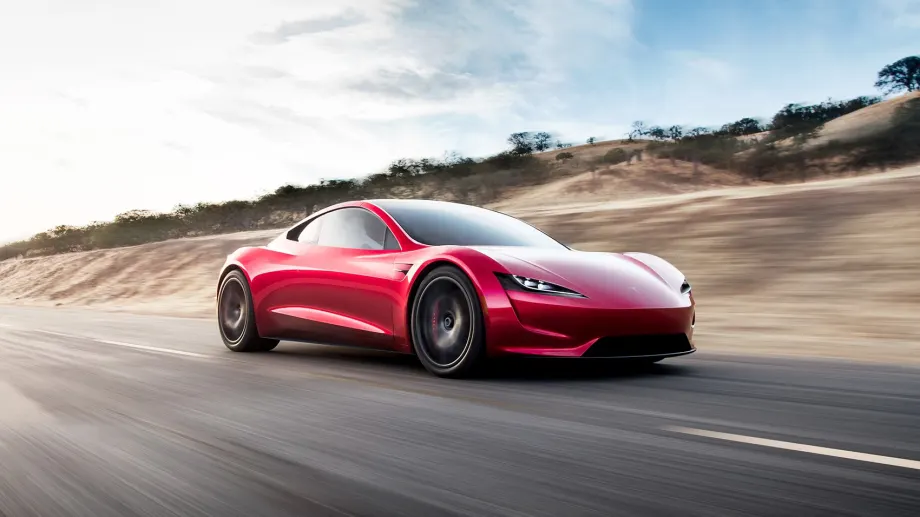
Tesla
Consumer surveys show dealerships play a major role in encouraging electric vehicle sales.
“Dealers have more influence than they think in EV purchase decisions. Dealers can take a lead role in educating consumers about EVs,” says Stephanie Valdez Streaty, Cox Automotive’s director-mobility and R&D, citing her company’s consumer surveys.
Education can include discussions on caring for EVs, battery systems that propel them, charging infrastructure and government tax incentives, according to Streaty.
Environmental advocates maintain dealers downplay EVs to steer customers toward vehicles powered by internal combustion (ICE) engines. The National Automobile Dealers Association (NADA) reports that is untrue. The trade group says dealers will sell any vehicle type to customers and that customer preference guides which vehicle they ultimately sell.
Cox research shows that NADA’s assertion is true, as EVs pivot more from a niche to a mainstream market.
In consumer surveys, “dealers’ knowledge of electrified vehicles (including hybrids) rated high,” Streaty said during an online presentation for the American International Automobile Dealers Association.
Dealerships that took part in the survey say they have invested in EV sales training with targeted messages. Still, Streaty says, helping consumers find all available incentives “is a big opportunity for dealers” and putting EV-specific information on dealer websites also presents an opportunity.
Consumer interest in EVs is growing and automakers, she says, are placing “big bets” on electrified vehicles, referencing $400 billion in commitments to R&D and production to support her claim.
Battery-electric vehicles and hybrids account for 9% of U.S. auto sales. Cox predicts this figure will rise to 35% by 2030.
Consumers, however, remain on the fence. A 2020 consumer survey found customers worry about EV driving range, limited access to charging stations, and high prices when compared to ICE vehicles.
But the charging infrastructure is growing, and more companies are entering the charging business. Streaty says. “There are now 127,000 charging ports and 48,000 charging stations in the U.S.” Range is also less of a worry than in the past. The estimated average EV range was 184 miles in 2019. Today, it’s 272 miles “and growing at a fast rate” as battery technology advances, she says.
People interested in buying an EV also are demographically different from before, according to survey data from Cox Automotive.
When EVs first came on the scene, data showed early adopters skewed toward older white men of means who owned multiple vehicles. Now, people with EVs on their shopping lists are 50% female, 40% nonwhite and 58% Generation Y and Z.
More Dealer Ops
How to Avoid Phone Scams | Dealer Debrief 09/10/2026
Are you taking the necessary steps to protect your dealership and customer data from phone-based scams? This week's Dealer Debrief breaks down how!
Read More →
Dealer Debrief: August Auto Sales
Gas-powered engines still dominate the U.S. vehicle market, but hybrids are gaining ground as consumers look for ways to cut their gas costs.
Read More →
Dealership Profits Decline
While new and used retail sales stagnated, dealerships have been particularly supported by fixed operations and finance-and-insurance profits, according to a new report.
Read More →
Dealer Debrief: Defection Data & EV Updates
In this week's debrief, host Lauren Lawrence discusses how to use defection data to your advantage and the latest on EV sales and charging infrastructure.
Read More →
How Defection Data is Bridging the Dealership Conversion Gap
Lead volume is flat, cross-shopping is up and brand loyalty is in retreat. As confident sales teams keep losing buyers they thought they had, daily industry sales data is showing dealers exactly where their funnel is breaking and how to fix it without buying a single new lead.
Read More →
Dealer Debrief: Where are you losing customers?
In this week's debrief, host Lauren Lawrence discusses the hidden leaks in dealerships where you might be losing customers without even realizing it.
Read More →
Dealer Debrief: Improving Your Inventory Management
In this week's debrief, host Lauren Lawrence covers a new survey that shows what service technicians really want and two launches that could help improve your inventory and vehicle life cycle management.
Read More →
Ladies and Gentlemen, This Is a Dealership: Why the Fundamentals Still Decide Who Wins
A teaching moment by a legendary football coach happens to apply perfectly in the auto retail space. Learn what it is and how to use it to your store’s advantage.
Read More →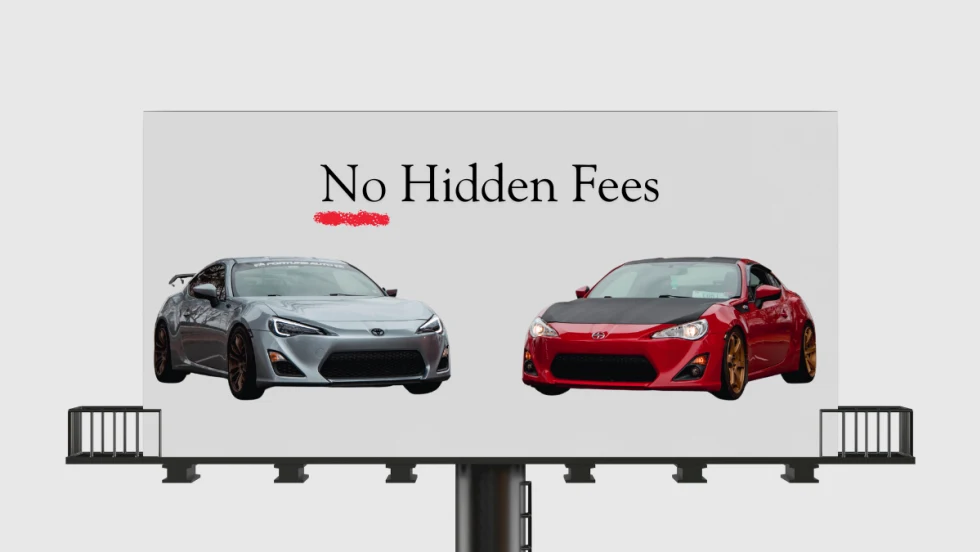
Dealer Ads and the FTC
The agency has made it clear in recent enforcement actions and warnings, in auto retail and other industries, that advertised prices must include all nonoptional costs to the consumer.
Read More →
Used Autos Supply Dwindles
The March shopping surge, despite high prices, cut into inventory by the most since the thick of the pandemic, Cox Automotive analysts calculated.
Read More →