



Modern Collectibles: Discontinued Values Vary Wildly
A new report from Black Book uncovers the reasons behind recent product cancelations and shows that no two discontinued models depreciate alike.
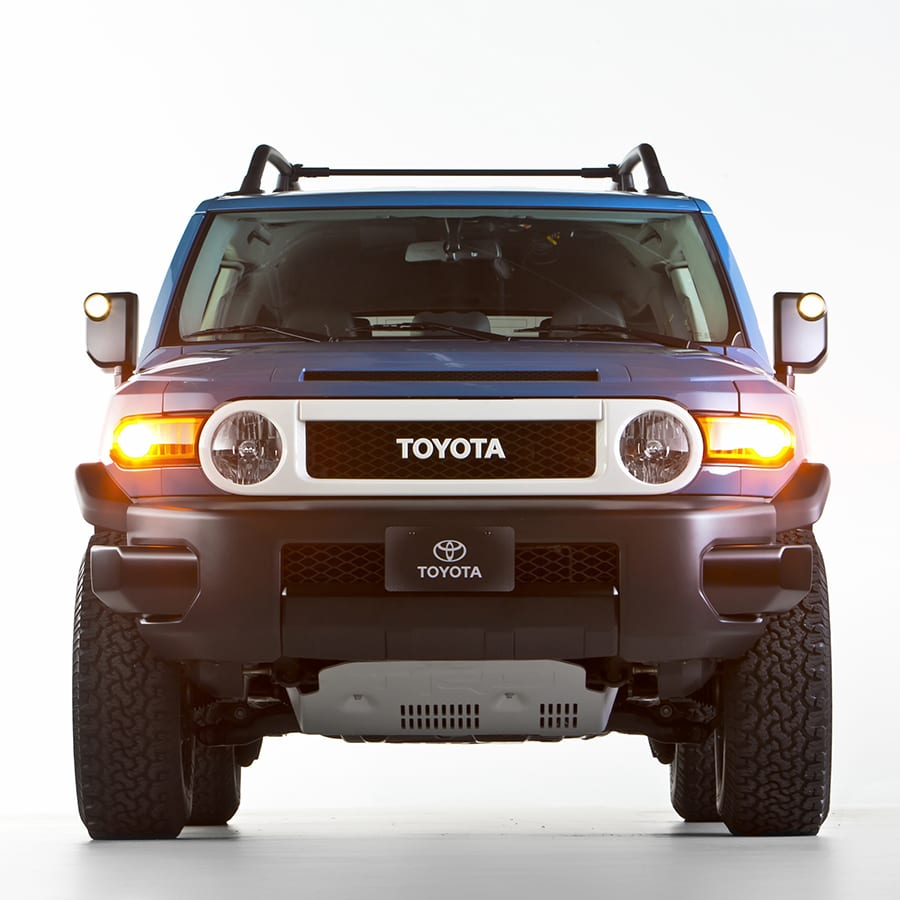
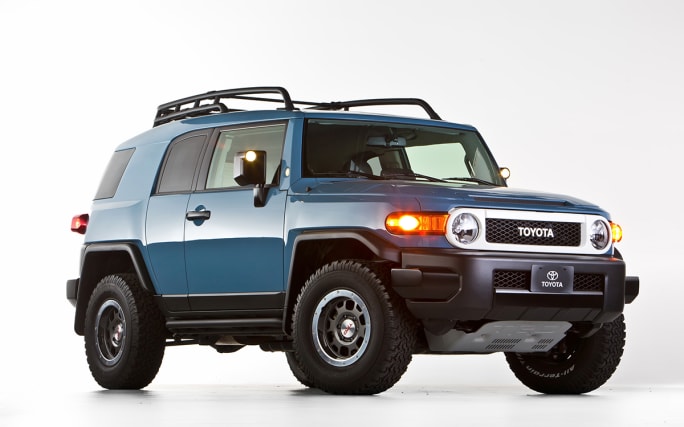
The Toyota FJ Cruiser has enjoyed sustained popularity since wrapping production in 2014-MY, increasing in value by more than 25% compared with other vehicles in its segment, according to a new report from Black Book. Photo courtesy Toyota Motor Sales USA Inc.
LAWRENCEVILLE, Ga. — Black Book (div. Hearst) released a new analytics-driven report that looks at why certain vehicle models were discontinued over the last several years and how they’ve retained their values.
Analysts noted that some car and truck models, despite their popularity, are discontinued simply because manufacturers move production strategies in a new direction. Such models appear to retain their values better than their segment average, while others see retention values plummet. Black Book conducted an analysis that includes a mix of small and midsize cars, trucks, SUVs, and minivans. Their discontinuation dates vary over the last few decades, and the reasons for their discontinuation are as diverse as the vehicles themselves.
As an example of this analysis, Black Book data shows that the Toyota FJ Cruiser, whose last model-year was 2014, has actually gone up in value by 25.7% compared to other vehicles that were listed in its segment. The Hummer H2 is second-best in retention at 18.5%.
The FJ Cruiser was acclaimed for its off-road performance and known for its quirky combination of a wide stance and short wheelbase. In 2014, the FJ Cruiser’s last model-year of production, it sold only about 14,000 units. Given the uniqueness of this vehicle and the relative high demand from enthusiasts, it became a modern collectible. The change in three-year retention for FJ Cruisers was a whopping 26 percentage points better than the average for the midsize SUV/CUV segment.
Conversely, the Mazda MPV minivan, last produced in 2006, has lost 15.8% of its value compared to other vehicles in its segment, and the Mercury Milan has lost 9.5% compared to others in its segment since it was discontinued in 2011.
To view the complete analysis, click here.
Originally posted on F&I and Showroom
More Dealer Ops

Dealership Profits Decline
While new and used retail sales stagnated, dealerships have been particularly supported by fixed operations and finance-and-insurance profits, according to a new report.
Read More →
Dealer Debrief: Defection Data & EV Updates
In this week's debrief, host Lauren Lawrence discusses how to use defection data to your advantage and the latest on EV sales and charging infrastructure.
Read More →
How Defection Data is Bridging the Dealership Conversion Gap
Lead volume is flat, cross-shopping is up and brand loyalty is in retreat. As confident sales teams keep losing buyers they thought they had, daily industry sales data is showing dealers exactly where their funnel is breaking and how to fix it without buying a single new lead.
Read More →
Dealer Debrief: Where are you losing customers?
In this week's debrief, host Lauren Lawrence discusses the hidden leaks in dealerships where you might be losing customers without even realizing it.
Read More →
Dealer Debrief: Improving Your Inventory Management
In this week's debrief, host Lauren Lawrence covers a new survey that shows what service technicians really want and two launches that could help improve your inventory and vehicle life cycle management.
Read More →
Ladies and Gentlemen, This Is a Dealership: Why the Fundamentals Still Decide Who Wins
A teaching moment by a legendary football coach happens to apply perfectly in the auto retail space. Learn what it is and how to use it to your store’s advantage.
Read More →
What Market Timing Mistakes Mean for Your Reinsurance Program
When volatility hits, dealer-owned reinsurance programs face a familiar temptation: pull back and wait for calmer waters. New data from BOK Financial shows why that instinct can quietly cost you years of surplus growth.
Read More →
Dealer Ads and the FTC
The agency has made it clear in recent enforcement actions and warnings, in auto retail and other industries, that advertised prices must include all nonoptional costs to the consumer.
Read More →
Used Autos Supply Dwindles
The March shopping surge, despite high prices, cut into inventory by the most since the thick of the pandemic, Cox Automotive analysts calculated.
Read More →
Managing Risk Effectively Through Changing Times
The variables influencing risk pricing have changed significantly over the past five years. Being proactive and responsive to emerging trends is not optional but essential.
Read More →