



Scott Painter Announces Vehicle Subscription Platform NextCar
Focused on enabling subscription to be profitable at scale in response to COVID-19.


Focused on enabling subscription to be profitable at scalein response to COVID-19.
IMAGE: https://www.linkedin.com/in/spainter/
SANTA MONICA, Calif. – Automotive retail innovator (a founder of Fair.com, TrueCar and CarsDirect), Scott Painter, announced a new venture, NextCar Holding Company (NXCR). NXCR was launched in response to COVID-19 and the heightened relevance and expected demand for a Car-as-a-Service (CaaS) mobility model for consumers.
The market opportunity is clear, it’s appealing for consumers, automakers and retailers.
“Vehicle subscription is an antidote to the affordability concerns and economic uncertainty faced by today’s car shopper. It was an attractive value proposition for consumers before the pandemic, as evidenced by over 3.5 million downloads of the Fair app within its first twenty-four months, and it is even more compelling today,” said Scott Painter, founder of NXCR.
Vehicle subscription allows consumers to pay a monthly usage fee for a flexible term (eliminating the long-term commitment of a traditional loan or lease). Subscription services bundle insurance, maintenance and other vehicle operating costs into a single, affordable monthly payment.
“Mobility needs haven’t changed drastically since the pandemic, what has changed is the immediate need for a fully digital, low commitment and affordable mobility option that can be completed entirely on a mobile device,” added Painter. “Vehicle subscription satisfies all of these needs and NextCar is committed to bringing to market a platform for vehicle subscription that enables it to thrive.”
According to a recent Mckinsey study, “The New Realities of Premium Mobility,” 20% of the automotive retail market is forecast to be used for car sharing driven primarily by subscriptions and autonomous taxis by 2025. The exploding Battery Electric Vehicle (BEVs) market and transition to autonomous /connected-cars will lead that transformation. When it comes to BEVs, 50% of consumers surveyed preferred a subscription model over traditional vehicle ownership, according to a January 2020 Capgemini report.
In the U.S there are 18 models and 9 brands currently selling BEVs. With steep OEM investments in BEVs and new brand entrants, over 133 models are expected by 2026 according to an IHS Market forecast of Electric Vehicle sales. BEV manufacturers, including Fisker and Canoo have already indicated that subscription will be either the only or primary billing model.
According to a Cox Automotive Evolution of Mobility study prior to the pandemic, nearly half of consumers felt that owning a vehicle was becoming too expensive. The study noted that as the costs of ownership continue to rise, these pressures are having the biggest impact on Millennials and Gen Z, which will create more opportunity for a shift in preference for mobility alternatives. When you also consider the student debt crisis, and that credit card debt and mortgage debt are on the rise as well, an alternative mobility model that doesn’t rely on debt is necessary for consumers.
“Seven million Americans are behind on their car payments, and that’s prior to the pandemic” continued Painter. “Subscription takes the burden of debt off the shoulders of people seeking affordable mobility options coupled with flexibility. The market opportunity is clear, it’s appealing for consumers, automakers and retailers."
“Vehicle subscriptions are here to stay and I’m committed to building the technology and solutions that can enable scale and profitability.”
Originally posted on F&I and Showroom
More Dealer Ops

How to Avoid Phone Scams | Dealer Debrief 09/10/2026
Are you taking the necessary steps to protect your dealership and customer data from phone-based scams? This week's Dealer Debrief breaks down how!
Read More →
Dealer Debrief: August Auto Sales
Gas-powered engines still dominate the U.S. vehicle market, but hybrids are gaining ground as consumers look for ways to cut their gas costs.
Read More →
Dealership Profits Decline
While new and used retail sales stagnated, dealerships have been particularly supported by fixed operations and finance-and-insurance profits, according to a new report.
Read More →
Dealer Debrief: Defection Data & EV Updates
In this week's debrief, host Lauren Lawrence discusses how to use defection data to your advantage and the latest on EV sales and charging infrastructure.
Read More →
How Defection Data is Bridging the Dealership Conversion Gap
Lead volume is flat, cross-shopping is up and brand loyalty is in retreat. As confident sales teams keep losing buyers they thought they had, daily industry sales data is showing dealers exactly where their funnel is breaking and how to fix it without buying a single new lead.
Read More →
Dealer Debrief: Where are you losing customers?
In this week's debrief, host Lauren Lawrence discusses the hidden leaks in dealerships where you might be losing customers without even realizing it.
Read More →
Dealer Debrief: Improving Your Inventory Management
In this week's debrief, host Lauren Lawrence covers a new survey that shows what service technicians really want and two launches that could help improve your inventory and vehicle life cycle management.
Read More →
Ladies and Gentlemen, This Is a Dealership: Why the Fundamentals Still Decide Who Wins
A teaching moment by a legendary football coach happens to apply perfectly in the auto retail space. Learn what it is and how to use it to your store’s advantage.
Read More →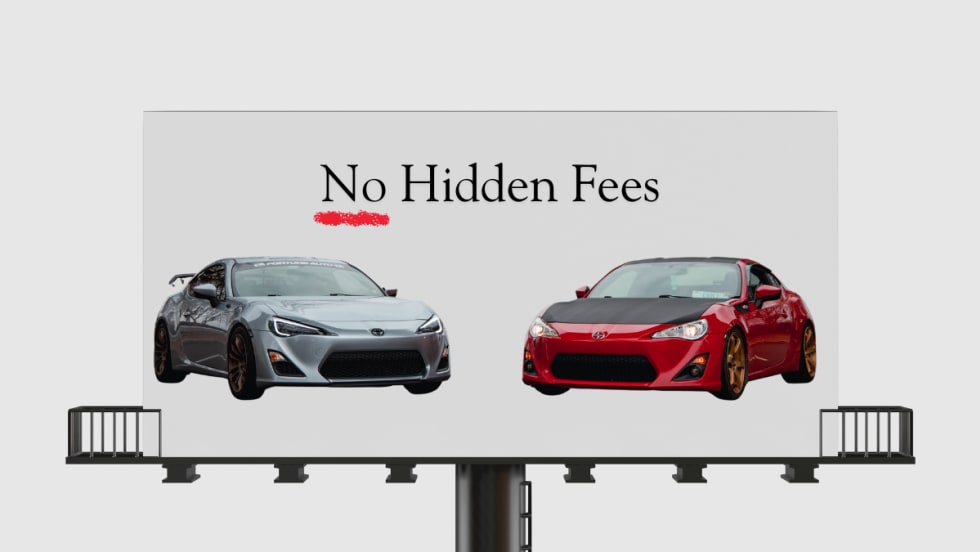
Dealer Ads and the FTC
The agency has made it clear in recent enforcement actions and warnings, in auto retail and other industries, that advertised prices must include all nonoptional costs to the consumer.
Read More →
Used Autos Supply Dwindles
The March shopping surge, despite high prices, cut into inventory by the most since the thick of the pandemic, Cox Automotive analysts calculated.
Read More →