



Study Shows Customer Satisfaction High Despite Low Inventories
J.D. Power reports metrically measured customer satisfaction with their automotive purchases remains at 789 points (on a 1,000-point scale), the same as in 2020.

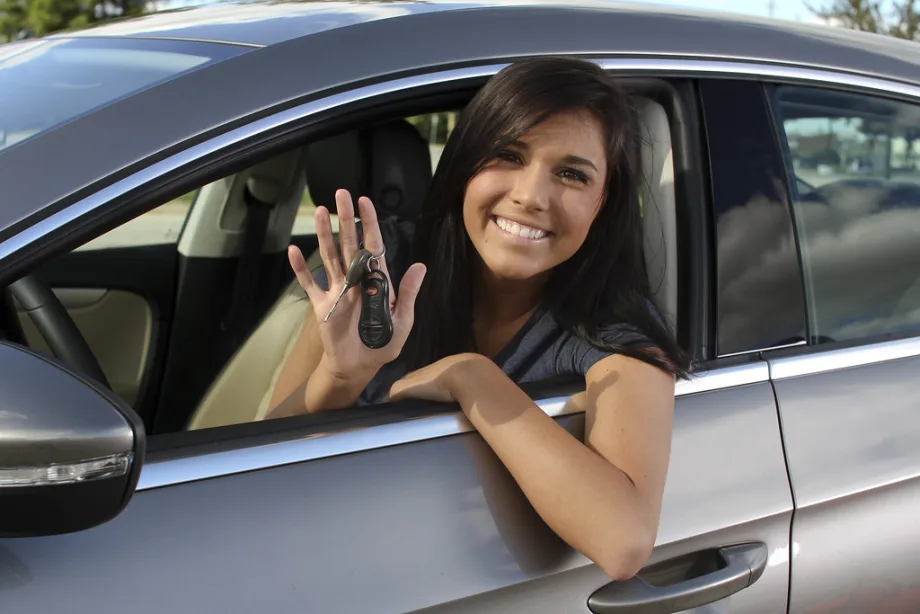
Flickr
Though it’s harder than ever to find a new vehicle due to a nationwide new-car inventory shortage, the J.D. Power 2021 Sales Satisfaction Index Study shows high levels of customer satisfaction among new car buyers.
The study surveyed 35,387 buyers who purchased or leased new vehicles from March through May and found metrically measured customer satisfaction with automotive purchases remains at 789 points (on a 1,000-point scale), the same as in 2020.
Dealer satisfaction increased two points to 841 among the auto retailers where buyers purchased their vehicle. But the study found in no-sale situations, dealer satisfaction declined six points to 632.
J.D. Power says the reason customer satisfaction is holding steady despite the inventory shortage and higher prices is that new-car buyers receive more money for their trade-in than expected.
The study shows the percentage of buyers who received more than they expected for their trade-in increased nine percentage points in the mass market segment and eight percentage points in the premium segment.
In the past, a top customer pain point in the sales journey was a dealer’s trade-in valuation quote.
A global chip shortage has forced automakers to shutter production and build fewer vehicles. Couple that with demand outpacing supply and dealers now wrestle with critical inventory shortages. The manufacturers with the greatest inventory shortages are losing shoppers to competitors, reported J.D. Power.
The percentage of shoppers rejecting a brand because of inventory shortages is highest among domestic truck brands. Genesis saw the highest percentage of rejectors (39%) among all brands because dealerships didn’t have the exact vehicle they wanted.
J.D. Power reports the good news is that 78% of those who reject a dealership due to inventory shortages say they will consider the dealership for future vehicle purchases.
Buyers of new battery-electric vehicles did express less satisfaction with sales experience in the study. The overall buyer satisfaction index was 54 points lower for BEVs (790) than for traditional vehicles with internal-combustion engines (844).
J.D. Power reports this disparity arises from dealership salespeople having more experience and product knowledge with ICE vehicles than BEVs. The study shows that now is the time to ramp up training and knowledge of BEVs and related services, including charging and aftersales requirements.
With an index score of 833, Porsche received an index score of 833, putting it at the top in satisfaction with dealer service among premium brands. Infiniti (825) ranked second, then Lexus (820), Cadillac (814) and Lincoln (813).
GMC ranked highest (812) among mass market brands, followed by Buick (806), Chevrolet (804), Dodge (796) and Nissan (795).
Brands that saw the greatest improvement in satisfaction scores year over year are Jeep (+24), Chevrolet (+17) and Dodge (+17).
The U.S. Sales Satisfaction Index Study has measured satisfaction with the sales experience among new-vehicle buyers and rejecters for 36 years.
The study bases buyer satisfaction on six factors (in order of importance): delivery process, dealer personnel, working out the deal, paperwork completion, dealership facility and dealership website. It bases rejecter satisfaction on five factors: salesperson, price, facility, variety of inventory and negotiation.
More Dealer Ops
How to Avoid Phone Scams | Dealer Debrief 09/10/2026
Are you taking the necessary steps to protect your dealership and customer data from phone-based scams? This week's Dealer Debrief breaks down how!
Read More →
Dealer Debrief: August Auto Sales
Gas-powered engines still dominate the U.S. vehicle market, but hybrids are gaining ground as consumers look for ways to cut their gas costs.
Read More →
Dealership Profits Decline
While new and used retail sales stagnated, dealerships have been particularly supported by fixed operations and finance-and-insurance profits, according to a new report.
Read More →
Dealer Debrief: Defection Data & EV Updates
In this week's debrief, host Lauren Lawrence discusses how to use defection data to your advantage and the latest on EV sales and charging infrastructure.
Read More →
How Defection Data is Bridging the Dealership Conversion Gap
Lead volume is flat, cross-shopping is up and brand loyalty is in retreat. As confident sales teams keep losing buyers they thought they had, daily industry sales data is showing dealers exactly where their funnel is breaking and how to fix it without buying a single new lead.
Read More →
Dealer Debrief: Where are you losing customers?
In this week's debrief, host Lauren Lawrence discusses the hidden leaks in dealerships where you might be losing customers without even realizing it.
Read More →
Dealer Debrief: Improving Your Inventory Management
In this week's debrief, host Lauren Lawrence covers a new survey that shows what service technicians really want and two launches that could help improve your inventory and vehicle life cycle management.
Read More →
Ladies and Gentlemen, This Is a Dealership: Why the Fundamentals Still Decide Who Wins
A teaching moment by a legendary football coach happens to apply perfectly in the auto retail space. Learn what it is and how to use it to your store’s advantage.
Read More →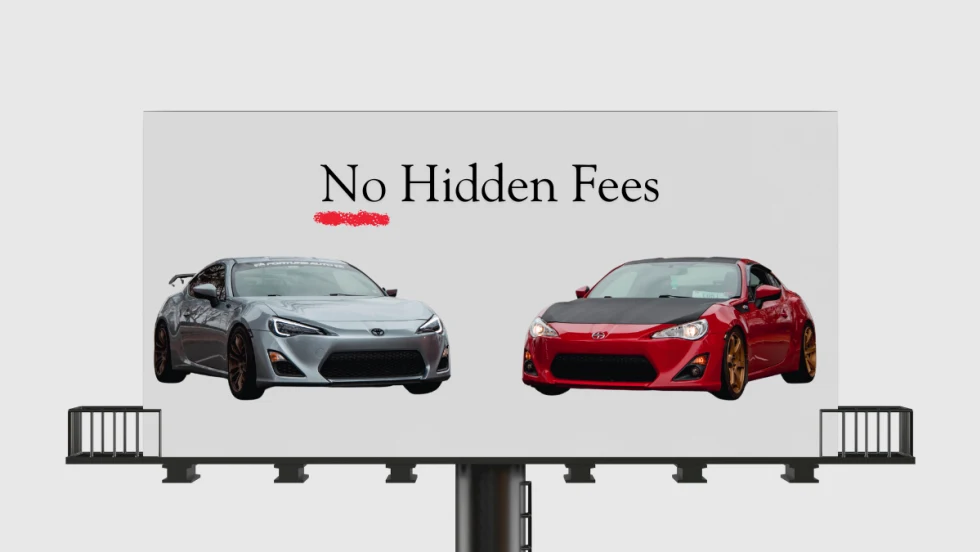
Dealer Ads and the FTC
The agency has made it clear in recent enforcement actions and warnings, in auto retail and other industries, that advertised prices must include all nonoptional costs to the consumer.
Read More →
Used Autos Supply Dwindles
The March shopping surge, despite high prices, cut into inventory by the most since the thick of the pandemic, Cox Automotive analysts calculated.
Read More →