



The Fixed Ops Blind Spot
Customer-pay repair orders are profitability drivers for service departments, but many dealerships don't know how much of their business goes to them.

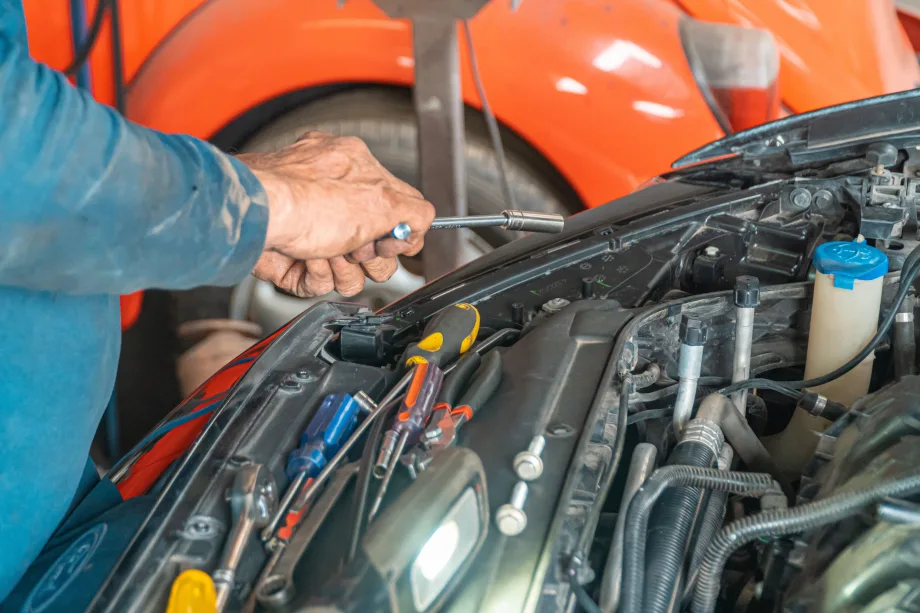
Customer-pay repair orders have the potential to bring in three to 10 times the revenue of an average service ticket.
Service departments see their fair share of routine maintenance and recall work, but many dealerships are missing out on a key profitability driver: customer-pay repair orders.
Through its own research, Prosidium Warranty & Capital said it found that CPROs make up only about 5% of a service department’s repair orders, which it said is an all-time low for dealerships. It claims the repair orders have the potential to bring in between three and 10 times the dollar amount of an average service ticket.
“Customer-pay mechanical is the most profitable repair a dealership has, but a lot of dealerships don’t know their CPRO,” said Prosidium Chief of Operations Aric Savage.
Why aren’t dealerships paying attention to this important metric? Savage said they often claim they are too busy. But he said most of that work is routine maintenance and recalls, making service departments appear busy; meanwhile, their repair order number continues to decrease.
After 20-plus years as a fixed operations director, Savage said he noticed a pattern and asked two important questions: Why are customers leaving, and where are they going?
He said it boils down to trust. Customers need to know they can trust the dealership and the service adviser they are communicating with. He said technology advancements have helped because advisers are able to show the customer proof of needed repairs. But trust is often lost through poor communication with the service adviser or department. Customers need to be shown the value of the repair and the value that the dealership itself brings.
He cited a Cox Automotive report that said 74% of customers that service with a dealership purchase their next vehicles from it, showing that trust built in the service department can lead to customer retention for the dealership.
More Fixed Ops
ASE Invites Service Centers to Benchmark Performance
ASE Connects is gathering the data for its quarterly service snapshot report, which provides a comparison of service drives across the country.
Read More →
More Cars Recalled in First Half
The six months that kicked off the year saw an extended surge of the number of vehicles recalled, electrical issues leading the way again.
Read More →
California Dealer Group Foundation Partners With ASE
CNCDA Foundation and ASE Connects collaboration is intended to build California's automotive technician workforce.
Read More →
Dealer Debrief: Fixed-Ops Opportunities
In this week's debrief, host Lauren Lawrence discusses maximizing your dealership's profitability with a focus on fixed operations.
Read More →
Dealer Debrief: Technician Apprenticeships
In this week's debrief, host Lauren Lawrence discusses a new grant for service tech apprenticeships and more industry workforce news.
Read More →
ASE Acquires WrenchWay
The auto technician certification nonprofit said the deal expands its role in workforce-development and support for current and future service professionals.
Read More →
TraXtion Introduces TireSpec Website Solution
The company says the offering enables consumers to snap a photo of their tire with a smartphone and receive an instant replacement quote, capturing 90% of tire shoppers who start their shopping online.
Read More →
UVeye Launches Same-Day Vehicle Listings for Car Dealers
New 'Scan to Sold' offering turns the service lane into a website-ready merchandising photo booth designed to help dealerships reduce turnaround time from days to minutes.
Read More →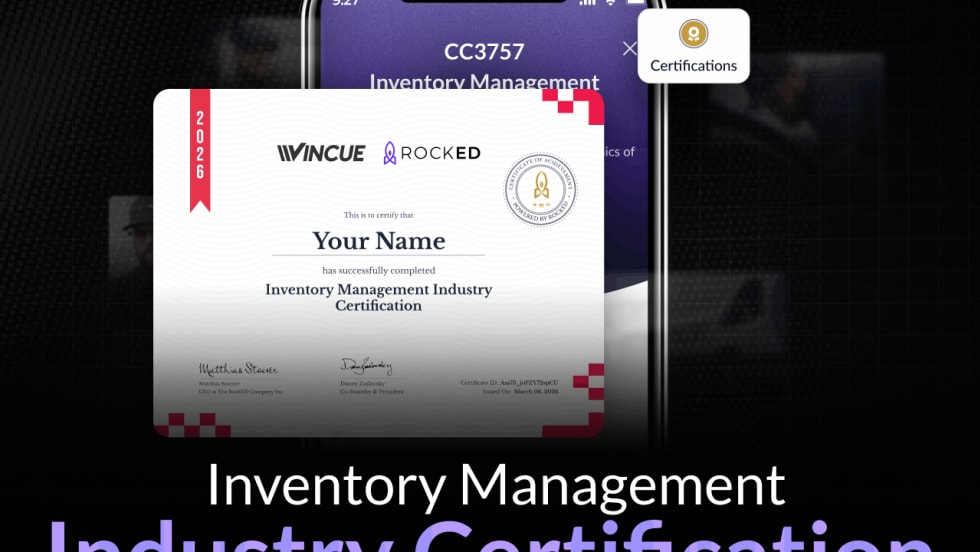
RockED, VINCUE Launch Inventory-Management Industry Certification
Offering for retail automotive dealers and operators is designed to address what the companies say is a lack of standardized and modern thought leadership in vehicle life-cycle management.
Read More →
Survey Shows What Technicians Want
Data gathered by the ASE Training Managers Council shows that service technicians prefer classroom or instructor-led training and hands-on lab work over online or self-led training.
Read More →