


The Slow Electric Ascent
Second-quarter data show that the electric-vehicle market in the U.S. is inching up, the majority of states seeing a month-over-month increase.


In 47 states, plus the District of Columbia, EV market share increased month-over-month.
Pexels/Monstera Production
The U.S. electric-vehicle market is slowly recovering from the loss of the federal tax credit last fall that tanked sales.
Second-quarter data show that EV market share increased by over 1% compared to the first quarter, the first sequential gain since the third quarter of 2025, according to the Alliance for Automotive Innovation.
The trade group's report shows that 8% of all new light-duty vehicle sales in the quarter were EVs.
In 47 states, plus the District of Columbia, EV market share increased month-over-month, California remaining the EV leader, followed by Washington and Nevada.
In the first half of the year, EVs represented 7% of all new light-duty vehicle sales for a 2% EV market share decline year-over-year. The Alliance said that the first half results “reflect a particularly weak start to the year followed by a stronger second quarter.”
The powertrain mix in the second quarter shifted noticeably. Hybrid market share continued to rise for a 5% year-over-year increase. Meanwhile, gas-powered vehicles’ share declined 3% year-over-year, a sharp contrast to the first quarter when its share was flat.
EV sales were helped along in the quarter by an increase in the number of EV models available for sale from 154 to 161 across cars, utility vehicles, pickup trucks and vans. Utility vehicles dominated the EV segment, battery-electrics and plug-in hybrids accounting for 75% of sales.
The average transaction price for a new EV was down 4.5% year-over-year in June to $56,238. Manufacturer incentives averaged nearly $7,300 per vehicle, accounting for 13% of the ATP.
Meanwhile, the average used EV listing price rose 7% year-over-year to $38,342 in June.
More Industry
Kentucky Store Leaves Family
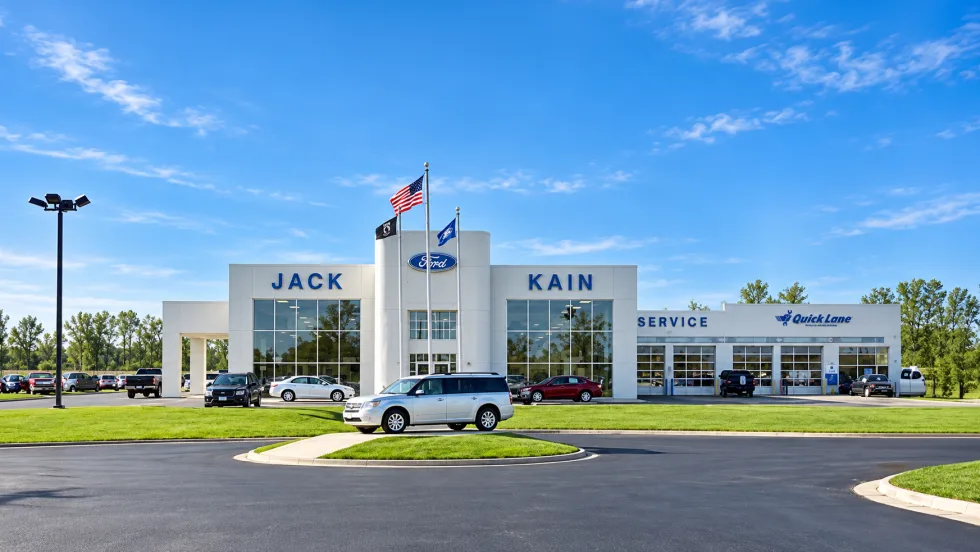
An auto group stretched across three states picked up the Lexington-area Ford fixture as its second store for the brand in the state.
Read More →
U.S. Auto Brands Falling Behind
Asian auto brands are outpacing U.S. brands in stateside new-vehicle sales. Learn more in this week's Dealer Debrief with Lauren!
Read More →
U.S. EV Market Update | Dealer Debrief
The U.S. electric vehicle market is slowly recovering from the loss of the federal EV tax credit last fall. Learn more in this week's Dealer Debrief!
Read More →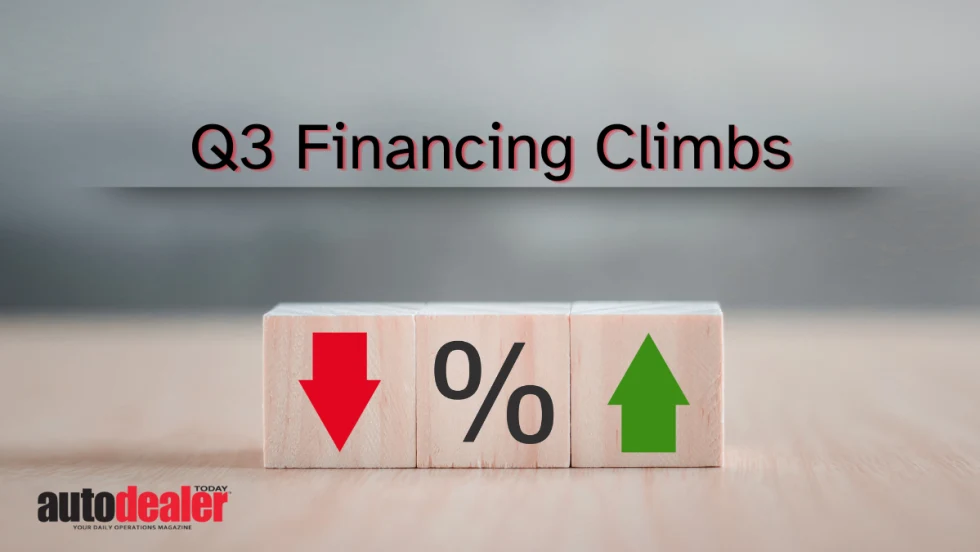
Auto Finance Numbers Set Records
Third-quarter data show how consumers are adapting to ongoing affordability challenges facing the new- and-used-vehicle markets.
Read More →
Auto Dealerships Can’t Afford to Ignore the 50+ Consumer
Younger generations may be all the buzz today when it comes to product marketing targets, but their older cohorts command a sizable share of purchasing power.
Read More →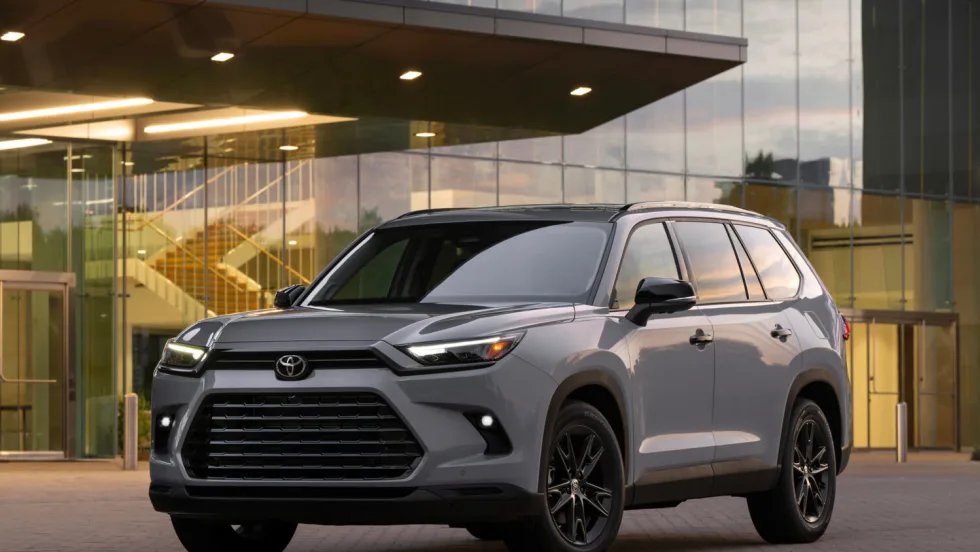
Savings Seekers Boost U.S. Automakers’ Rivals
As consumers here look for ways to curb inflation’s affect on their budgets, brands offering plenty of alternative powertrains are closing in on home-grown OEMs.
Read More →
Safer Rides & Cyberattacks
Vehicle crash testing is getting a virtual boost, but auto dealerships are facing increased cyberattacks. Learn more in this week's Dealer Debrief!
Read More →
Affordability Angst | Dealer Debrief
August saw little relief for car buyers, whether they were shopping new or used. Take a look at the month's breakdown in this week's Dealer Debrief!
Read More →
Virtual Crash Testing in the Works
A company's platform works alongside physical crash testing to gather insights into occupant response and injury mechanisms, with the idea of helping automakers develop safer vehicles.
Read More →
Tariff Tiff Examined
Some auto industry leaders are taking a relaxed view of the U.S.-Canada trade war while others worry that a dramatically adjusted playing field could mean too much collateral damage.
Read More →