



Toyota and Honda Criticize EV Proposal that Favors Union Plants
The companies sharply criticized a Democrat proposal in the U.S. House of Representatives to give union-made electric vehicles an additional $4,500 tax incentive.

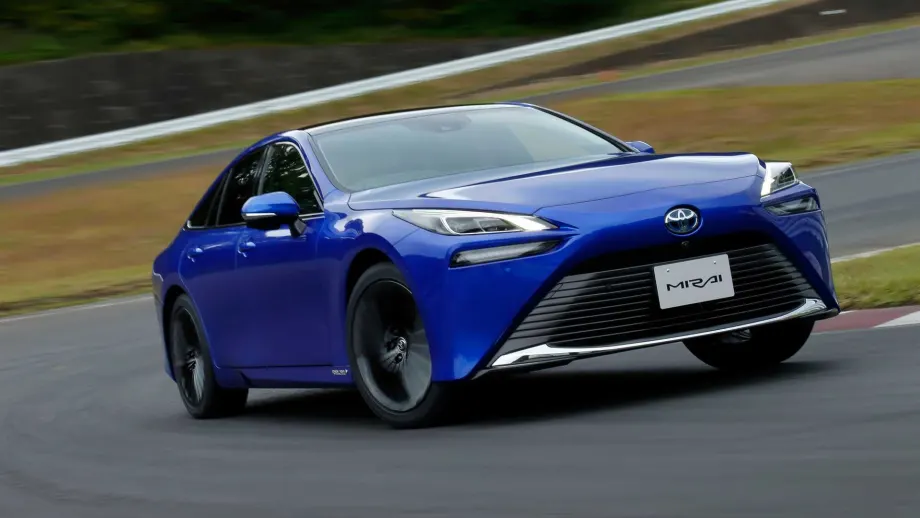
Toyota has promised to fight to focus tax dollars on making EVs available for all American consumers.
Toyota
Toyota, Tesla and Honda sharply criticized a Democrat proposal in the U.S. House of Representatives to give union-made electric vehicles (EVs) an additional $4,500 tax incentive, calling the move “blatantly biased” and “discriminatory.”
Toyota said in a statement that the plan unfairly discriminates “against American autoworkers based on their choice not to unionize.”
The Democratic-led House Ways and Means Committee will vote soon on the plan that is part of a proposed $3.5 trillion spending bill. The legislation benefits Detroit’s Big Three automakers, which have union-represented auto plants.
GM, Ford Motor Co. and Stellantis NV assemble U.S.-made vehicles in plants represented by the United Auto Workers (UAW) union. But foreign automakers operating in the United States, as well as Tesla, do not have unions representing assembly workers. They have fought off efforts by the UAW to organize these U.S. plants.
Honda called the bill “unfair,” and said it “discriminates among EVs made by hard-working American auto workers based simply on whether they belong to a union. The Honda production associates in Alabama, Indiana and Ohio who build our EVs deserve fair and equal treatment by Congress.”
The proposal will cost taxpayers an estimated $33 billion to $34 billion over 10 years. It will set the maximum tax credit for EVs at $12,500, up from $7,500. This figure also includes a $500 credit for using U.S.-manufactured batteries.
The proposed bill will phase out tax credits after they hit 200,000 electric vehicles sold, which would make General Motors Co. and Tesla Inc. eligible again. It also will set a smaller credit for used EVs of up to $2,500.
UAW President Ray Curry spoke out in favor of the tax credit provision, saying it will go “a long way in supporting-good paying union jobs in the EV auto sector that President Biden has championed.”
The bill limits the EV credits to cars valued at no more than $55,000, and trucks priced at up to $74,000.
Toyota has promised to “fight to focus taxpayer dollars on making all electrified vehicles accessible for American consumers who can’t afford high-priced cars and trucks.”
More Dealer Ops

How to Avoid Phone Scams | Dealer Debrief 09/10/2026
Are you taking the necessary steps to protect your dealership and customer data from phone-based scams? This week's Dealer Debrief breaks down how!
Read More →
Dealer Debrief: August Auto Sales
Gas-powered engines still dominate the U.S. vehicle market, but hybrids are gaining ground as consumers look for ways to cut their gas costs.
Read More →
Dealership Profits Decline
While new and used retail sales stagnated, dealerships have been particularly supported by fixed operations and finance-and-insurance profits, according to a new report.
Read More →
Dealer Debrief: Defection Data & EV Updates
In this week's debrief, host Lauren Lawrence discusses how to use defection data to your advantage and the latest on EV sales and charging infrastructure.
Read More →
How Defection Data is Bridging the Dealership Conversion Gap
Lead volume is flat, cross-shopping is up and brand loyalty is in retreat. As confident sales teams keep losing buyers they thought they had, daily industry sales data is showing dealers exactly where their funnel is breaking and how to fix it without buying a single new lead.
Read More →
Dealer Debrief: Where are you losing customers?
In this week's debrief, host Lauren Lawrence discusses the hidden leaks in dealerships where you might be losing customers without even realizing it.
Read More →
Dealer Debrief: Improving Your Inventory Management
In this week's debrief, host Lauren Lawrence covers a new survey that shows what service technicians really want and two launches that could help improve your inventory and vehicle life cycle management.
Read More →
Ladies and Gentlemen, This Is a Dealership: Why the Fundamentals Still Decide Who Wins
A teaching moment by a legendary football coach happens to apply perfectly in the auto retail space. Learn what it is and how to use it to your store’s advantage.
Read More →
Dealer Ads and the FTC
The agency has made it clear in recent enforcement actions and warnings, in auto retail and other industries, that advertised prices must include all nonoptional costs to the consumer.
Read More →
Used Autos Supply Dwindles
The March shopping surge, despite high prices, cut into inventory by the most since the thick of the pandemic, Cox Automotive analysts calculated.
Read More →