



Polk Debate Settled
Brian Hudson - What the situation cried out for was for guidance from someone or some body that actually knew something about TILA and Reg. Z...

Federal Reserve Board's Revised Official Staff Commentary Settles Polk Debate
Remember the Polk case? We've been ranting about it, and about other cases addressing the same subject, for almost two years. In June of 2000, the Fourth Circuit issued an opinion in the case of Polk v. Crown Auto. The Opinion dealt with the form and timing requirements of the Truth in Lending Act, with the Polk court appearing to say that TILA disclosures had to be given to the car buyer before the buyer signed the credit contract. We say "appearing to say" because the opinion was sketchy on facts, so it was impossible to tell from the opinion exactly what the dealer had or had not done in the process of delivering the disclosures.
Whether the opinion was just sloppy, or plain wrong, it led to a rash of suits against dealers around the country. Some courts followed Polk, while others disagreed with the apparent Polk conclusion. To complicate matters, the Fourth Circuit issued an opinion in January of this year, in the case of Gavin v. Koons Buick Pontiac GMC, Inc., that, without even mentioning Polk, reversed what at least many people thought Polk stood for (see box on adjacent page for all the Polk-related articles that have appeared in Spot to date).
All these courts were struggling to determine what TILA and Regulation Z (Reg. Z)
required in the timing and delivery of disclosures. Regulation Z is the Federal Reserve Board regulation interpreting the Truth in Lending Act. Reg. Z didn't offer much specific guidance - as the split in court opinions on this issue indicates - Reg. Z could be read either to support the Polk rationale or not.

Part of the problem is that most judges see Reg. Z issues about as often as they see their ex-spouses. What the situation cried out for was for guidance from someone or some body that actually knew something about TILA and Reg. Z. Now, along comes the Federal Reserve Board to do exactly that. The FRB staff issues something called "Official Staff Commentary," which is the staff's
written understanding of what they think the TILA and Reg. Z requirements are. The mess that has developed in the courts is exactly the sort of mess that FRB staff can straighten out with the Commentary.
In December 2001, the Board issued proposed revisions to the Commentary that would explicitly address the TILA timing and delivery requirements. Basically, the proposed Commentary said that a creditor (for example, a car dealer) providing TILA disclosures and the credit contract in the same document (typical in car finance transactions) could meet the federal disclosure requirements by giving the completed contract containing the disclosures to the customer to read and sign. The proposed Commentary said that it was insufficient to merely show the contract to the customer - it had to be in the customer's possession, so that he or she could review the document in its entirety before signing and becoming obligated. On April 9, the Board issued its final revision to the Commentary, essentially adopting the proposed Commentary. The Commentary, as amended, now contains this example:
A creditor gives a consumer a multiple-copy form containing a credit agreement and TILA disclosures. The consumer reviews and signs the form and returns it to the creditor, who separates the copies and gives one copy to the consumer to keep. The creditor has satisfied the disclosure requirement. The Commentary revision should end the dispute in the courts about whether
the Polk opinion was right, wrong or just sloppily written, and should be of great help in connection with any pending cases. The new Commentary language won't help dealers who weren't giving their customers copies of their contracts containing TILA disclosures until a week or two after the sale transactions. Those folks will still be in trouble, and rightly so!
More Dealer Ops

Ladies and Gentlemen, This Is a Dealership: Why the Fundamentals Still Decide Who Wins
A teaching moment by a legendary football coach happens to apply perfectly in the auto retail space. Learn what it is and how to use it to your store’s advantage.
Read More →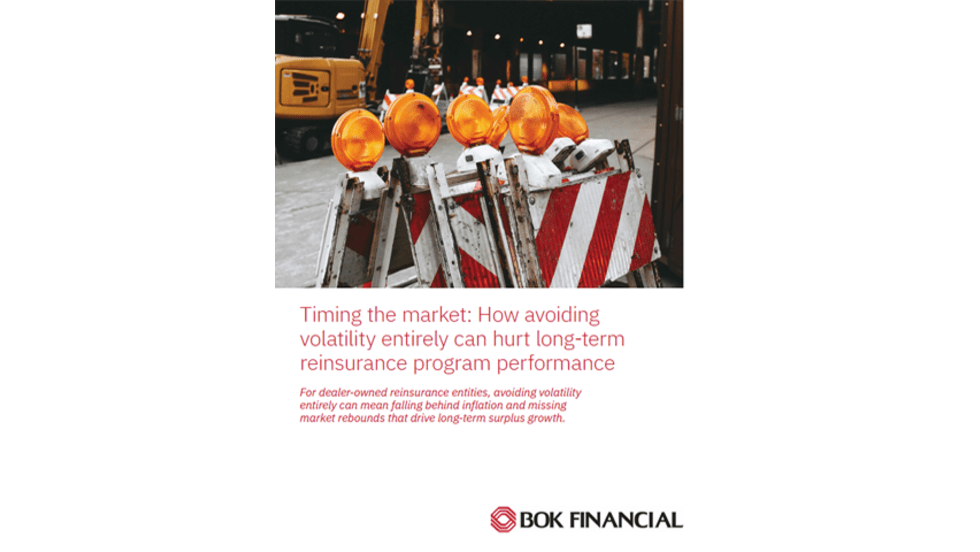
Timing the Market Can Hurt Long-Term Program Performance
For dealer-owned reinsurance entities, avoiding volatility entirely can mean falling behind inflation and missing market rebounds that drive long term surplus growth. Missing just a handful of strong market days can materially impact cumulative returns—an important reminder for long horizon trust and investment strategies.
Read More →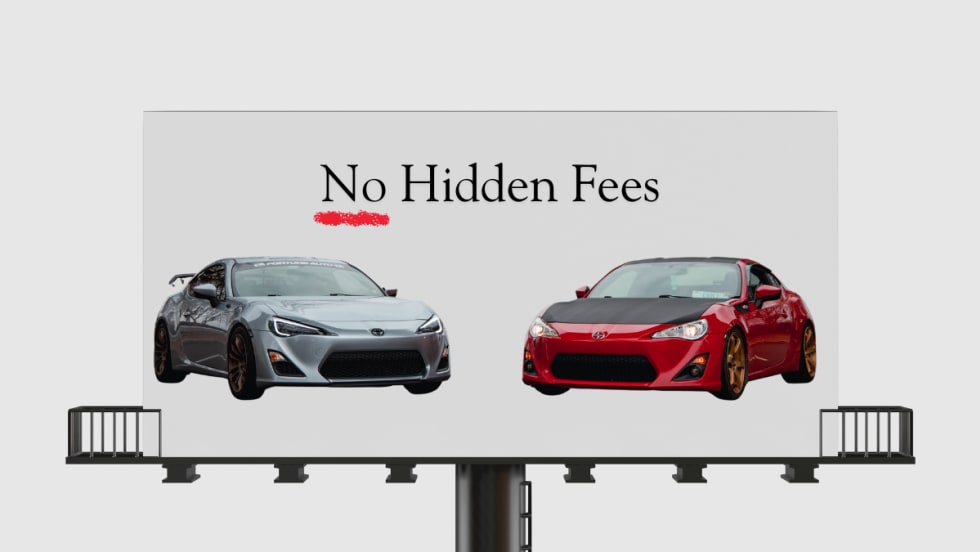
Dealer Ads and the FTC
The agency has made it clear in recent enforcement actions and warnings, in auto retail and other industries, that advertised prices must include all nonoptional costs to the consumer.
Read More →
Used Autos Supply Dwindles
The March shopping surge, despite high prices, cut into inventory by the most since the thick of the pandemic, Cox Automotive analysts calculated.
Read More →
Managing Risk Effectively Through Changing Times
The variables influencing risk pricing have changed significantly over the past five years. Being proactive and responsive to emerging trends is not optional but essential.
Read More →
Survey Reveals What Won't Fix What's Breaking Car Sales
AutoPayPlus says extra-long auto loans are trapping consumers and threatening the dealer trade-in cycle, and that the industry is leveraging the wrong tools to combat high MSRPs.
Read More →
IA American Appoints Two Execs
Senior vice presidents of the company's agent and dealer channels chosen to support general agents and help auto dealers with sales and performance.
Read More →
Cox Automotive Acquires Inspection Firm
Full ownership of Alliance Inspection Management, or AiM, meant to unlock growth for Manheim inspection capabilities
Read More →
Assurant Expands Partnership With Holman
Extended collaboration delivers training, products and performance development to 30 newly acquired Holman dealerships
Read More →
Franchises, Throughput Down in First Half
A handful of states see franchise growth through June, while EV sales per store boost overall business in U.S.
Read More →