



Making it to the Top
When Erik Weihenmayer, a blind man, climbed Mt. Everest in 2001, the trek was well-planned-out. Every person involved in the expedition had to have clarity of vision (i.e., able to articulate the goal to get Erik to the top). Erik had to have the right team in place, and they had nightly meetings while climbing to the summit. Kirk Manzo compares and relates these key aspects of Erik’s success to successful F&I departments.

What Climbing Mt. Everest and F&I Have in Common
In 2001, Erik Weihenmayer realized his quest to reach the summit of the tallest peak in the world, Mt. Everest. For over two years, he and his team of 15 other climbers established the systems needed to accomplish this task. The importance of coordination among the team was particularly critical to the group’s success because Erik is blind.
The remarkable story of what these individuals achieved together is a testament to the principles they applied.
The first element they established was clarity of vision. Every person involved in the expedition was able to articulate the goal to get Erik to the top. Can your entire team (salespeople, sales manager, F&I manager) state clearly and completely what F&I outcomes are expected? For example: PVR at $947, service contract penetrations at 46 percent, etc. If not, then what is the likelihood of ever reaching those targets?
Another factor that Erik’s team attributes to its success was having the right team members in place. The expedition’s leader intentionally selected climbers that he felt could work well together. They were not necessarily the best climbers; however, he understood how egos can tear a team apart. When examining your team and its current results, how are egos impacting performance? Do you have salespeople on staff undermining the efforts of the F&I department? Are the desk managers providing out the door figures to guests before the F&I manager even has a chance to speak with the customer? Are payments being quoted to the penny from the sales department?
In Jim Collins’ book “Good to Great,” he describes how the best organizations understand and apply the above principle of having the right team. The intent is to not only to have the right people on the bus, but to also have the courage to remove the wrong people from the bus. Lastly, as a great leader you must determine where each member of the team should sit on the bus, in other words, having the right people in the right positions.
To summit Mt. Everest is a dangerous endeavor. Only 10 percent of those who attempt the climb ever make it to the top, and of every six who attempt the summit, one dies. Clearly the need to maintain clear communications throughout the climb was critical to the success of Erik’s team. In order to identify problem areas and opportunities to improve, the group conducted a nightly tent meeting. This created a forum for discussion on the challenges that lay ahead and the adjustments needed stay on course.
Does your team conduct daily save-a-deal/CIT meetings? Are all sales managers and the entire F&I department involved? Back office as well? Peter Drucker based his entire management consulting career on one principle: you cannot change what you do not measure. Reviewing the previous day’s results creates an opportunity to identify areas of improvement and applaud accomplishments.
The strategy to achieve superior F&I results at your store comes from the same principles that supported Erik’s team to the top. First, establish clarity of vision that each team member can state. Second, put together the right people for the team. Egos can tear apart the group. Lastly, establish and maintain open communication by conducting daily team meetings to determine what is and is not working, then make the necessary adjustments.
Establish these principles for your store and achieve extraordinary results with ordinary individuals.
Vol. 7, Issue 11
More Dealer Ops

Ladies and Gentlemen, This Is a Dealership: Why the Fundamentals Still Decide Who Wins
A teaching moment by a legendary football coach happens to apply perfectly in the auto retail space. Learn what it is and how to use it to your store’s advantage.
Read More →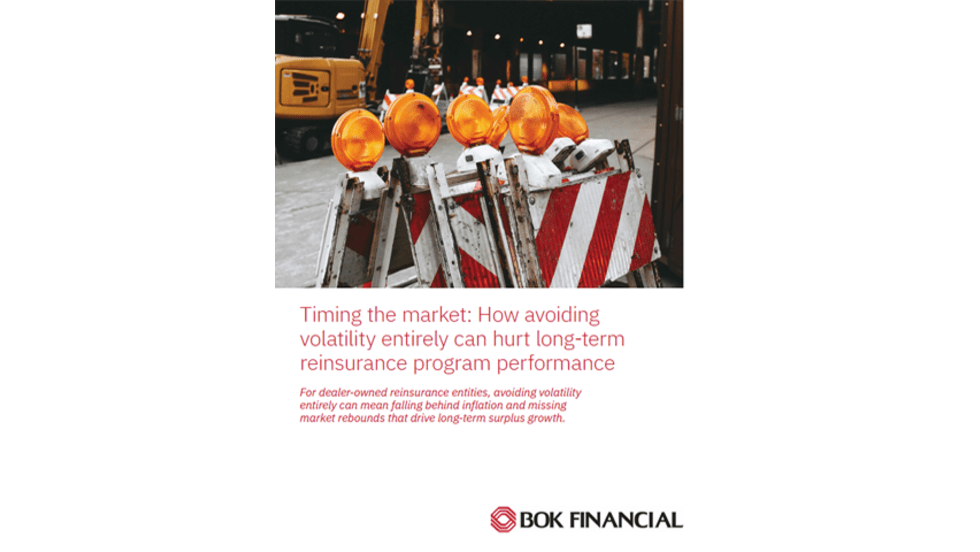
Timing the Market Can Hurt Long-Term Program Performance
For dealer-owned reinsurance entities, avoiding volatility entirely can mean falling behind inflation and missing market rebounds that drive long term surplus growth. Missing just a handful of strong market days can materially impact cumulative returns—an important reminder for long horizon trust and investment strategies.
Read More →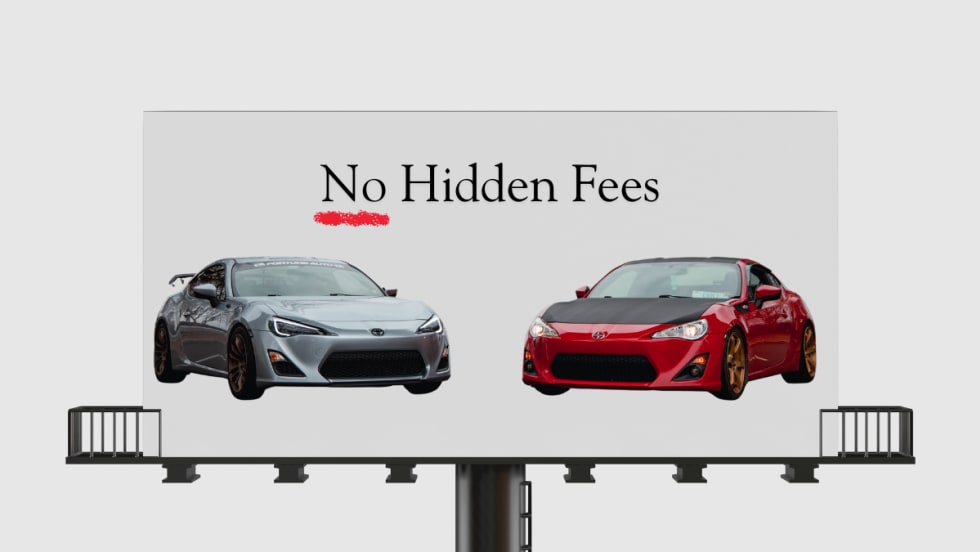
Dealer Ads and the FTC
The agency has made it clear in recent enforcement actions and warnings, in auto retail and other industries, that advertised prices must include all nonoptional costs to the consumer.
Read More →
Used Autos Supply Dwindles
The March shopping surge, despite high prices, cut into inventory by the most since the thick of the pandemic, Cox Automotive analysts calculated.
Read More →
Managing Risk Effectively Through Changing Times
The variables influencing risk pricing have changed significantly over the past five years. Being proactive and responsive to emerging trends is not optional but essential.
Read More →
Survey Reveals What Won't Fix What's Breaking Car Sales
AutoPayPlus says extra-long auto loans are trapping consumers and threatening the dealer trade-in cycle, and that the industry is leveraging the wrong tools to combat high MSRPs.
Read More →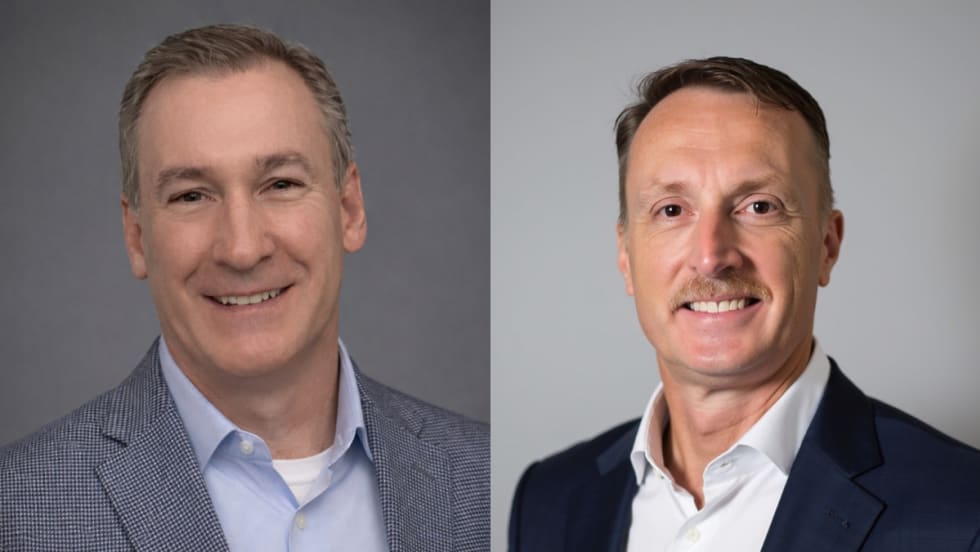
IA American Appoints Two Execs
Senior vice presidents of the company's agent and dealer channels chosen to support general agents and help auto dealers with sales and performance.
Read More →
Cox Automotive Acquires Inspection Firm
Full ownership of Alliance Inspection Management, or AiM, meant to unlock growth for Manheim inspection capabilities
Read More →
Assurant Expands Partnership With Holman
Extended collaboration delivers training, products and performance development to 30 newly acquired Holman dealerships
Read More →
Franchises, Throughput Down in First Half
A handful of states see franchise growth through June, while EV sales per store boost overall business in U.S.
Read More →