



More Drivers Using Green to Go 'Green,' Experian Finds
Latest Experian study shows consumers buying an alternative-powered vehicle are more likely to pay cash than those buying a gas-powered vehicle
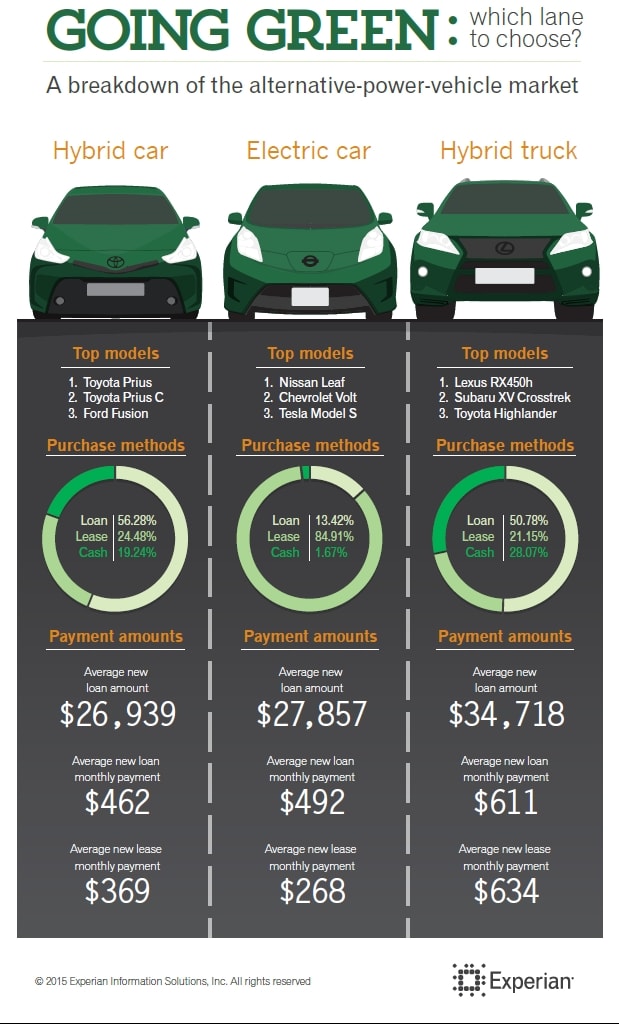
SCHAUMBURG, Ill. — In honor of Earth Day, Experian Automotive conduct an analysis of trends in the alternative-power vehicle marker. It found that consumers purchasing "green" vehicles tended to buy them with cash.
According to the analysis, more than 18% of consumers that purchased a “Green” vehicle paid in cash in 2014, compared to 15.24% of those who purchased a gas-powered vehicle.
“Despite the increases we have seen in automotive financing over the past few years, it’s interesting that a larger percentage of consumers buying green vehicles are choosing to buy with cash,” said Melinda Zabritski, senior director of automotive finance for Experian. “To put it in context, nationally, consumers purchased new vehicles with cash roughly only 16% of the time. A possible reason for this could be that consumers buying green vehicles are in the highest credit tiers, which could indicate they have more disposable income than those buying a gas vehicle.”
By being in the highest credit tiers, consumers purchasing green vehicles also tend to be a slightly lower credit risk than those purchasing traditional models. Nearly 83% of consumers who purchased an alternative-powered vehicle fell within the prime credit category, compared to 71.5% of consumers who purchased a gas-powered vehicle. Additionally, the average credit score of a consumer purchasing green was 737, while it was 711 for traditional vehicles.
From an overall market perspective, however, the percentage of new registered alternative-powered vehicles experienced a slight decrease year over year, falling from 4.1% in 2013 to 3.9% in 2014.
“While consumers purchasing an alternative-powered vehicle can satisfy their environmentally conscious side, the influx of traditionally powered vehicles with extremely high fuel efficiency have presented more options for consumers looking to save a buck at the fuel pump,” continued Zabritski.
At the model level, nearly 50% of all green vehicles registered in 2014 were Toyotas, led by the Toyota Prius (24.7%). The remaining top 10 included the Toyota Prius C (7.4%), Ford Fusion (6.9%), Toyota Camry (6.8%), Nissan Leaf (5.8%), Toyota Prius V (5.7%), Ford C-Max (4.2%), Hyundai Sonata (3.8%), Chevrolet Volt (3.5%) and Lexus CT 200h (3.3%).
For traditionally powered vehicles, the top model was the Honda Accord (3%), followed by the Ford F150 (2.8%), Honda CR-V (2.7%), Toyota Camry (2.6%), Chevrolet Silverado 1500 (2.6%), Honda Civic (2.6%), Toyota Corolla (2.2%), Toyota RAV4 (2%), Nissan Altima (2%) and the Ford Escape (2.0%).
Other findings:
In 2014, 53.3% of consumers financed the purchase of a “green” vehicle, while 70.2% of consumers took out a loan to purchase a traditional model.
For leases, 28.2% of consumers leased an alternative-powered vehicle in 2014, compared to 29.6% of consumers leasing a gas-powered vehicle.
The average finance amount for an alternative-powered vehicle in 2014 was $27,288, compared to $27,817 for a gas-powered vehicle
In 2014, the average monthly payment for an alternative-powered vehicle was $468; gas-powered vehicles were $473
The average lease payment for an alternative-powered vehicle was $358, compared to $407 for a gas-powered vehicle.
The top five states with the highest percentage of alternative-powered vehicle registrations in 2014 were California, Hawaii, Oregon, Washington and Georgia
More Dealer Ops

Ladies and Gentlemen, This Is a Dealership: Why the Fundamentals Still Decide Who Wins
A teaching moment by a legendary football coach happens to apply perfectly in the auto retail space. Learn what it is and how to use it to your store’s advantage.
Read More →
Timing the Market Can Hurt Long-Term Program Performance
For dealer-owned reinsurance entities, avoiding volatility entirely can mean falling behind inflation and missing market rebounds that drive long term surplus growth. Missing just a handful of strong market days can materially impact cumulative returns—an important reminder for long horizon trust and investment strategies.
Read More →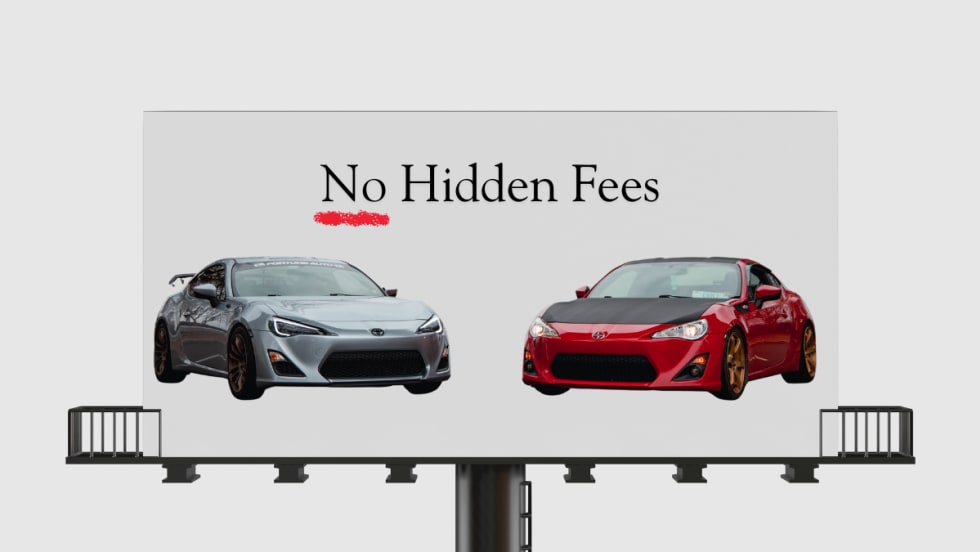
Dealer Ads and the FTC
The agency has made it clear in recent enforcement actions and warnings, in auto retail and other industries, that advertised prices must include all nonoptional costs to the consumer.
Read More →
Used Autos Supply Dwindles
The March shopping surge, despite high prices, cut into inventory by the most since the thick of the pandemic, Cox Automotive analysts calculated.
Read More →
Managing Risk Effectively Through Changing Times
The variables influencing risk pricing have changed significantly over the past five years. Being proactive and responsive to emerging trends is not optional but essential.
Read More →
Survey Reveals What Won't Fix What's Breaking Car Sales
AutoPayPlus says extra-long auto loans are trapping consumers and threatening the dealer trade-in cycle, and that the industry is leveraging the wrong tools to combat high MSRPs.
Read More →
IA American Appoints Two Execs
Senior vice presidents of the company's agent and dealer channels chosen to support general agents and help auto dealers with sales and performance.
Read More →
Cox Automotive Acquires Inspection Firm
Full ownership of Alliance Inspection Management, or AiM, meant to unlock growth for Manheim inspection capabilities
Read More →
Assurant Expands Partnership With Holman
Extended collaboration delivers training, products and performance development to 30 newly acquired Holman dealerships
Read More →
Franchises, Throughput Down in First Half
A handful of states see franchise growth through June, while EV sales per store boost overall business in U.S.
Read More →