



March Sales Down 3.1% as SAAR Soars
The U.S. new-vehicle sales forecast improved to 17.42 million units in March, but sales fell 3.1% year-over-year against slowing demand fueled by higher interest rates, prices, and payments and reduced incentive spending.

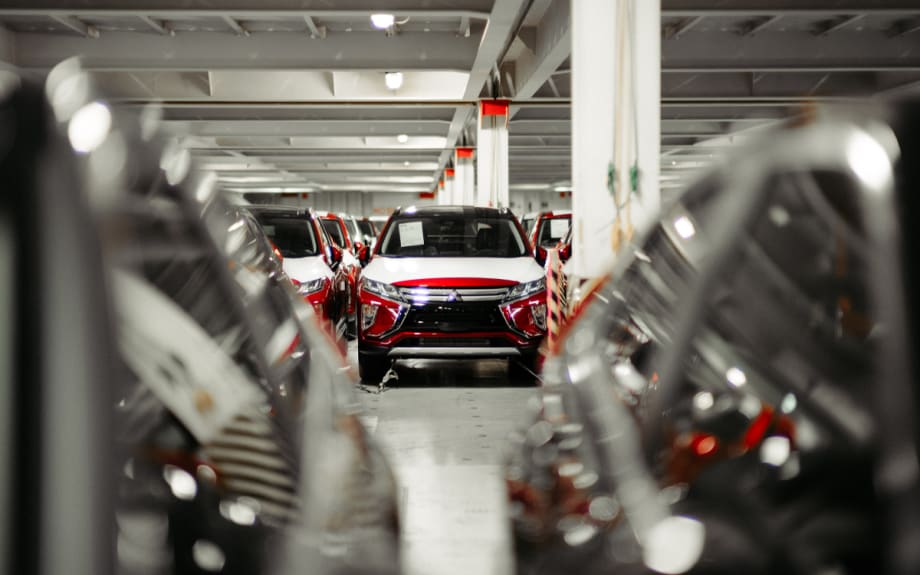
Sales of the Eclipse Cross and its Outlander stablemates helped propel Mitsubishi to a 37% year-over-year sales gain in March, leading all major manufacturers.
Photo courtesy Mitsubishi Motors North America
(Bobit) — U.S. auto dealers sold 1.61 million new light vehicles last month, an improvement on February’s 1.27 million-unit tally but a year-over-year decline of 3.1%, according to data and estimates compiled by Automotive News. Despite starting the year on three down months, forecasters raised the industry’s seasonally adjusted annualized rate to 17.42 million, up from 16.61 million in February and 17.33 million in March of last year.
Analysts agree demand has slipped in the face of higher interest rates, rising MSRPs, and tightening incentives. Those factors conspired to raise the average transaction price by 2.3%, according to Kelley Blue Book; Edmunds reports the average interest rate on a new-vehicle loan was 6.36% in March, up from 5.66% a year ago and 4.44% in March 2014.
In a statement, NADA Senior Economist Patrick Manzi added to that list waning momentum from the Trump administration’s 2018 tax cuts and uncertainty around increased tariffs for imported vehicles and parts.
“Economic growth is slowing and is expected to return to a more long-term trend level of growth around 2%. Unlike last year, the positive effects of tax cuts will be less pronounced this year. There’s uncertainty surrounding the implementation of tariffs on imported autos and auto parts,” Manzi said. “However, job gains have been steady and wage growth has been accelerating in recent months, which are both net positives for auto sales.”
Truck and utility sales helped drive Honda (4.3%), Hyundai (1.8%), Kia (10.2%), Subaru (6%), and Volkswagen (14%) to sales gains last month. But Mitsubishi put them all to shame, growing year-over-year sales by nearly 37% on the wheels of its Outlander, Outlander Sport, and Eclipse Cross CUVs.
March’s losers include General Motors (-8.3%), Ford (-5.2%), and Fiat Chrysler (-7.2%); FCA saw sales drop across each of its divisions, led by Fiat (-45.1%). Major import brands Toyota (-5.1%), Nissan (-7.2%), and Mazda (-19.1%) suffered as well.
Among highline manufacturers, BMW (2.9%), Audi (1.1%), Volvo (16.2%), Porsche (0.5%), Jaguar (12.9%), and Genesis (4.6%) all improved while Mercedes-Benz (-2.7%) and Land Rover (-13.5%) declined. Tesla continues to gain ground as it enters the mainstream, registering a 16.9% year-over-year increase.
“Results reported so far show no real surprises, given the expected trajectory for the full year and that the U.S. market has been stronger in the second half than the first for the past few years,” said Stephanie Brinley, principal automotive analyst at IHS Markit, noting that uncertainly among consumers should be eased if interest rates hold through 2019. “With automakers seeming to hold the line on incentives, we may also be seeing [the] impact of less to draw consumers into showrooms in the first quarter. As the year plays out and more new products arrive, we may still see some bright moments.”
More Dealer Ops

Ladies and Gentlemen, This Is a Dealership: Why the Fundamentals Still Decide Who Wins
A teaching moment by a legendary football coach happens to apply perfectly in the auto retail space. Learn what it is and how to use it to your store’s advantage.
Read More →
Timing the Market Can Hurt Long-Term Program Performance
For dealer-owned reinsurance entities, avoiding volatility entirely can mean falling behind inflation and missing market rebounds that drive long term surplus growth. Missing just a handful of strong market days can materially impact cumulative returns—an important reminder for long horizon trust and investment strategies.
Read More →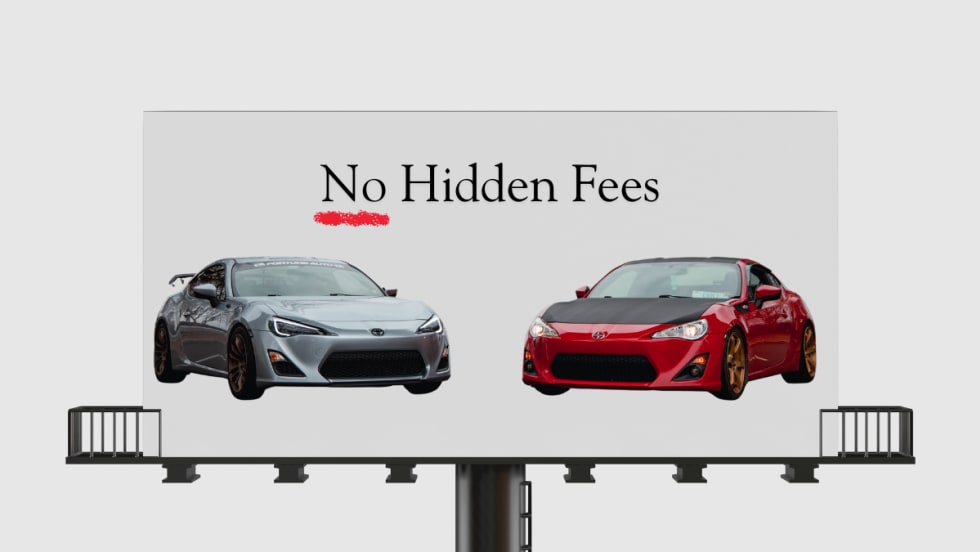
Dealer Ads and the FTC
The agency has made it clear in recent enforcement actions and warnings, in auto retail and other industries, that advertised prices must include all nonoptional costs to the consumer.
Read More →
Used Autos Supply Dwindles
The March shopping surge, despite high prices, cut into inventory by the most since the thick of the pandemic, Cox Automotive analysts calculated.
Read More →
Managing Risk Effectively Through Changing Times
The variables influencing risk pricing have changed significantly over the past five years. Being proactive and responsive to emerging trends is not optional but essential.
Read More →
Survey Reveals What Won't Fix What's Breaking Car Sales
AutoPayPlus says extra-long auto loans are trapping consumers and threatening the dealer trade-in cycle, and that the industry is leveraging the wrong tools to combat high MSRPs.
Read More →
IA American Appoints Two Execs
Senior vice presidents of the company's agent and dealer channels chosen to support general agents and help auto dealers with sales and performance.
Read More →
Cox Automotive Acquires Inspection Firm
Full ownership of Alliance Inspection Management, or AiM, meant to unlock growth for Manheim inspection capabilities
Read More →
Assurant Expands Partnership With Holman
Extended collaboration delivers training, products and performance development to 30 newly acquired Holman dealerships
Read More →
Franchises, Throughput Down in First Half
A handful of states see franchise growth through June, while EV sales per store boost overall business in U.S.
Read More →