



Infrastructure Bill Impacts to the Auto Industry
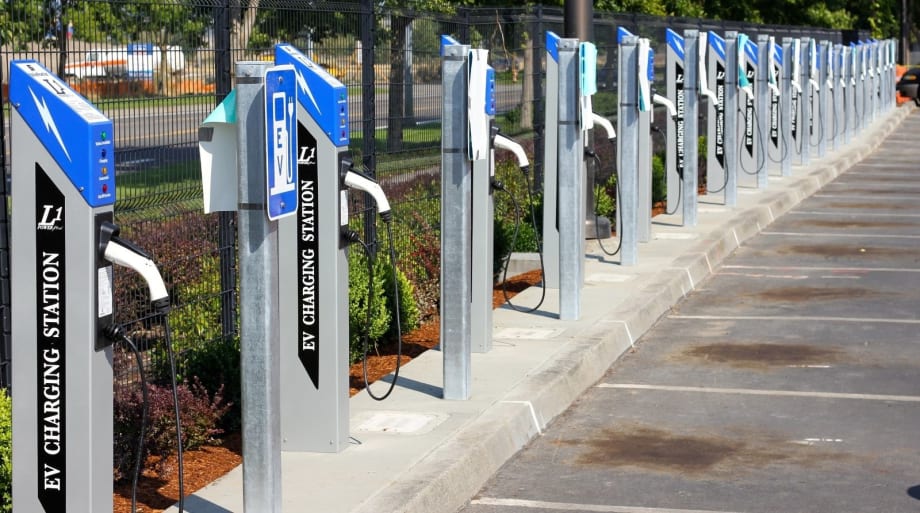
A key priority in the bill is spending $7.5 billion to build a national network of 500,000 electric vehicle (EV) charging stations.

Creative Commons
The U.S. House of Representatives has passed the largest infrastructure package in decades earmarking $550 billion in infrastructure spending and offering key provisions for the auto industry.
A key priority in the bill is spending $7.5 billion to build a national network of 500,000 electric vehicle (EV) charging stations. The government plans to use the money to build EV chargers along highway cooridors to facilitate long-distance travel and within communities.
The legislation also set key safety deadlines for the U.S. Department of Transportation. The bill imposes deadlines for the DOT to issue rules on automatic shut off for keyless ignition systems, updated headlamp standards, and equipping vehicles with drunken driving and impaired driving prevention technology.
The bill also earmarks $65 billion to upgrade the nation’s electrical grid with new transmission lines and to support “the development, demonstration, and deployment of cutting-edge clean energy technologies,” reported the White House.
The country awaits a vote on the Biden Administration’s $1.75 trillion Build Back Better Act. This legislation includes a tax credit for union-built EVs, which automakers with non-unionized factories say is unfair.
House Majority Leader Steny Hoyer, predicts the legislation will pass before the Nov. 25 Thanksgiving holiday. House moderates reported in a statement that they will allow a vote no later than the week of Nov. 15.
More Dealer Ops

Ladies and Gentlemen, This Is a Dealership: Why the Fundamentals Still Decide Who Wins
A teaching moment by a legendary football coach happens to apply perfectly in the auto retail space. Learn what it is and how to use it to your store’s advantage.
Read More →
Timing the Market Can Hurt Long-Term Program Performance
For dealer-owned reinsurance entities, avoiding volatility entirely can mean falling behind inflation and missing market rebounds that drive long term surplus growth. Missing just a handful of strong market days can materially impact cumulative returns—an important reminder for long horizon trust and investment strategies.
Read More →
Dealer Ads and the FTC
The agency has made it clear in recent enforcement actions and warnings, in auto retail and other industries, that advertised prices must include all nonoptional costs to the consumer.
Read More →
Used Autos Supply Dwindles
The March shopping surge, despite high prices, cut into inventory by the most since the thick of the pandemic, Cox Automotive analysts calculated.
Read More →
Managing Risk Effectively Through Changing Times
The variables influencing risk pricing have changed significantly over the past five years. Being proactive and responsive to emerging trends is not optional but essential.
Read More →
Survey Reveals What Won't Fix What's Breaking Car Sales
AutoPayPlus says extra-long auto loans are trapping consumers and threatening the dealer trade-in cycle, and that the industry is leveraging the wrong tools to combat high MSRPs.
Read More →
IA American Appoints Two Execs
Senior vice presidents of the company's agent and dealer channels chosen to support general agents and help auto dealers with sales and performance.
Read More →
Cox Automotive Acquires Inspection Firm
Full ownership of Alliance Inspection Management, or AiM, meant to unlock growth for Manheim inspection capabilities
Read More →
Assurant Expands Partnership With Holman
Extended collaboration delivers training, products and performance development to 30 newly acquired Holman dealerships
Read More →
Franchises, Throughput Down in First Half
A handful of states see franchise growth through June, while EV sales per store boost overall business in U.S.
Read More →