



NIADA Leads Effort to Support PART Act
Association heads coalition of industry groups urging congress to act on bill to fight catalytic converter theft.

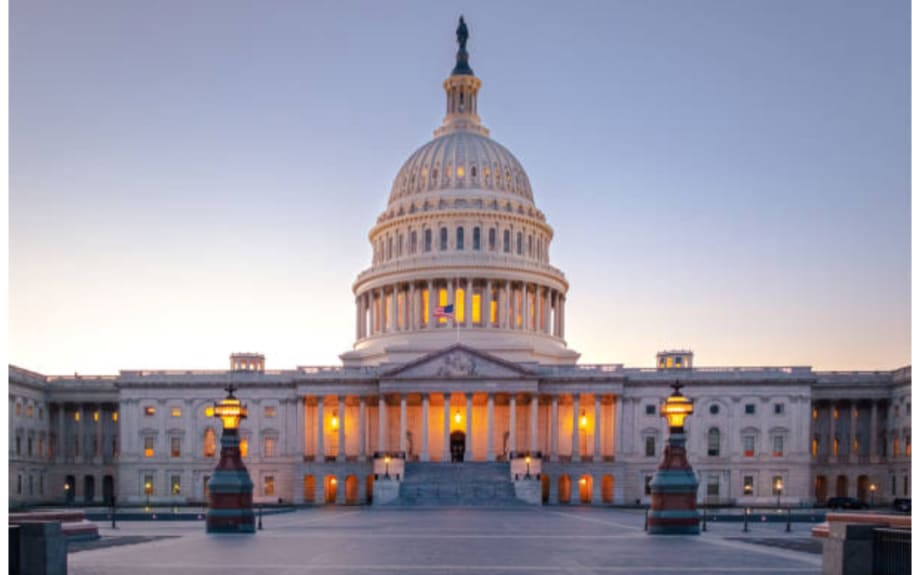
Association heads coalition of industry groups urging congress to act on bill to fight catalytic converter theft.
ARLINGTON, Texas – The National Independent Automobile Dealers Association led a partnership of automotive and transportation industry associations in drafting a letter to Congress strongly supporting H.R. 6394, the Preventing Auto Recycling Theft (PART) Act, a bill designed to combat the growing national problem of catalytic converter theft.
The National Automobile Dealers Association, American Car Rental Association, American Truck Dealers, American Trucking Associations and National RV Dealers Association are among the 13 organizations that joined NIADA in signing the letter, which was sent to House Energy and Commerce Committee chairman Rep. Frank Pallone (D-N.J.) and the committee’s ranking Republican, Rep. Cathy McMorris Rodgers (R-Wash.) on May 16, during National Police Week.
“Congress must pass H.R. 6394,” NIADA CEO Robert Voltmann said. “It is a critical piece of legislation to combat catalytic converter theft."
“During Police Week, it’s even more important to highlight how this legislation provides local law enforcement with the necessary support needed to combat rising catalytic converter theft.”
The letter points out the sharp rise in catalytic converter thefts – up 325 percent in 2020, according to the National Insurance Crime Bureau, and likely surpassing that in 2021 – and notes that replacements can cost victims as much as $2,500.
The bill, introduced by Rep. Jim Baird (R-Ind.), would require new vehicles to have unique, traceable ID numbers stamped on catalytic converters at the time of assembly, as well as creating a grant program to stamp VINs on the catalytic converters of existing vehicles, improving record-keeping standards for purchasers of used catalytic converters and making theft, sale, trafficking or known purchase of a stolen catalytic converter theft a federal crime punishable by up to five years in prison.
The bill follows the lead of new laws in 10 states designed to deter catalytic converter theft, but the letter says “a federal framework is needed … because this crime frequently involves trafficking stolen parts across state lines.”
The letter closes by urging the House Energy and Commerce Committee “to support and hold a hearing on this bipartisan legislation.”
More Compliance

Dealer Ads and the FTC
The agency has made it clear in recent enforcement actions and warnings, in auto retail and other industries, that advertised prices must include all nonoptional costs to the consumer.
Read More →
AAMS Training and Mosaic Compliance Services Merge
The strategic combination is intended to expand technology-driven compliance solutions for the automotive industry.
Read More →
The Jurisprudence of Pricing
Legal concept helps makes sense of California’s recently passed version of the failed federal CARS legislation.
Read More →
Trump 2.0 and Enforcement Priorities
The upshot is don’t relax, because regulation indeed continues.
Read More →
June Is Automotive Service Professionals Month
Observance is opportunity to thank technicians for their crucial role in auto retail.
Read More →
Cox Automotive Releases Compliance Guide
New edition walks auto dealers through relevant regulations for 2025.
Read More →
Trump 2.0 and Retail Automotive
Administration’s plans should generally bode well for the industry.
Read More →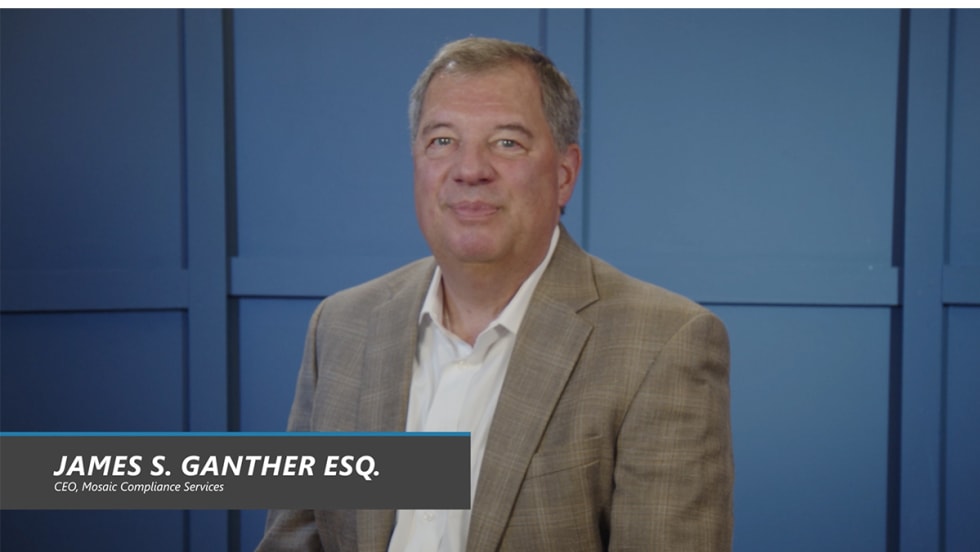
CARS Rule Update: 5th Circuit Oral Arguments Recap
In this video, Jim Ganther of Mosaic Compliance Services, recaps the key takeaways from the oral arguments in the critical CARS Rule case, including potential outcomes and what dealers should do to stay ahead of compliance changes.
Read More →
State of the CARS Rule, Part 3
The players in the automotive industry should coordinate their responses to this pending regulation.
Read More →
The Future of Car Dealer Documents
Where forms, documents, agreements and contracts could be in 50 years.
Read More →