



Used Vehicle Prices Drop as Other Costs Remain High
The most recent Consumer Price Index from the U.S. Bureau of Labor Statistics shows a slight but promising decline in used car prices.

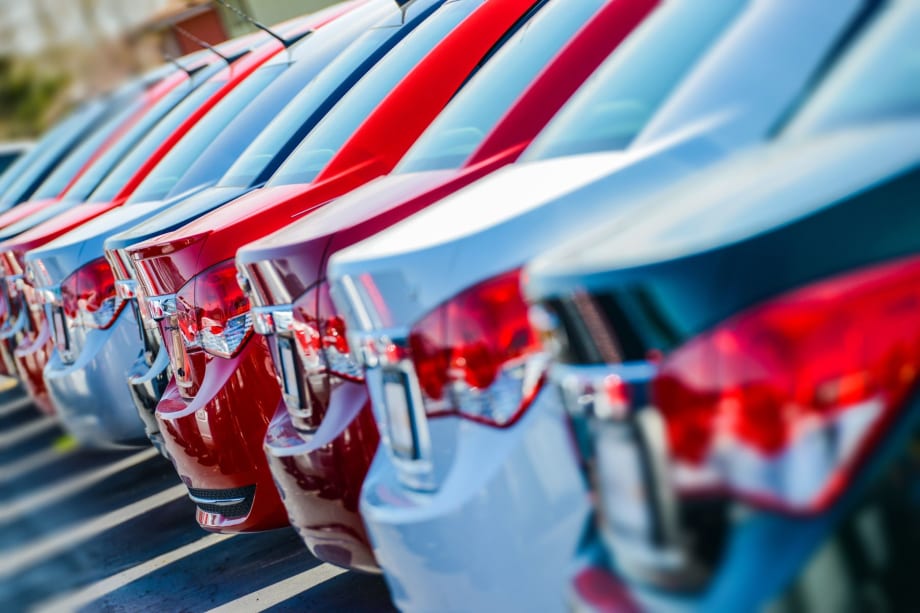
The most recent Consumer Price Index from the U.S. Bureau of Labor Statistics shows a slight but promising decline in used car prices.
IMAGE: Getty Images
Vehicle prices have skyrocketed to record prices since the pandemic began because of reduced inventory amid heightened demand. But there’s a silver lining appearing in the clouds—at least for used car buyers, finds the most recent Consumer Price Index (CPI) from the U.S. Bureau of Labor Statistics.
The November CPI shows a slight but promising decline in used car prices. The report reveals that while the overall CPI rose over 7% year over year in November, used car prices fell 3.3% from 2021 prices.
This news follows reports that wholesale prices for used cars dropped 15.6% since January, according to the Manheim Used Vehicle Value Index. In normal times, a wholesale drop would have driven a faster decline in used car prices. But demand for vehicles remains high, and dealers hold inventory they purchased at far higher prices, so used car vehicle prices will drop slowly over time.
Though used car prices show some pricing promise, transaction prices for new vehicles remain elevated with no signs of falling. In fact, the average new car transaction price rose slightly to $48,281 in October and many new models still sell for over MSRP.
Dropping prices are a boon for buyers but not for used car retailers. Carvana stock tanked recently, and CarMax has reported selling 15,000 fewer vehicles this year than in 2021.
Economic conditions remain poor as well, which also could affect new and used vehicle sales.
The CPI reports the food index increased 0.5% in November, with the food at home index also rising 0.5%. The energy index decreased 1.6% as did the gasoline index, natural gas index, and electricity index in November.
However, the index for all other items rose 0.2% in November, after rising 0.3% in October. The indexes for shelter, communication, recreation, motor vehicle insurance, education, and apparel were among those that increased in the last 30 days. Only used cars and trucks, medical care, and airline fares indexes dropped in November.
Over the last 12 months, the “all items less food and energy index” rose 6%, while the energy index increased 13.1%, and the food index increased 10.6%.
More Dealer Ops

Dealer Debrief: August Auto Sales
Gas-powered engines still dominate the U.S. vehicle market, but hybrids are gaining ground as consumers look for ways to cut their gas costs.
Read More →
Dealership Profits Decline
While new and used retail sales stagnated, dealerships have been particularly supported by fixed operations and finance-and-insurance profits, according to a new report.
Read More →
Dealer Debrief: Defection Data & EV Updates
In this week's debrief, host Lauren Lawrence discusses how to use defection data to your advantage and the latest on EV sales and charging infrastructure.
Read More →
How Defection Data is Bridging the Dealership Conversion Gap
Lead volume is flat, cross-shopping is up and brand loyalty is in retreat. As confident sales teams keep losing buyers they thought they had, daily industry sales data is showing dealers exactly where their funnel is breaking and how to fix it without buying a single new lead.
Read More →
Dealer Debrief: Where are you losing customers?
In this week's debrief, host Lauren Lawrence discusses the hidden leaks in dealerships where you might be losing customers without even realizing it.
Read More →
Dealer Debrief: Improving Your Inventory Management
In this week's debrief, host Lauren Lawrence covers a new survey that shows what service technicians really want and two launches that could help improve your inventory and vehicle life cycle management.
Read More →
Ladies and Gentlemen, This Is a Dealership: Why the Fundamentals Still Decide Who Wins
A teaching moment by a legendary football coach happens to apply perfectly in the auto retail space. Learn what it is and how to use it to your store’s advantage.
Read More →
Dealer Ads and the FTC
The agency has made it clear in recent enforcement actions and warnings, in auto retail and other industries, that advertised prices must include all nonoptional costs to the consumer.
Read More →
Used Autos Supply Dwindles
The March shopping surge, despite high prices, cut into inventory by the most since the thick of the pandemic, Cox Automotive analysts calculated.
Read More →
Managing Risk Effectively Through Changing Times
The variables influencing risk pricing have changed significantly over the past five years. Being proactive and responsive to emerging trends is not optional but essential.
Read More →