



Americans Keeping ICE Vehicles Longer
S&P Global Mobility research finds the average age of gas-powered U.S. cars and light trucks has climbed to 12.5 years.

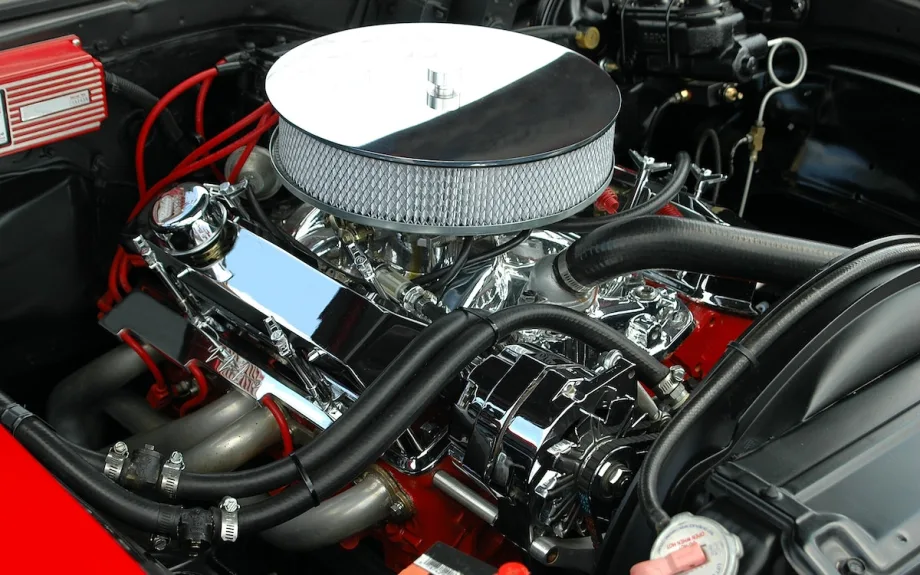
Supply constraints on new vehicle inventories and inflation and higher interest rates are causing Americans to hold on to gas-powered vehicles longer.
Hebert Santos
A recent study conducted by S&P Global Mobility reveals that Americans, in the final stages of the COVID pandemic, are holding onto their combustion-engine vehicles for longer periods.
The study highlights that the average age of cars and light trucks in the United States has reached a record high of 12.5 years. This trend can be attributed to several factors:
Supply constraints on new vehicle inventories because of pandemic impacts on manufacturing
Decreased consumer demand from inflation and higher interest rates.
However, the study also predicts the average vehicle age is expected to decrease in the coming year, despite six consecutive years of vehicle age increases. As supply chains stabilize and demand for new vehicles rebounds, with projected sales exceeding 14.5 million in 2023, the average age of vehicles is likely to decline, according to the report.
Interestingly, electric vehicles (EVs) defy this aging trend, finds the S&P research. The average age of battery electric vehicles (BEVs) in the United States has actually decreased slightly from 3.7 years in 2022 to 3.6 years. This age range has remained relatively consistent, hovering between 3 and 4 years since 2017.
The study attributes this phenomenon to the rapid growth in BEV sales, which increased by 58% in 2022. The higher influx of new EVs helps maintain a younger average age within the EV sector, even though a larger proportion of EVs are exiting the overall vehicle population when compared to combustion-engine vehicles.
From 2013 to 2022, the study notes that 6.6% of BEVs in operation were taken out of commission, while only 5.2% of combustion vehicles were removed from the fleet. This data indicates EVs experience a slightly higher turnover rate, potentially because of advancements in technology and consumer preferences for newer EV models.
The study by S&P Global Mobility shows Americans extended the lifespan of their combustion-engine vehicles during the COVID pandemic, leading to a record average vehicle age. However, the average age is expected to decrease soon with the recovery of new vehicle availability and renewed consumer demand.
In contrast, EVs maintain a younger average age, owing to the surge in BEV sales despite a larger percentage of EVs leaving the overall vehicle population compared to traditional combustion-engine vehicles.
More Dealer Ops

How to Avoid Phone Scams | Dealer Debrief 09/10/2026
Are you taking the necessary steps to protect your dealership and customer data from phone-based scams? This week's Dealer Debrief breaks down how!
Read More →
Dealer Debrief: August Auto Sales
Gas-powered engines still dominate the U.S. vehicle market, but hybrids are gaining ground as consumers look for ways to cut their gas costs.
Read More →
Dealership Profits Decline
While new and used retail sales stagnated, dealerships have been particularly supported by fixed operations and finance-and-insurance profits, according to a new report.
Read More →
Dealer Debrief: Defection Data & EV Updates
In this week's debrief, host Lauren Lawrence discusses how to use defection data to your advantage and the latest on EV sales and charging infrastructure.
Read More →
How Defection Data is Bridging the Dealership Conversion Gap
Lead volume is flat, cross-shopping is up and brand loyalty is in retreat. As confident sales teams keep losing buyers they thought they had, daily industry sales data is showing dealers exactly where their funnel is breaking and how to fix it without buying a single new lead.
Read More →
Dealer Debrief: Where are you losing customers?
In this week's debrief, host Lauren Lawrence discusses the hidden leaks in dealerships where you might be losing customers without even realizing it.
Read More →
Dealer Debrief: Improving Your Inventory Management
In this week's debrief, host Lauren Lawrence covers a new survey that shows what service technicians really want and two launches that could help improve your inventory and vehicle life cycle management.
Read More →
Ladies and Gentlemen, This Is a Dealership: Why the Fundamentals Still Decide Who Wins
A teaching moment by a legendary football coach happens to apply perfectly in the auto retail space. Learn what it is and how to use it to your store’s advantage.
Read More →
Dealer Ads and the FTC
The agency has made it clear in recent enforcement actions and warnings, in auto retail and other industries, that advertised prices must include all nonoptional costs to the consumer.
Read More →
Used Autos Supply Dwindles
The March shopping surge, despite high prices, cut into inventory by the most since the thick of the pandemic, Cox Automotive analysts calculated.
Read More →