



Speedy Statistics Broken Down
Report shows groups most likely to be involved in speed-related incidents.


The Honda Civic topped all models on speed-related incidents in the 50 biggest U.S. cities.
Honda
A finance industry analysis revealed the most speed-prone demographics that present vulnerabilities to higher insurance premiums.
The LendingTree report indicates Portland, Ore. Is the most speed-prone of the biggest 50 U.S. cities, as measured by the number of speed-related incidents per 1,000 drivers. Portland drivers had about 12 incidents per 1,000.
The North Carolina-based online lending marketplace doesn’t use the term “crash” or “accident” in the report, so the statistic likely includes citations for speeding without a collision.
Not surprisingly given their youth, the study found Generation Z drivers the most likely to be involved in speed-related incidents, also with about 12 per 1,000 drivers, easily surpassing millennials, who have about seven per 1,000. Baby boomers had the lowest rate at three per 1,000.
The distinction can bring painful repercussions. LendingTree says speeding incidents in the biggest cities make speeders’ average annual insurance premiums about $600 higher.
More important, it’s risky. “Speeding is one of the leading factors in fatal traffic collisions,” said LendingTree auto insurance expert Rob Bhatt. “We could save thousands of lives each year if speeders slowed down.”
Broken down by brand, Subaru drivers are oddly the fastest, according to the report, with about eight incidents per 1,000 drivers, followed closely by BMW drivers, at seven per 1,000, and Infiniti drivers at about the same rate.
At the more specific model level, Honda Civic drivers had the highest incident rate at nine per 1,000, in a virtual tie with Volkswagen Jetta and Chevrolet Camaro drivers.
LEARN MORE: Freeway Speeding Can Endanger Communities
More Industry
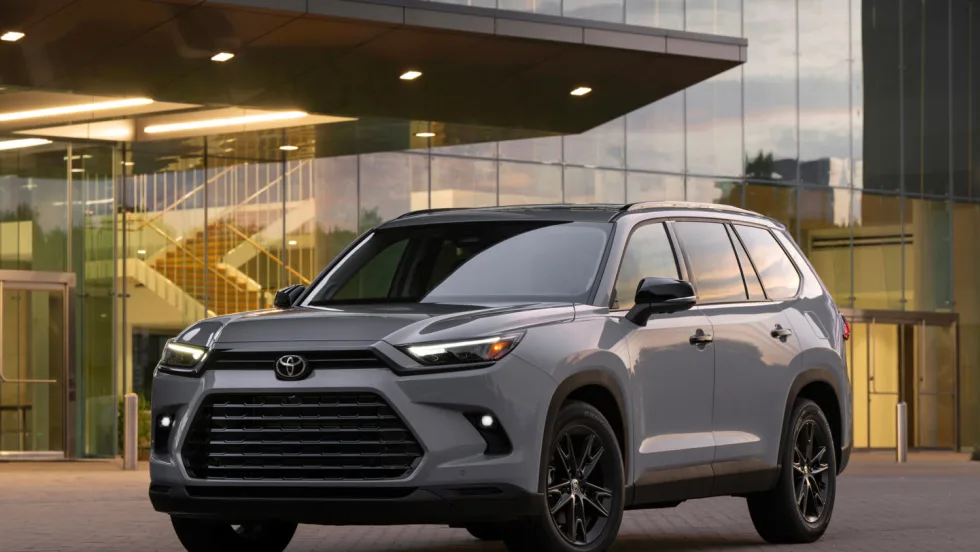
Savings Seekers Boost U.S. Automakers’ Rivals
As consumers here look for ways to curb inflation’s affect on their budgets, brands offering plenty of alternative powertrains are closing in on home-grown OEMs.
Read More →
The Slow Electric Ascent
Second-quarter data show that the electric-vehicle market in the U.S. is inching up, the majority of states seeing a month-over-month increase.
Read More →
Safer Rides & Cyberattacks
Vehicle crash testing is getting a virtual boost, but auto dealerships are facing increased cyberattacks. Learn more in this week's Dealer Debrief!
Read More →
Affordability Angst | Dealer Debrief
August saw little relief for car buyers, whether they were shopping new or used. Take a look at the month's breakdown in this week's Dealer Debrief!
Read More →
Virtual Crash Testing in the Works
A company's platform works alongside physical crash testing to gather insights into occupant response and injury mechanisms, with the idea of helping automakers develop safer vehicles.
Read More →
Tariff Tiff Examined
Some auto industry leaders are taking a relaxed view of the U.S.-Canada trade war while others worry that a dramatically adjusted playing field could mean too much collateral damage.
Read More →
EV Consideration Climbs
Despite the loss of federal EV incentives, interest has grown in the U.S., largely thanks to charging infrastructure improvements.
Read More →
August Auto Angst
The hot month brought hot-to-the-touch vehicle prices in the U.S. as consumers dived for more affordable models but found higher price tags to go with them.
Read More →
Arizona Stores in New Hands
The two franchises bring continued growth for a homegrown automotive group in its third generation of family ownership.
Read More →
Two New Rides Earn Safety Awards
Thanks to vehicle redesigns, two more vehicles have earned IIHS’ Top Safety Pick+ award that builds on the criteria of the lower Top Safety Pick award.
Read More →