



Vehicle Sales to Post 5-Year High
Various conditions combined to pull consumers from the sidelines.


Cox predicts 2025 sales to grow by about 3%.
Pexels/Vadutskevich
Defying the odds of inflated prices for cars and many other commodities, along with high interest rates, U.S. new-vehicle sales are on track for their best year since before the pandemic.
Cox Automotive’s Kelley Blue Book estimates a 2% year-over-year sales increase to 15.9 million units, slightly exceeding the 15.7 million it projected as the year started.
Replenished inventory paired with generous incentives coaxed more consumers to trade, as pent-up demand met improved conditions, which also included a series of interest rate cuts this fall, the first in four years. Political certainty following the November election added to a late-year buying surge.
Cox forecasts the December sales pace alone to be up more than half a million units year-over-year to about 16.5 million units.
“Many buyers who thought it best to wait to get the best deal are realizing that now is the time to buy before new administration policy changes are implemented,” said Cox Senior Economist Charlie Chesbrough in a press release.
He pointed out that the incoming Trump administration has targeted elimination of federal electric-vehicle tax credits and plans to impose stiff tariffs on trade with China, both factors many consumers see as the makings for higher vehicle prices.
Cox estimates EV sales, aided by the jump in consumers taking advantage of the tax credits, will set a record for the year at about 1.3 million units, though EV market leader Tesla’s sales are expected to be down for the first time since 2014.
Among brands benefiting from the sales surge, General Motors is coming out the biggest winner, according to Cox. The Detroit automaker hung on to the top sales position this year with a projected 2.7 million units sold, up 4% year-over-year.
Cox said all major automakers enjoyed sales gains except Stellantis and Tesla, though it said Honda increased its market share by half a point on 20%-plus sales gains on its lowest priced models.
Looking to next year, Cox predicts new-vehicle sales to grow about 3%.
More Industry

U.S. EV Market Update | Dealer Debrief
The U.S. electric vehicle market is slowly recovering from the loss of the federal EV tax credit last fall. Learn more in this week's Dealer Debrief!
Read More →
Auto Finance Numbers Set Records
Third-quarter data show how consumers are adapting to ongoing affordability challenges facing the new- and-used-vehicle markets.
Read More →
Auto Dealerships Can’t Afford to Ignore the 50+ Consumer
Younger generations may be all the buzz today when it comes to product marketing targets, but their older cohorts command a sizable share of purchasing power.
Read More →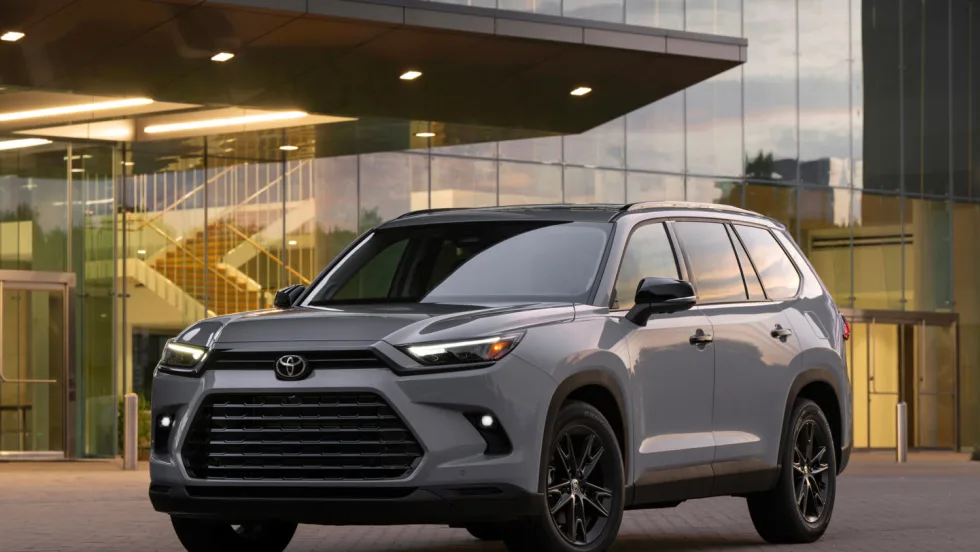
Savings Seekers Boost U.S. Automakers’ Rivals
As consumers here look for ways to curb inflation’s affect on their budgets, brands offering plenty of alternative powertrains are closing in on home-grown OEMs.
Read More →
The Slow Electric Ascent
Second-quarter data show that the electric-vehicle market in the U.S. is inching up, the majority of states seeing a month-over-month increase.
Read More →
Safer Rides & Cyberattacks
Vehicle crash testing is getting a virtual boost, but auto dealerships are facing increased cyberattacks. Learn more in this week's Dealer Debrief!
Read More →
Affordability Angst | Dealer Debrief
August saw little relief for car buyers, whether they were shopping new or used. Take a look at the month's breakdown in this week's Dealer Debrief!
Read More →
Virtual Crash Testing in the Works
A company's platform works alongside physical crash testing to gather insights into occupant response and injury mechanisms, with the idea of helping automakers develop safer vehicles.
Read More →
Tariff Tiff Examined
Some auto industry leaders are taking a relaxed view of the U.S.-Canada trade war while others worry that a dramatically adjusted playing field could mean too much collateral damage.
Read More →
EV Consideration Climbs
Despite the loss of federal EV incentives, interest has grown in the U.S., largely thanks to charging infrastructure improvements.
Read More →