



A Measured Approach
Shifting to neutral on power train strategy makes more sense as we look to automotive retail’s future.


Manufacturers had already pivoted to a more realistic vision of power train by choice.
Pexels/Negative Space
In the past couple of years, electric vehicles became a political issue as both the auto industry and consumers felt pressure to accelerate adoption. I got the impetus behind the push: the need to slow pollution, which is never a bad idea, in my mind.
The U.S. also saw the need to compete with the rapidly rising Chinese auto industry, which has pulled ahead on EV development, production and sales. China-based automaker BYD passed U.S. EV market leader Tesla in global sales last year.
One by one, U.S. automakers made plans for all-EV lineups by next decade, and California banned the sale of new gas-powered vehicles in 2035, a move followed by 11 other states. But consumer demand failed to rise with the expectations. ISeeCars.com declared in July that EVs have peaked in the U.S. after starting to flatten late last year.
Manufacturers had already pivoted to a more realistic vision of power train by choice – offer all of the types and let the consumer pick from among them, a very democratic, capitalistic concept.
The Trump administration has taken a car crusher to various EV incentives, from federal tax breaks, which will now expire in October, to pulling previously approved federal funding to states for EV charger development. In June a federal judge ordered the administration to reverse the latter in 14 states that sued over the freeze. Congress, meanwhile, killed California’s zero-emissions vehicle mandate.
While I think it makes sense to incentivize clean energy in whatever form, recalibrating the approach to EV development seems like a wise correction.
I was talking with a friend recently about wishing I’d bought a hybrid years ago. I didn’t want to be a guinea pig but feel now that I waited too long. We both agreed that we’re uncomfortable with the idea of a purely electric model for charge-range anxiety reasons. In addition to higher prices for new EVs, insufficient public chargers in less-developed areas is a top impediment to adoption.
Now that the American foot has eased up on the EV accelerator, it seems there should be time to get all of the infrastructure in place for those who want to make the switch. Others can opt for hybrids or different clean technologies, like biodiesel and hydrogen if those models end up making practical sense.
Hopefully as group, we’ll clear the air while also retaining consumer discretion.
More Industry
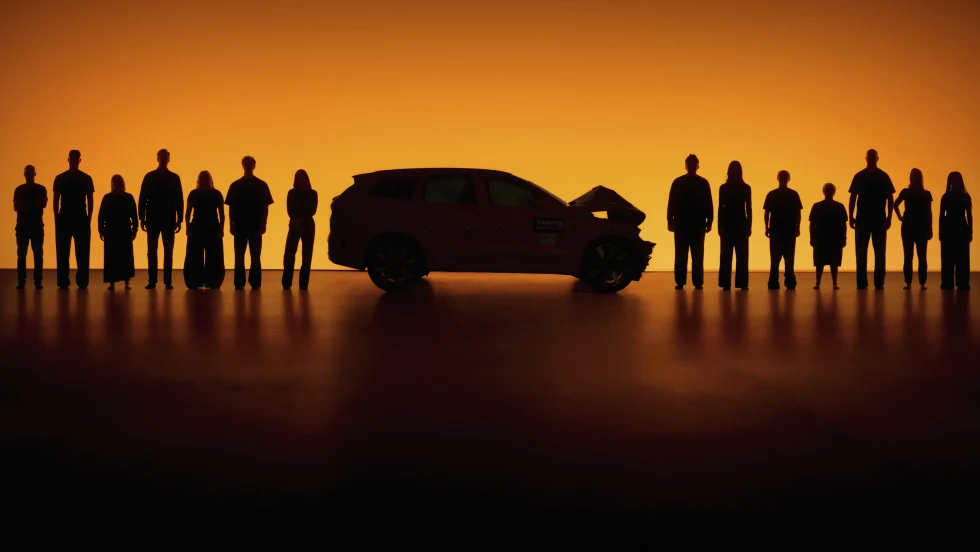
Automaker Advances Safety for All
A new report by Volvo Cars Safety Centre analyzed the impact of 50 years' worth of research in automotive safety development
Read More →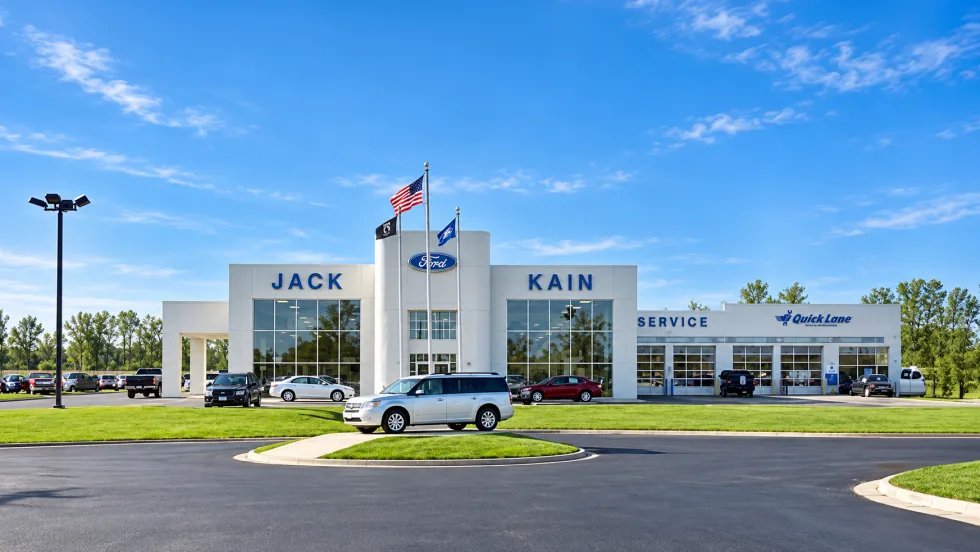
Kentucky Store Leaves Family
An auto group stretched across three states picked up the Lexington-area Ford fixture as its second store for the brand in the state.
Read More →
U.S. Auto Brands Falling Behind
Asian auto brands are outpacing U.S. brands in stateside new-vehicle sales. Learn more in this week's Dealer Debrief with Lauren!
Read More →
U.S. EV Market Update | Dealer Debrief
The U.S. electric vehicle market is slowly recovering from the loss of the federal EV tax credit last fall. Learn more in this week's Dealer Debrief!
Read More →
Auto Finance Numbers Set Records
Third-quarter data show how consumers are adapting to ongoing affordability challenges facing the new- and-used-vehicle markets.
Read More →
Auto Dealerships Can’t Afford to Ignore the 50+ Consumer
Younger generations may be all the buzz today when it comes to product marketing targets, but their older cohorts command a sizable share of purchasing power.
Read More →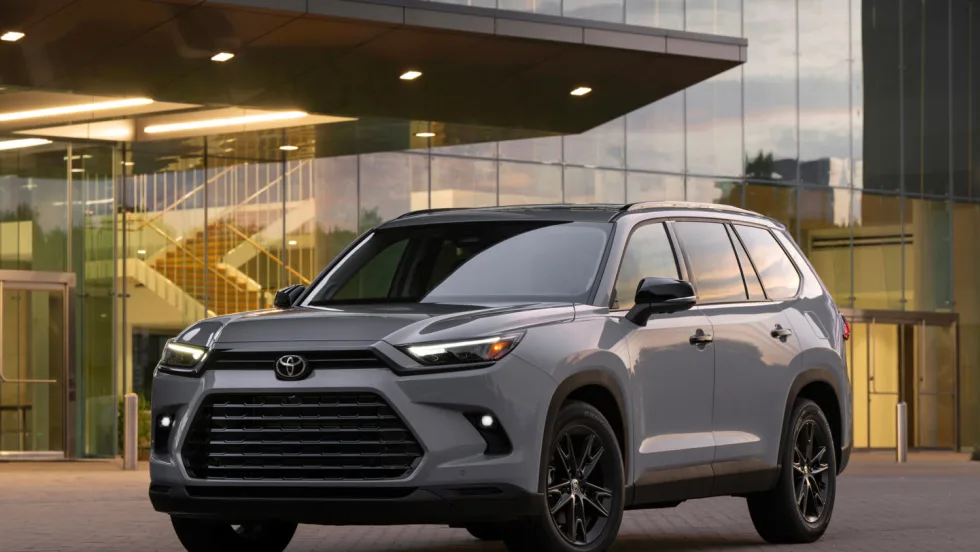
Savings Seekers Boost U.S. Automakers’ Rivals
As consumers here look for ways to curb inflation’s affect on their budgets, brands offering plenty of alternative powertrains are closing in on home-grown OEMs.
Read More →
The Slow Electric Ascent
Second-quarter data show that the electric-vehicle market in the U.S. is inching up, the majority of states seeing a month-over-month increase.
Read More →
Safer Rides & Cyberattacks
Vehicle crash testing is getting a virtual boost, but auto dealerships are facing increased cyberattacks. Learn more in this week's Dealer Debrief!
Read More →
Affordability Angst | Dealer Debrief
August saw little relief for car buyers, whether they were shopping new or used. Take a look at the month's breakdown in this week's Dealer Debrief!
Read More →