



At the Vanguard
Check out three futuristic utility concepts from Detroit, Japan and Brazil.

Nimbus e-Car
Part VW minibus, part moon rover, the Nimbus e-Car concept springs from the mind of Brazilian artist and designer Eduardo Galvani. Built from lightweight materials such as carbon fiber and aluminum, the e-Car was designed for short-distance hauls in urban areas and extended trips across varied terrain. A 130-kilowatt (180-horsepower) electrical engine and lithium-ion battery would work in combination with a micro combustion generator that would constantly charge the batteries.
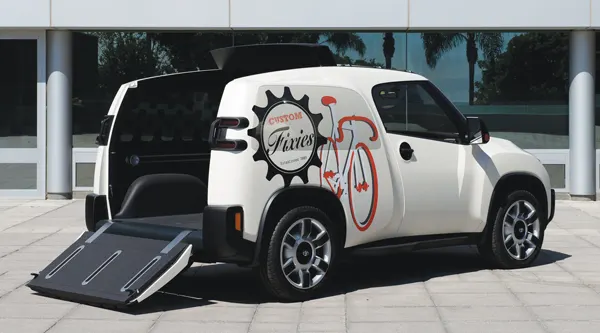
Toyota Urban Utility
Toyota says “a growing innovative spirit in urban areas” inspired its latest concept vehicle. The Urban Utility (a.k.a. U2) features a rollback roof and tailgate ramp, customizable interior and a versatile rail system. The cabin will include a retractable utility bar that can hold a desk or hooks for grocery bags, side windows that flip up for easy access, and a shifter design with an intuitive switch for drive, reverse and park.
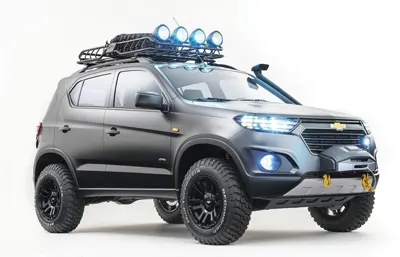
Chevrolet Niva
The Chevrolet Niva may look like the crossover SUV of the future, but its heritage stretches back to the 1970s. Based on the ageless Lada Niva, this concept vehicle was created by a partnership between General Motors and Russian manufacturer AvtoVAZ. If it makes it to the production line, off-road enthusiasts will love the Niva’s winch, tow hooks, snorkel, underbody cladding and roof rack. The production version would house a 1.8-liter, four-cylinder engine rated at around 135 horsepower.
More Dealer Ops

How to Avoid Phone Scams | Dealer Debrief 09/10/2026
Are you taking the necessary steps to protect your dealership and customer data from phone-based scams? This week's Dealer Debrief breaks down how!
Read More →
Dealer Debrief: August Auto Sales
Gas-powered engines still dominate the U.S. vehicle market, but hybrids are gaining ground as consumers look for ways to cut their gas costs.
Read More →
Dealership Profits Decline
While new and used retail sales stagnated, dealerships have been particularly supported by fixed operations and finance-and-insurance profits, according to a new report.
Read More →
Dealer Debrief: Defection Data & EV Updates
In this week's debrief, host Lauren Lawrence discusses how to use defection data to your advantage and the latest on EV sales and charging infrastructure.
Read More →
How Defection Data is Bridging the Dealership Conversion Gap
Lead volume is flat, cross-shopping is up and brand loyalty is in retreat. As confident sales teams keep losing buyers they thought they had, daily industry sales data is showing dealers exactly where their funnel is breaking and how to fix it without buying a single new lead.
Read More →
Dealer Debrief: Where are you losing customers?
In this week's debrief, host Lauren Lawrence discusses the hidden leaks in dealerships where you might be losing customers without even realizing it.
Read More →
Dealer Debrief: Improving Your Inventory Management
In this week's debrief, host Lauren Lawrence covers a new survey that shows what service technicians really want and two launches that could help improve your inventory and vehicle life cycle management.
Read More →
Ladies and Gentlemen, This Is a Dealership: Why the Fundamentals Still Decide Who Wins
A teaching moment by a legendary football coach happens to apply perfectly in the auto retail space. Learn what it is and how to use it to your store’s advantage.
Read More →
Dealer Ads and the FTC
The agency has made it clear in recent enforcement actions and warnings, in auto retail and other industries, that advertised prices must include all nonoptional costs to the consumer.
Read More →
Used Autos Supply Dwindles
The March shopping surge, despite high prices, cut into inventory by the most since the thick of the pandemic, Cox Automotive analysts calculated.
Read More →