



Declining Warranty Revenues Creates New Profit Opportunities
Don Reed - Let’s take a look at the aftermarket competition to better understand what dealerships are up against...

In their on-going efforts to cut costs, many automakers are reducing warranty coverage on 2005 and 2006 models, including the elimination of free maintenance services. Many dealers will choose to look at this development as another example of how the automakers are taking profits away from their dealerships while the more proactive, successful dealers will choose to welcome this development as a profit opportunity. Every dealer has the opportunity to make this choice, but perhaps more importantly, every customer will have the opportunity to make a choice as well. Since they now have to pay for the maintenance services, will they continue to take their vehicle to their new car dealer, or will they take it to an aftermarket service facility? Let’s take a look at the aftermarket competition to better understand what dealerships are up against. Based on the Bureau of Economic Analysis figures for 2004, the independent general mechanical repair facilities generated total sales of about $32 billion. If you add in specialty repair facilities, oil change facilities, and transmission repair facilities, the total is closer to about $45 billion in total sales generated by 79,695 independent aftermarket repair facilities. These facilities serviced more than 216 million motor vehicles including 70 percent (118 million) of warranty vehicles whose owners chose to take their vehicle to an aftermarket service facility for maintenance versus their dealership. According to the National Automobile Dealers Association, the approximately 21,650 new car dealers generated about $30 billion in labor and parts sales. Now combine the aftermarket with the dealers and we have a total market volume of about $75 billion in parts and service sales with the dealers getting about 40 percent and the aftermarket picking up the remaining 60 percent. As anyone can see, the aftermarket has almost four times as many locations as new car dealers which makes them more convenient for the customer. The new car dealer can compete with the aftermarket by effectively communicating with their customers to ensure owner loyalty.

Owner loyalty begins with the communication during the sale process with their salesperson, sales manager and F&I manager. During this process the customer must be given a service, and tour introducing them to the “finest service advisors in town.” They must also be given a thorough explanation of the manufacturer’s recommended maintenance schedule as well as the dealer’s own Maintenance Menu, and of course schedule their first appointment in 90 days.
Owner loyalty continues to grow every time the customer speaks to a professionally trained service advisor who actually knows how to advise. This starts with a good phone training program whereby the advisor learns how to sell more appointments to build the dealer’s repair order count year over year. This is critical since 80 percent of a dealer’s customer pay repair orders are coming from the phones. Next, the advisor must professionally meet and greet the customer in the service drive, perform a complete vehicle walk-around, review a maintenance menu with every customer and inform them of the courtesy inspection that will be performed on their vehicle at no charge. This is what I refer to as “training the customer.” Over time, the customer will come to expect this high level of service on each and every visit to their dealership.
Owners always want to know what was done to their vehicle, so an active delivery must be performed by the advisor to properly communicate the condition of their vehicle, what caused the condition and how you corrected (three C’s) the cause. This should never be done by a cashier and should always by done by the advisor.
Owner loyalty can also be controlled further by scheduling the customer’s next appointment before they leave the dealership. It must be given to them in writing, and there should be a system in place to advise them no less than three days prior to the appointment. Additionally, you must have a process for calling or e-mailing all no-shows for rescheduling.
Lastly, you must have an owner follow-up program. The average dealer today is spending around $475 to $500 in advertising to sell a vehicle. How much do you spend per owner, per month to keep them? Again, this is essential to maintaining loyal owners. The more often you get your name in front of your owners, the more often they will come back. If so, then why would you advertise to your service customers quarterly?
Now if you are a dealer or manager and this article is an outline of exactly what you are currently doing, then congratulations You are effectively competing with the aftermarket, and your declining warranty revenues will create a profit opportunity for increasing your fixed coverage. If not, then you need to realize that this is exactly what the aftermarket is doing to lure and keep your warranty customers loyal to them, which means that your declining warranty revenues will create a void in your service and parts gross profit, resulting in lower fixed coverage and profits.
“BIG THINGS ARE ACCOMPLISHED ONLY THROUGH THE PERFECTION OF THE MINOR DETAILS”
Vol 2, Issue 11
More Fixed Ops
The Fixed Ops Blind Spot | Dealer Debrief
Customer-pay repair orders only make up about 5% of a service department’s repair orders. Is your dealership missing out on this profitable service?
Read More →
The Fixed Ops Blind Spot
Customer-pay repair orders are profitability drivers for service departments, but many dealerships don't know how much of their business goes to them.
Read More →
ASE Invites Service Centers to Benchmark Performance
ASE Connects is gathering the data for its quarterly service snapshot report, which provides a comparison of service drives across the country.
Read More →
More Cars Recalled in First Half
The six months that kicked off the year saw an extended surge of the number of vehicles recalled, electrical issues leading the way again.
Read More →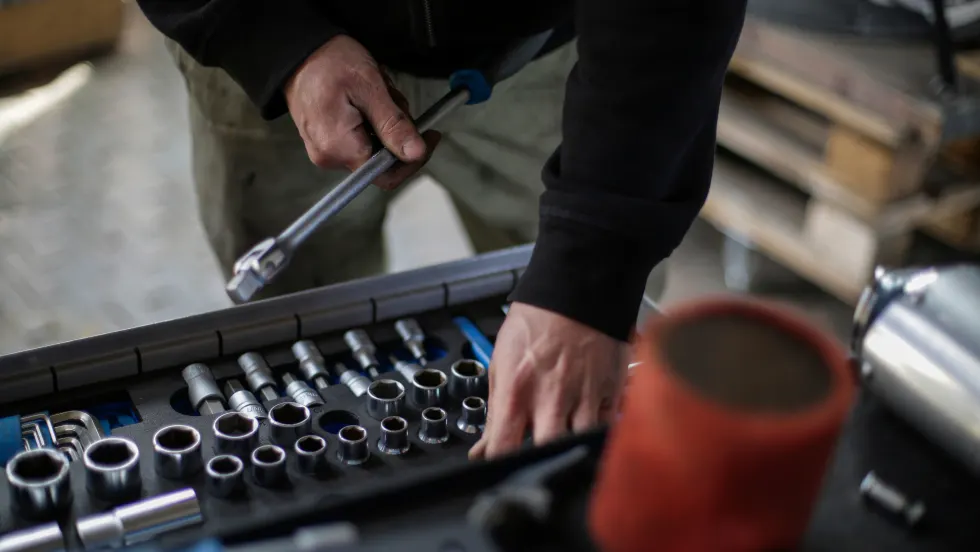
California Dealer Group Foundation Partners With ASE
CNCDA Foundation and ASE Connects collaboration is intended to build California's automotive technician workforce.
Read More →
Dealer Debrief: Fixed-Ops Opportunities
In this week's debrief, host Lauren Lawrence discusses maximizing your dealership's profitability with a focus on fixed operations.
Read More →
Dealer Debrief: Technician Apprenticeships
In this week's debrief, host Lauren Lawrence discusses a new grant for service tech apprenticeships and more industry workforce news.
Read More →
ASE Acquires WrenchWay
The auto technician certification nonprofit said the deal expands its role in workforce-development and support for current and future service professionals.
Read More →
TraXtion Introduces TireSpec Website Solution
The company says the offering enables consumers to snap a photo of their tire with a smartphone and receive an instant replacement quote, capturing 90% of tire shoppers who start their shopping online.
Read More →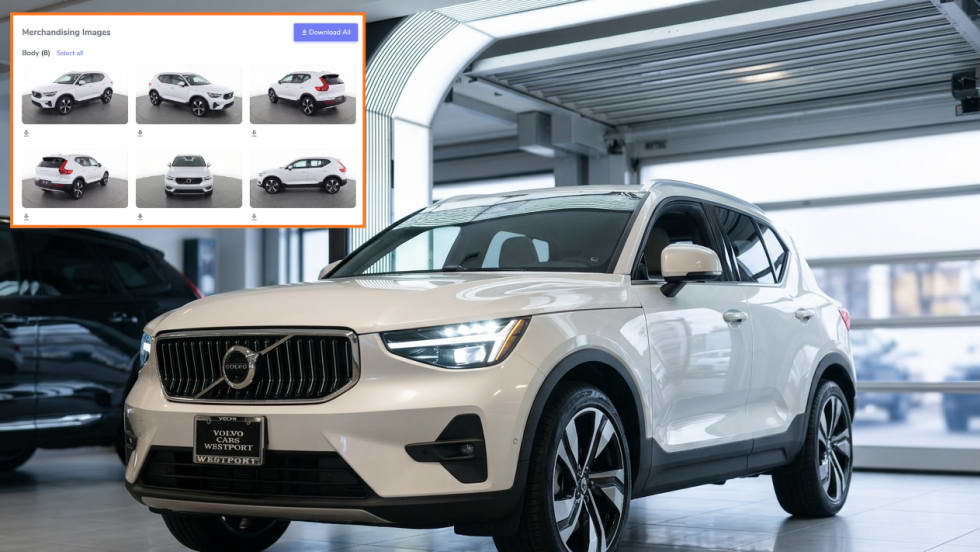
UVeye Launches Same-Day Vehicle Listings for Car Dealers
New 'Scan to Sold' offering turns the service lane into a website-ready merchandising photo booth designed to help dealerships reduce turnaround time from days to minutes.
Read More →