



DOL Overtime Rule 2020: Is Your Dealership Ready?
An assessment of the new overtime rule and the impact it may have on your dealership.

An assessment of the new overtime rule and the impact it may have on your dealership.
Photo©GettyImages.com/HowardOates
You likely heard that in September 2019, the U.S. Department of Labor announced changes to federal wage and hour regulations, that are commonly referred to as the “new overtime rule.” What has caused some confusion for dealers is that the “new” 2020 rule is different than the previous “new” rule that was scheduled to take effect on December 1, 2016, but never did.
Do not fall prey to continuing longstanding pay practices or basing compensation decisions on competitors’ pay practices.
For dealerships, the 2020 “new” rule may not have as big of an impact as you may think. Let’s break down the changes and assess the impact for your dealership.
1. What Has Changed?
The 2020 “new overtime rule” is a revised regulation of current overtime laws. The revised regulations are primarily an increase to the minimum weekly salary that employees must receive to be eligible for one of the “white-collar” exemptions. On January 1, 2020, the minimum weekly salary requirement for white-collar-exempt employees will increase to $684 per week, up from the current minimum weekly salary of $455 per week. The good news is that the salary increase is the only aspect of the white-collar exemptions that will change in 2020. The duties requirements, which examine whether the specific activities performed by the workers qualify them for the exemption, are unchanged.
2. What Are ‘White Collar’ Exemptions?
The white-collar exemptions include the executive, professional and administrative exemptions. An exemption means that the position may qualify to be exempt from the base rules regarding minimum wage and overtime. Dealership positions that most generally fall under one of the white-collar exemptions are general managers, department managers, controllers and human resources. Corporate offices may have additional positions affected by the new regulations.
To be eligible for an exemption, an employee’s primary job duties must meet both state and federal wage and hour law requirements (duties test), and the employee must be paid in a manner consistent with the legal requirements for the exemption (pay test). As with all exemptions, neither the job title nor the job description determines whether the employee qualifies for an exemption.
3. What DealershipPositions Are Affected?
To be clear, the only dealership positions affected by the 2020 changes are those treated as exempt under a white-collar exemption. The changes are not broad modifications to the dealership-specific exemptions. For example, salespersons, service advisors, finance managers, and parts persons who are paid salaries as some or all of their compensation are not affected by the 2020 change. Dealerships are not required to change or increase the salaries for those employed in these positions. Also, those employees paid by the hour are not affected, and the overtime rules for those hourly positions remain unchanged.
As you can see, the number of dealership positions potentially affected by the “new overtime rule” is relatively limited for small-to-midsized dealerships, with a slightly more significant impact to larger groups with more support operations. But don’t bury your head in the sand! Even if you performed an audit of your federal and state wage and hour compliance in preparation for the 2016 overtime rule, now is the time to conduct a new audit.
Finally, it’s important to review your current white-collar-exempt positions to determine if each one meets both the duties test and the pay test ($684 per week).
Here’s how to stay in compliance—First, review all dealership pay practices based upon current regulation changes. Do not fall prey to continuing longstanding pay practices or basing compensation decisions on competitors’ pay practices. Plus, make prompt changes to pay practices to avoid potential liability.
Lauren Sobaski is an associate in Fisher Phillips’ Kansas City office.
More Compliance

RockED Offers Free FTC Pricing Education Series for Dealerships
The program is designed to help dealers, managers and front-line teams get more information about Federal Trade Commission pricing enforcement, advertising transparency and evolving regulation.
Read More →
Dealer Ads and the FTC
The agency has made it clear in recent enforcement actions and warnings, in auto retail and other industries, that advertised prices must include all nonoptional costs to the consumer.
Read More →
AAMS Training and Mosaic Compliance Services Merge
The strategic combination is intended to expand technology-driven compliance solutions for the automotive industry.
Read More →
The Jurisprudence of Pricing
Legal concept helps makes sense of California’s recently passed version of the failed federal CARS legislation.
Read More →
Trump 2.0 and Enforcement Priorities
The upshot is don’t relax, because regulation indeed continues.
Read More →
June Is Automotive Service Professionals Month
Observance is opportunity to thank technicians for their crucial role in auto retail.
Read More →
Cox Automotive Releases Compliance Guide
New edition walks auto dealers through relevant regulations for 2025.
Read More →
Trump 2.0 and Retail Automotive
Administration’s plans should generally bode well for the industry.
Read More →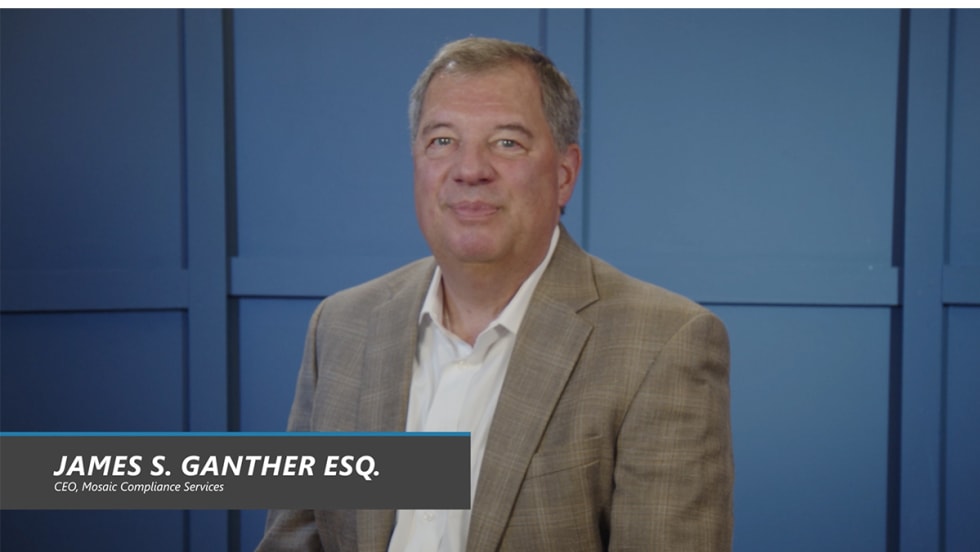
CARS Rule Update: 5th Circuit Oral Arguments Recap
In this video, Jim Ganther of Mosaic Compliance Services, recaps the key takeaways from the oral arguments in the critical CARS Rule case, including potential outcomes and what dealers should do to stay ahead of compliance changes.
Read More →
State of the CARS Rule, Part 3
The players in the automotive industry should coordinate their responses to this pending regulation.
Read More →