



Financing Repairs for BHPH Customers
Best Ride General Manager Gene Daughtry discusses the benefits of working with buy here pay here customers to finance their vehicle repairs.

At Best Ride, we cover our vehicles with a 24-month, 24,000-mile service contract. The majority of our loans are 36 months, which of course puts some customers in a period of driving with no protection for repairs. We do that in part to help motivate our customers to trade, so we can keep them on the books. Oftentimes our customers aren’t ready to trade or they need work that is outside the ESP coverage. For most of these customers, we will establish a service loan for additional repairs.
Establishing a service loan takes a little thought. How have they paid? What is the condition of the vehicle? What type of repair do they need? What will the repair cost? What is the value of the collateral versus the current balance they owe on their vehicle loan? Do they have other service loans, and if so, how have those been paid?
Basically, if the vehicle gets repossessed, what will the additional balance do to the recovery percentage? Often the repair improves the condition of the vehicle, which helps balance out the value equation. By saying “yes” to customers who need help, we are fostering more goodwill with our base, which helps our repeat and referral business. Of course, customer repairs are profitable for us. Like our vehicle loans, we mark up the repairs to help compensate for possible losses. Our service receivables portfolio over the last three years has experienced a loss ratio of less than 5 percent.
As with any set of rules, there are going to be exceptions. If we have a great customer who has always been upfront with us and paid his/her account as best they can, we will go outside the lines to help them. That means we’ll do an $1,800 engine R&R on a 1999 Ford Windstar van because that is what the customer wanted and it was the right scenario to make that loan. We always ask for one-third down on service loans. We do not always get that, but we still have the discussion and work out the details.
We target the retail stores’ special finance customers. Our vehicle ACV runs near $9,000 and our average loan is about $14,000. We have a lot invested per unit, and our customers expect their vehicles to operate properly and look nice. We report to the credit bureau, which in conjunction with the type of vehicles we stock and a lower interest rate helps us attract our target customers. All of this helps us with portfolio performance. I have one collector who handles about 700 regular loans and 200 service loans. The service manager helps keep the service accounts current, which allows the shop to stay busy. We have a maximum overall service receivables balance to provide a ceiling, so our service manager watches what he agrees to and helps motivate collections.
We use a goods and services contract when we arrange a service loan with a customer. If the customer has an existing service loan open, we will consolidate the balances and keep them paying only one payment for service work. The customer knows their vehicle is collateral for the service loan and that the title will not be released until the service account is satisfied as well as their regular loan. We keep the vehicle and service loans separate, which affords the customer an opportunity to pay off the repair quickly and return to just having a car payment.
Making your operation stand out in your market is important, and financing service is a great way to shine while helping service generate additional profit. As with your other loans, disciplined underwriting is the key to success.
More Dealer Ops

How to Avoid Phone Scams | Dealer Debrief 09/10/2026
Are you taking the necessary steps to protect your dealership and customer data from phone-based scams? This week's Dealer Debrief breaks down how!
Read More →
Dealer Debrief: August Auto Sales
Gas-powered engines still dominate the U.S. vehicle market, but hybrids are gaining ground as consumers look for ways to cut their gas costs.
Read More →
Dealership Profits Decline
While new and used retail sales stagnated, dealerships have been particularly supported by fixed operations and finance-and-insurance profits, according to a new report.
Read More →
Dealer Debrief: Defection Data & EV Updates
In this week's debrief, host Lauren Lawrence discusses how to use defection data to your advantage and the latest on EV sales and charging infrastructure.
Read More →
How Defection Data is Bridging the Dealership Conversion Gap
Lead volume is flat, cross-shopping is up and brand loyalty is in retreat. As confident sales teams keep losing buyers they thought they had, daily industry sales data is showing dealers exactly where their funnel is breaking and how to fix it without buying a single new lead.
Read More →
Dealer Debrief: Where are you losing customers?
In this week's debrief, host Lauren Lawrence discusses the hidden leaks in dealerships where you might be losing customers without even realizing it.
Read More →
Dealer Debrief: Improving Your Inventory Management
In this week's debrief, host Lauren Lawrence covers a new survey that shows what service technicians really want and two launches that could help improve your inventory and vehicle life cycle management.
Read More →
Ladies and Gentlemen, This Is a Dealership: Why the Fundamentals Still Decide Who Wins
A teaching moment by a legendary football coach happens to apply perfectly in the auto retail space. Learn what it is and how to use it to your store’s advantage.
Read More →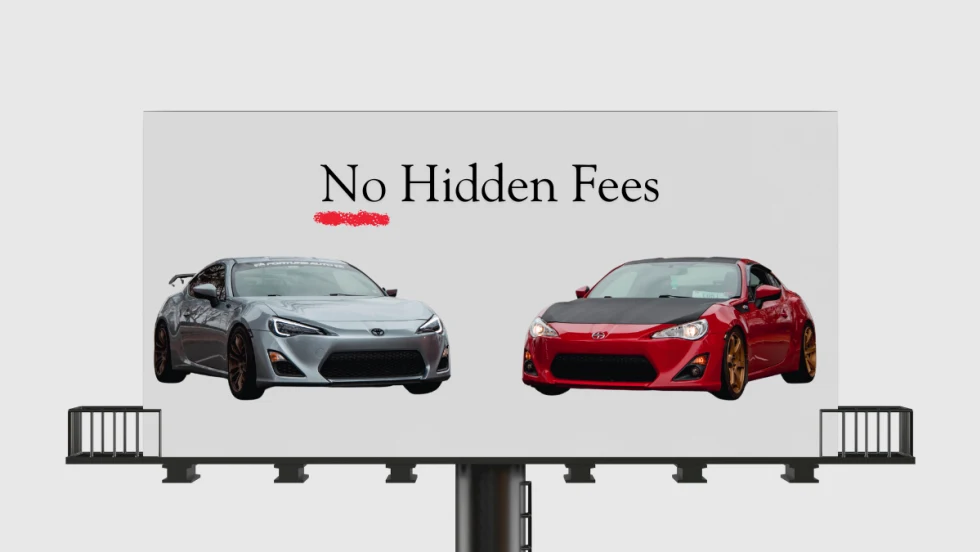
Dealer Ads and the FTC
The agency has made it clear in recent enforcement actions and warnings, in auto retail and other industries, that advertised prices must include all nonoptional costs to the consumer.
Read More →
Used Autos Supply Dwindles
The March shopping surge, despite high prices, cut into inventory by the most since the thick of the pandemic, Cox Automotive analysts calculated.
Read More →