



How to Get Your Dealer License
Expert offers a six-step plan for first-time auto dealers.

Photo: James Pierce
New beginnings are not always easy, particularly when it comes to starting an auto dealership, but your new endeavor can certainly be a rewarding one. Your first step in realizing your exciting business plan is to get a dealer license. Getting licensed is a legal requirement to operate a dealership anywhere in the United States.
There are numerous procedures to follow and standards you need to meet before your state authority will allow you to open a dealership. Among others, these include obtaining a number of documents and approvals, as well as posting an auto dealer surety bond. Although the licensing process is not simple, if you get well acquainted with the typical steps, you will have a much easier time completing it successfully.
Let’s jump right in.
Step 1. Choose the Right Type of Dealer License.
Before you delve into the administrative requirements for car dealers in your state, you have to make an important decision about the type of dealership you would like to run. Naturally, there are a number of business avenues to take, such as selling used, new or a combination of both. You might also want to diversify your inventory with commercial vehicles, trailers, motorcycles, mobile homes and the like.
Different states offer different types of licenses. In some cases, you can sell a wide variety of vehicles under one license. Others require dealers to obtain a separate license for each type.
Step 2. Set Up Shop.
Once you have identified the type of dealership you want to operate and the license or licenses required, you have to decide what it will look like. Not all states require dealers to have a physical office and retail space, but remember that even a small brick-and-mortar operation demonstrates a certain degree of professionalism.
In addition to choosing the right location, you need to comply with local rules and get a zoning approval, which could require an environmental impact assessment. State and local authorities usually have specific requirements about signage and other matters related to the appearance of your store, so it’s best to visit the zoning board before you visit the signmaker. Finally, you need to know whether you will be doing business in one of the 16 states that ban or restrict vehicle sales on Sundays.
Local authorities are not to be taken lightly. You could be visited by an agent of your licensing body at any time, so it’s a good idea to ensure you meet all their criteria.
Step 3. Get Educated.
In some states, dealers are required to pass a training course and sit for a certification exam. That’s how some licensing authorities have chosen to regulate the level of expertise of auto dealers. They often designate the specific education programs that dealers should pass.
Even if you don’t have to, an auto dealer training course can be of great help for your startup. Look for courses that offer a full overview on the licensing process tailored to your specific location, as well as business and marketing know-how. The National Automobile Dealers Association’s NADA Academy offers courses that can teach you all the intricacies of running a successful dealership, and your state dealer association should be a good source of ongoing educational opportunities.
Step 4. Get Insurance.
As with a number of other industries that require licenses, auto dealers are required to obtain insurance for their businesses. The typical amounts are in the range of $25,000 to $30,000 in general liability insurance and around $10,000 to $15,000 in personal injury insurance. Your obligation may vary depending on your state.
Step 5. Get a Surety Bond.
The next step in the licensing process is to post an auto dealer bond. Surety bonds are designed to assure your customers that you will comply with state laws. All states have surety bond requirements in place, but not all license types fall under them. For example, in some states, used-car dealers are required to obtain a surety bond but franchised dealers are not.
The bond amounts that dealers need to post vary greatly among the states and depend on the type of license you want to obtain, but you are likely to need a bond in the range of $10,000 to $50,000. Your state authority sets the exact amount.
Step 6. Submit Your Completed Application.
Once you have gone through the five steps outlined above, you need to take a close look at the full list of licensing requirements that your state authority has defined. You might need to obtain other documents, such as a criminal background check, proof of lease or ownership for your physical location and tax registration.
When you are sure you have covered all the requirements, carefully complete the licensing application. Follow the instructions closely, attach all required documents and don’t leave anything out. You may have to submit the original forms, so make copies first.
This is just a quick overview, but it’s a good starting point. Did we leave anything out? Let us know in the comments section below!
Todd Bryant is the president and founder of Bryant Surety Bonds. He is a surety bonds expert with years of experience in helping auto dealers get bonded and licensed. TBryant@AutoDealerToday.com
More Dealer Ops
How to Avoid Phone Scams | Dealer Debrief 09/10/2026
Are you taking the necessary steps to protect your dealership and customer data from phone-based scams? This week's Dealer Debrief breaks down how!
Read More →
Dealer Debrief: August Auto Sales
Gas-powered engines still dominate the U.S. vehicle market, but hybrids are gaining ground as consumers look for ways to cut their gas costs.
Read More →
Dealership Profits Decline
While new and used retail sales stagnated, dealerships have been particularly supported by fixed operations and finance-and-insurance profits, according to a new report.
Read More →
Dealer Debrief: Defection Data & EV Updates
In this week's debrief, host Lauren Lawrence discusses how to use defection data to your advantage and the latest on EV sales and charging infrastructure.
Read More →
How Defection Data is Bridging the Dealership Conversion Gap
Lead volume is flat, cross-shopping is up and brand loyalty is in retreat. As confident sales teams keep losing buyers they thought they had, daily industry sales data is showing dealers exactly where their funnel is breaking and how to fix it without buying a single new lead.
Read More →
Dealer Debrief: Where are you losing customers?
In this week's debrief, host Lauren Lawrence discusses the hidden leaks in dealerships where you might be losing customers without even realizing it.
Read More →
Dealer Debrief: Improving Your Inventory Management
In this week's debrief, host Lauren Lawrence covers a new survey that shows what service technicians really want and two launches that could help improve your inventory and vehicle life cycle management.
Read More →
Ladies and Gentlemen, This Is a Dealership: Why the Fundamentals Still Decide Who Wins
A teaching moment by a legendary football coach happens to apply perfectly in the auto retail space. Learn what it is and how to use it to your store’s advantage.
Read More →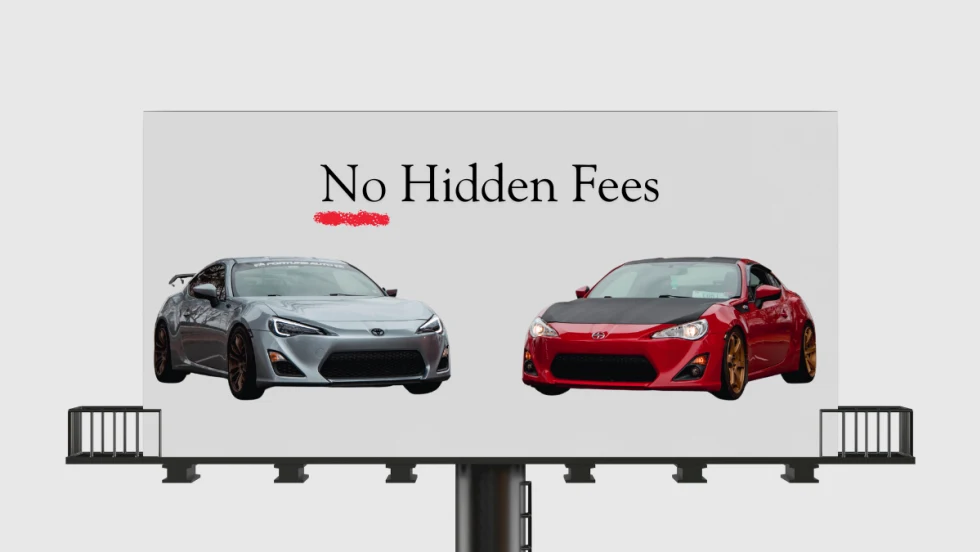
Dealer Ads and the FTC
The agency has made it clear in recent enforcement actions and warnings, in auto retail and other industries, that advertised prices must include all nonoptional costs to the consumer.
Read More →
Used Autos Supply Dwindles
The March shopping surge, despite high prices, cut into inventory by the most since the thick of the pandemic, Cox Automotive analysts calculated.
Read More →