



How to Spend Your Internet Marketing Budget
Jim Rucker - Dealerships are starting to realize that they get more bang for their buck through Internet marketing and are cutting into their television and radio budgets and redirecting the funds towards driving Internet leads ...

The state of the economy and the car business in general has changed the rules about how we spend money. Dealerships are closing, advertising is being pulled back and inventories are being reduced. The only thing that seems to be increasing (or being created for the first time) is Internet marketing budgets.
Dealerships are starting to realize that they get more bang for their buck through Internet marketing and are cutting into their television and radio budgets and redirecting the funds towards driving Internet leads. Many general managers and Internet sales managers are being asked to find the best ways to spend the money online.
With dozens of options available, how does a dealer know they are getting the most out of their dollars spent? Here is a breakdown of the best ways to spend the money:
Better Web sites
Today, just about every dealership out there has a Web site of some sort. It is their virtual dealership, their presence online that gets (at least, it should be getting) hundreds of visitors for every one visitor who goes to the physical dealership. Few could argue that there is a more important marketing investment out there.
The first thing that should happen when considering how to spend an online marketing budget is an analysis of your current Web site. Does it portray the dealer image better than competitors’ sites? Is it getting visitors from search engines? Most importantly, is it generating enough leads?
The days of the $500-per-month template Web site are almost behind us. They still exist, but are they really that effective? Math can normally answer this question very easily. If a $3,000-a-month Web site generates enough extra leads to sell five to 10 more cars a month than a $500-a-month Web site, is it worth the additional $2,500-a-month investment?
In most cases, considering an average front- and back-end gross is around $2,000, the answer is definitely yes.
Search Engine Optimization
Search Engine Optimization (SEO) is the current buzzword in the automotive industry. Being at the top, organically, of the search engines for important, high-volume keywords can do more for a Web site’s traffic than any other form of Internet marketing. If your Web site is strong enough to generate leads, then your optimization should be strong enough to send people there.
The primary problem with SEO is that it is difficult to quantify. There is a lot of “smoke and mirrors” involved in the sale of SEO because few dealers have a technical understanding of how it works. Regardless of what people say about their SEO techniques, do the research. Find out who their clients are and search for the following five keywords on Google for each client:
1. Make + Metro (“Chevrolet Toledo”)
2. Metro + Make (“Los Angeles Honda”)
3. Make + “Dealers” + Metro (“Nissan Dealers Boston”)
4. Metro + Make + “Dealers” (“Minneapolis Toyota Dealers”)
5. Metro + “Used Cars” (“Shreveport Used Cars”)
These are the five most challenging keywords in the automotive industry that relate to car dealers. They are the highest volume by far. That does not mean “long tail” keywords such as “Roush Mustang Richmond VA” are not good. They are lower volume and are not good examples to be used by an SEO company. Getting top rankings for something like that is not difficult. Find an SEO firm that can get you the tough words first. The easy ones will happen naturally because of it.
Landing Pages and Microsites
Microsites and landing pages are the least expensive true marketing investments a dealership can make, but the ROI can be tremendous. A landing page is normally a single-focus contact page designed to generate quick leads. Many third-party lead providers use them to generate the leads. A well-designed and optimized landing page can do the same thing.
Microsites are normally four to six pages in size. They can have two or three different purposes (used cars, credit and trade evaluation, for example) and are designed to pump up leads for specific profit centers.
Keep in mind, a landing page or microsite without optimization or pay-per-click (PPC) marketing is worthless. There are many inexpensive products being offered out there right now; some are even offered for under $100 per month. Again, check on live sites. See how they are ranked, whether organically or through sponsored links. If you can’t find their samples, nobody will find your microsite either.
PPC Search Engine Marketing
For many, pay-per-click (PPC) marketing is a necessity. It could be that they are not being ranked organically, or perhaps they are being ranked organically and they want to get even more traffic. Regardless of the reasoning, PPC should be considered as an excellent supplement to optimization.
It should, under no circumstances, be considered a replacement for optimization. Here’s why:
• Only 25 percent of searchers click on sponsored links, and at least a handful of those clicks will be competitors or other worthless clicks.
• There is no equity built. Just like buying a house versus renting a house, optimization works as an investment and an optimized site will continue to be ranked even after the optimization has stopped. The moment you stop paying Google for their sponsored ad, your listing is removed completely.
• It just costs too much to stand alone. Organic clicks are free regardless of how many times they are clicked. Clicks on sponsored links can cost anywhere between 30 cents and $3, or more.
With that out of the way, as long as proper attention is given to SEO, PPC is an excellent way to increase traffic. It is controllable; you know who you want to target and what you want to say to them. Even though it is only 25 percent of the searchers, who can pass up 25 percent of the traffic in today’s market? If the budget permits and the previous three investments have already been made, PPC is the next logical step.
There are so many other options out there. You can buy leads, buy listings on classified sites, buy social media marketing, purchase brand management services, etc. If you can think of it, someone is probably offering it. Before spending money on any of these things, make sure your core Internet marketing presence is strong.
Vol 5, Issue 11
More Digital
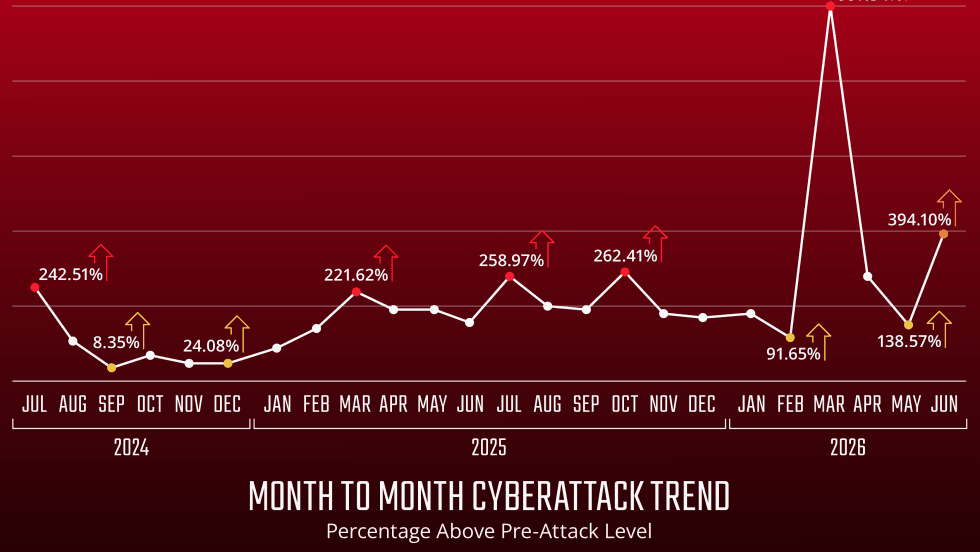
Dealerships More Frequent Cybercrook Targets
Analysis of the past year’s activity shows attacks on stores’ networks have surged dramatically as criminals leverage AI’s tools for volume and seeming legitimacy.
Read More →
Reynolds and RockEd Team Up
Via structured learning journeys and certifications, dealership personnel can get up to speed fast, a key component for success in rapidly changing retail automotive.
Read More →
Dealer Debrief: AI is Judging Your Website
In this week's debrief, host Lauren Lawrence talks about the importance of optimizing your website for AI-powered search as well as SEO.
Read More →
Your Dealership Is Being Judged by AI Search
Car shoppers are asking the tools where to buy, service and trade. The question is whether your dealership is showing up as the answer.
Read More →
Cox Automotive Tool to Streamline Dealership Workflows
The new Navigator offering is designed to work for dealers across the company's technology solutions for time savings and more.
Read More →
DAS Technology Earns Multiple Industry Honors
The company's Power AI Search was recognized for automotive artificial intelligence as .
Read More →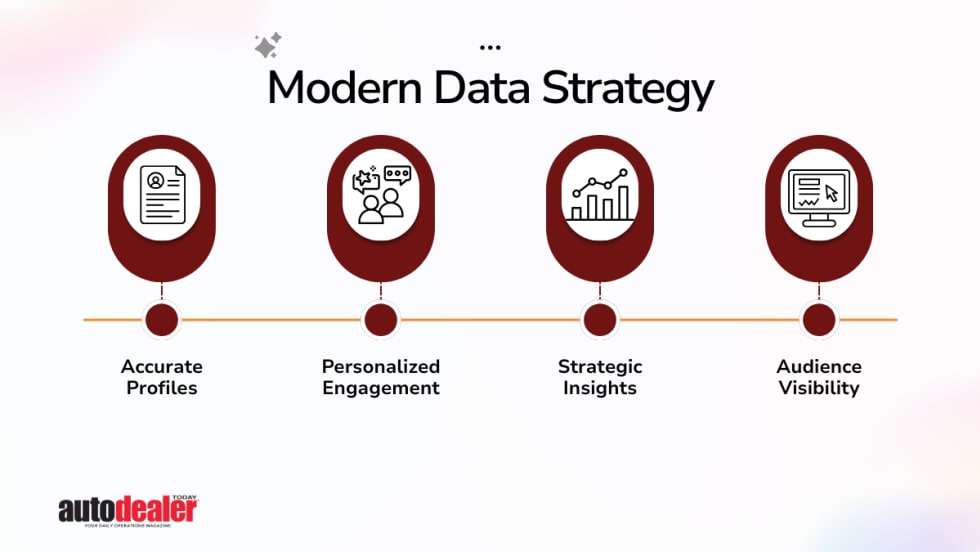
Reduce Fragmentation, Connect Customer Data
Automotive dealerships have the opportunity to reach more consumers by putting their customer data into a unified system, according to a new report.
Read More →
Dealer Debrief: Service Tech Recognition
In this week's debrief, host Lauren Lawrence covers a change to Automotive Service Professionals Month, a dealership acquisition, and a new Lexus rooftop!
Read More →
Dealer Debrief: Manufacturing Meets Demand
In this week's debrief, host Lauren Lawrence covers shifting strategies in the U.S. auto industry and how they reflect the current consumer demand.
Read More →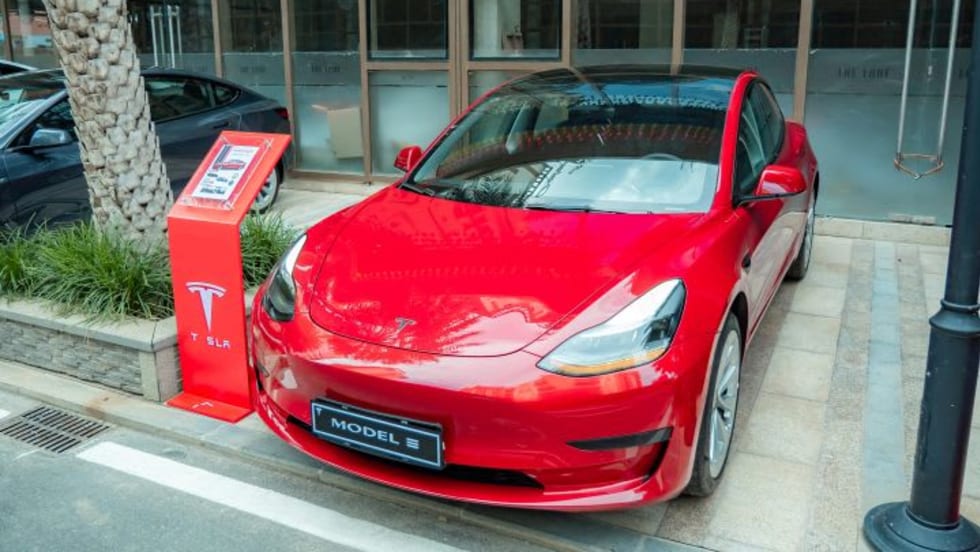
Trust of Autonomous Cars Not Automatic
A poll of U.S. consumers finds more awareness of the technology but no movement when it comes to relying on it for transportation.
Read More →