



How to Take a Motorcycle or RV on Trade
Any trade-in that closes a new-vehicle deal should at least be considered, but a little education and common sense can prevent a lot of heartbreak.

Taking unusual trades is a foreign concept to some auto retailers and a reliable deal-closer for many others.
Photo by Pixelci via Getty Images
A customer comes onto your lot with his heart set on one of your pickups. You don’t need to sell him. He’s ready to drive it away. But there’s just one catch: His trade is a five-year-old domestic V-twin motorcycle. You don’t normally take nontraditional vehicles in on trade, but you’ve got a $3,500 profit standing right in front of you. What should you do — take the trade and put a nice profit in your pocket, or let him walk?
The answer, of course, is to take the trade.
After all, if you were sitting on five late-model minivans, you probably wouldn’t want or need a sixth, but if that was the cost of making a sale, you’d take it. It should be no different with nontraditional vehicles, and that includes two-wheelers as well as commercial vehicles, RVs, and even boats. Just keep these three pointers in mind:
1. Buy Low, Sell High
It’s important to know as much as possible about the specialty vehicle being traded in, and not just the pricing details. For example, if you can’t detect a broken refrigeration system in a motorhome, you can end up on the losing side of what looked like a fair deal. So in addition to having the right resources to deliver the most accurate trade-in value on any type for specialty vehicle — and at least a general working knowledge of their features — there are a handful of guidelines you should be aware of.
First and foremost, buy low and sell high. Demand for just about all types of specialty vehicles goes up each spring. You can start to accumulate inventory now with an expectation of selling it off in a couple months, when more people are in the market and expect to pay more of a premium on the price.
2. Specialty Vehicles Get Specialized Marketing
There are three ways to remarket your specialty trade-ins.
• Online: The not-so-old-adage is true: Anything can be bought and sold online. From Jet Skis to RVs, trailers, and towables, there is an online market for everything. Take great photos, make your descriptions appealing and filled with detail, and find a marketplace with targeted shoppers.
• On the lot: What’s so strange about putting a motorcycle on the front line of a new-car dealership? It might prompt someone to stop in. It might be noticed by a returning sales or service customer, or their spouse, or their friend. The point is, you never know who it might interest, so let them see the merchandise. At worst, it will differentiate you from your competitors, which is never a bad marketing ploy.
• Local retailers: Seek out specialty-vehicle retailers and establish relationships. They may make you a great offer on a unit that saves them a trip to the auction. Just be sure to do your homework on the right value before any agreement is made.
3. Practice Common Sense
If you’re in Kansas, it might be difficult to take that Jet Ski in trade, because it could be difficult to resell. Understand whether the specialty vehicle has a good market locally before you consider online or regional resales. Also, be sure to have the previous owner provide you with a complete tour of the vehicle and have them show you that all features are working properly <ital>before<ital> you make a deal.
Years ago, some people would trade livestock for anything. This may not be specifically applicable to trades in 2019, but the point is everything has a value to it and understanding these values can get you one more trade closer to your next sale.
Eric Lawrence is director of specialty products for Black Book, which calculates values for used cars and trucks as well as specialty vehicles. Email him at eric.lawrence@bobit.com.
More Dealer Ops

How to Avoid Phone Scams | Dealer Debrief 09/10/2026
Are you taking the necessary steps to protect your dealership and customer data from phone-based scams? This week's Dealer Debrief breaks down how!
Read More →
Dealer Debrief: August Auto Sales
Gas-powered engines still dominate the U.S. vehicle market, but hybrids are gaining ground as consumers look for ways to cut their gas costs.
Read More →
Dealership Profits Decline
While new and used retail sales stagnated, dealerships have been particularly supported by fixed operations and finance-and-insurance profits, according to a new report.
Read More →
Dealer Debrief: Defection Data & EV Updates
In this week's debrief, host Lauren Lawrence discusses how to use defection data to your advantage and the latest on EV sales and charging infrastructure.
Read More →
How Defection Data is Bridging the Dealership Conversion Gap
Lead volume is flat, cross-shopping is up and brand loyalty is in retreat. As confident sales teams keep losing buyers they thought they had, daily industry sales data is showing dealers exactly where their funnel is breaking and how to fix it without buying a single new lead.
Read More →
Dealer Debrief: Where are you losing customers?
In this week's debrief, host Lauren Lawrence discusses the hidden leaks in dealerships where you might be losing customers without even realizing it.
Read More →
Dealer Debrief: Improving Your Inventory Management
In this week's debrief, host Lauren Lawrence covers a new survey that shows what service technicians really want and two launches that could help improve your inventory and vehicle life cycle management.
Read More →
Ladies and Gentlemen, This Is a Dealership: Why the Fundamentals Still Decide Who Wins
A teaching moment by a legendary football coach happens to apply perfectly in the auto retail space. Learn what it is and how to use it to your store’s advantage.
Read More →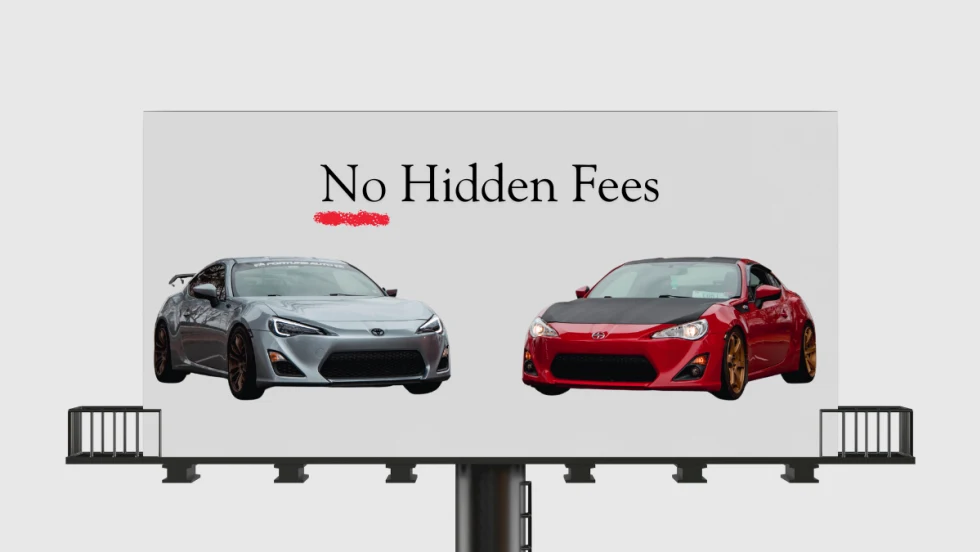
Dealer Ads and the FTC
The agency has made it clear in recent enforcement actions and warnings, in auto retail and other industries, that advertised prices must include all nonoptional costs to the consumer.
Read More →
Used Autos Supply Dwindles
The March shopping surge, despite high prices, cut into inventory by the most since the thick of the pandemic, Cox Automotive analysts calculated.
Read More →