



On the Go
Mobile CRM can allow salespeople to access key data without ever having to leave the customer’s side. Managers can use the same technology to keep their employees in line, even when they are out of the office. But legal experts say that both conveniences can be areas for concern.
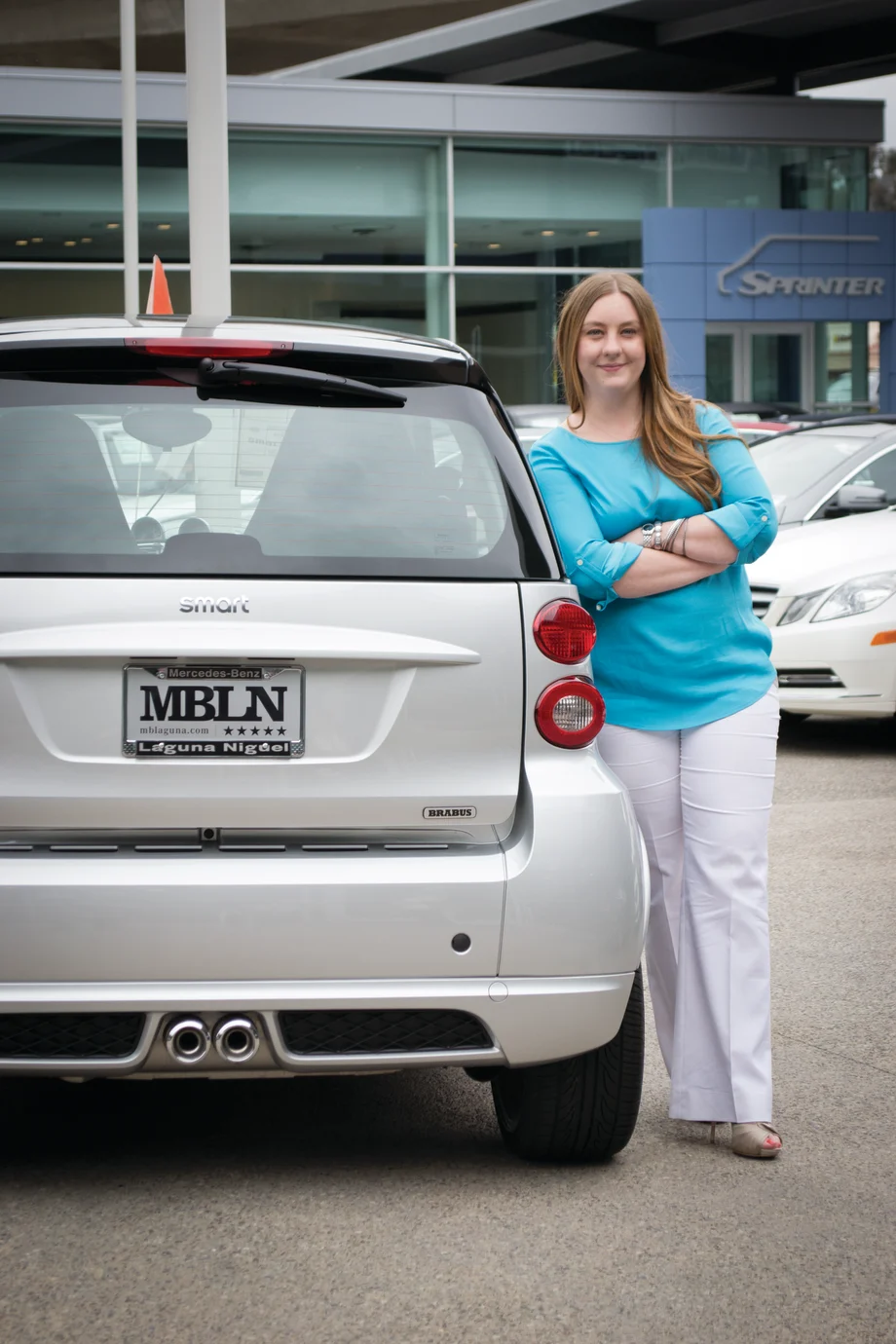
Since Mercedes-Benz of Laguna Niguel (Calif.) switched to DealerSocket’s mobile customer relationship management (CRM) system, Client Care Center Supervisor Ashley Mabery can check up on her employees from anywhere — even when she was at an industry conference in Las Vegas, about four hours away from her dealership.
“I called them and said, ‘Hey, I’m looking on my phone. I’m in the middle of the MGM Grand. I see we don’t have any appointments set up for today,’” she recalls. Mabery says her team was initially surprised by the deepened level of accountability that overtook the dealership two years ago. That’s when her dealer signed on for DealerSocket’s mobile CRM pilot program. But then they got used to it, and a higher degree of pressure to sell set in.
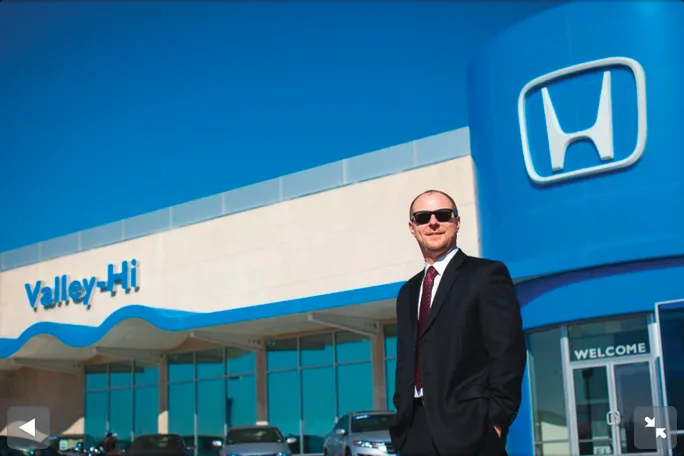
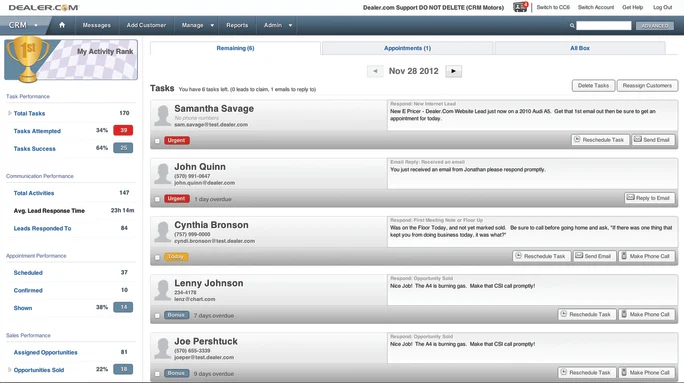
Chris Justice, general manager of Valley Hi Honda in Victorville, Calif., takes a similar approach when he’s on the road. He will sometimes take a screenshot of the Dealer.com mobile CRM sales dashboard with his phone and send a text message to individual employees that reads: “Your call volume’s low. Please pick it up.”
Befriending Customers
The most apparent benefit to mobile CRM lies under the dealership’s rooftop. Employees can enter customer information right in front of the shopper in the showroom or on the lot.
Justice says the new technology gives customers a sense of ease. “For some reason, customers feel more comfortable when they see they’re putting it into their mobile device — somewhere secure — rather than on some ragged piece of paper that might be thrown away or left out somewhere,” he says.
Mabery adds that entering customer information directly into a smartphone or tablet makes the transaction feel more personal for the car buyer. “It feels more like what it would if you were going to be friends with them, versus, ‘You’re a lead, and I’m taking down your information,’” she says.
It turns out that entering key information directly from the source helps put staffers at ease as well. Entering data from a mobile device typically results in a 90 percent key field completion in customer records, according to a new white paper from SoftwareBlog CRM , a site where international CRM experts gather to share insights. The same report finds that average sales were boosted by 20 percent after making the switch to mobile CRMs.
A heightened return on investment also rings true for DealerSocket, which reported a 16 percent spike in retailed units and a 31 percent boost in confirmed appointments from the app. Similar successes have driven Gartner Inc., a Stamford, Conn.-based technology research firm, to predict that by 2014, the total number of mobile CRM apps available for download from app stores will grow by 500 percent — up to 1,200 apps in 2014 vs. the approximate 200 offered in 2012.
Rooftop Perspective
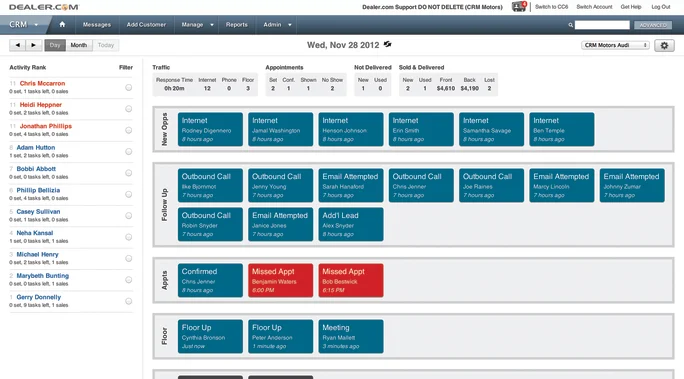
From a dealer’s standpoint, Dealer.com’s CRM architect, John S. Houmis, says the mobile CRM opens up employers to a “rooftop perspective” of the dealership’s daily activities. It also serves as a reminder that there is always progress to be made.
“It’s never a dead day in the dealership,” Houmis says. “A typical dealer’s spiel over CRM findings could sound like, ‘We’ve got leads coming in, we’re setting appointments, we’re sending e-mails, we’re making calls, we’re selling cars, we’re losing deals.’”
He says the CRM shows the most important interactions between staff and customers on a regular basis. “We want to be able to see what we’re saying to our customers and what our customers are saying to us,” Houmis explains.
But as convenient as the mobile CRM may be, Mabery admits it is still a mobile device, which means the reporting on the small screen is limited to only a bird’s-eye view summary. “As time goes on, I think the research and development of this kind of mobile app is going to get better and better. But right now, you really can’t do everything that you could do if you were at a desktop,” she says. “For the salespeople, they feel like they have the full capability. But I think as a manager, you really can’t do everything you want.”
Employees quickly discovered another drawback: They’re not able to print out documents for customers directly from the phone. “That has been a concern, but not really a huge one because it’s a technology that hasn’t really been defined yet,” says Nathan Usher, DealerSocket’s director of product management. “But anything you see and do inside of the mobile app will immediately reflect inside of the DealerSocket desktop version in real time.”
Legally Speaking
Mabery and Justice were offered the option to restrict employee’s off-site access. Both opted to allow all managers and salespeople to access the mobile application from anywhere. So on Mabery’s days off, the mobile CRM allows her to take a peek if a customer requires urgent attention.
“It cuts down on the time that the client is waiting,” she says. “Sometimes they don’t really realize, ‘Oh, everybody has a day off just like I do.’ They think, ‘Oh, they must not be interested in selling me a car.’”
That type of connection concerns Michael Charapp, an attorney with McLean, Va.-based Charapp & Weiss. He warns that employees — be they hourly or salaried — should be mindful not to get carried away putting in extra time outside of regular business hours.
“Even if a salesperson doesn’t earn premium overtime, a salesperson still has to earn minimum wage,” he says, noting that an additional 20 to 30 hours tacked onto one pay period could expand the total number of hours, and, in turn, decrease the agreed-upon hourly wage.
Charapp acknowledges that increased hours outside of work can be accrued just as easily from simple e-mail access on mobile devices, but he points out, “The mobile CRM will certainly generate enough information to the person’s device to exacerbate the problem.”
Christopher Hoffman, regional managing partner with Fisher & Phillips LLP in San Diego, agrees. That’s why he recommends that dealers implement a method to track all hours worked, even those that extend beyond the dealership’s doors.
“Under the federal law, salespeople are supposed to be paid at least minimum wage,” he says. “So, how do you know that they are if you don’t know how many hours they worked?”
Hoffman also recommends that dealerships have a privacy policy for employees that covers work performed on a mobile CRM. “When you’re in a store, you have the ability to have network protocols that make sure you have secure data, but as soon as you’re passing it along phone lines, a lot of that security can be compromised,” Hoffman says. “So what are you doing internally to help secure [customer] information so that you can pass that inspection if you were challenged on it?”
Both DealerSocket and Dealer.com’s applications allow managers to disable employees’ accounts if and when necessary. For instance, Mabery says as employees move on from her store, she simply deactivates the app. Only about 15 to 20 percent of DealerSocket’s customers restrict the mobile CRM system to in-dealership activity only, prohibiting sales staff to access the mobile CRM from home. For his part, Charapp is convinced that number should be higher if dealers want to eliminate legal risks.
“There’s no question that this requires serious management attention,” he says. “Just letting all of this information be dumped onto an employee’s device is hardly conducive to serious management attention.
“This is the wave of the future, but dealers have to make sure they have the proper safeguards in place.”
More Digital

TecAssured Expands Payment Capabilities
A new integration with ConnexPay is designed to give third-party administrators, agencies and dealers faster, more flexible payment options, improve efficiency and create profit opportunities.
Read More →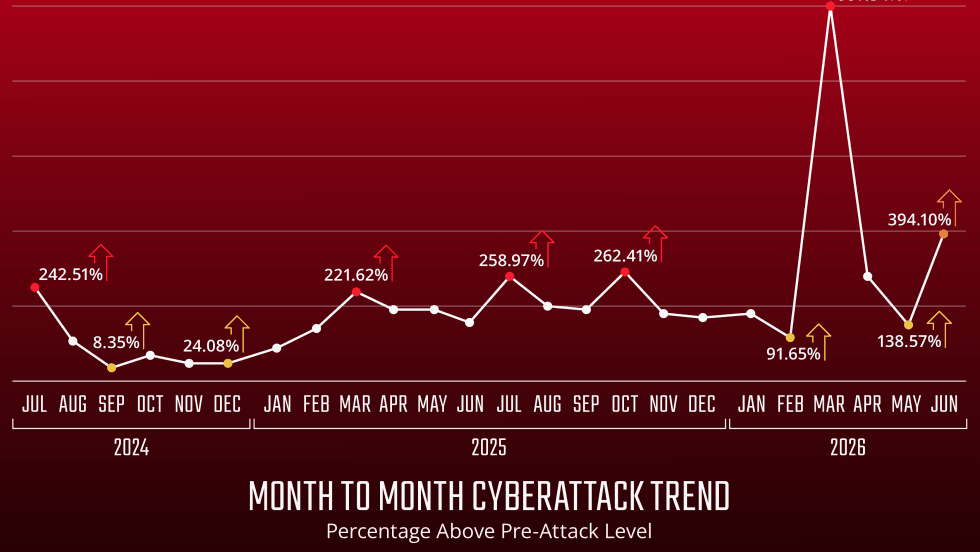
Dealerships More Frequent Cybercrook Targets
Analysis of the past year’s activity shows attacks on stores’ networks have surged dramatically as criminals leverage AI’s tools for volume and seeming legitimacy.
Read More →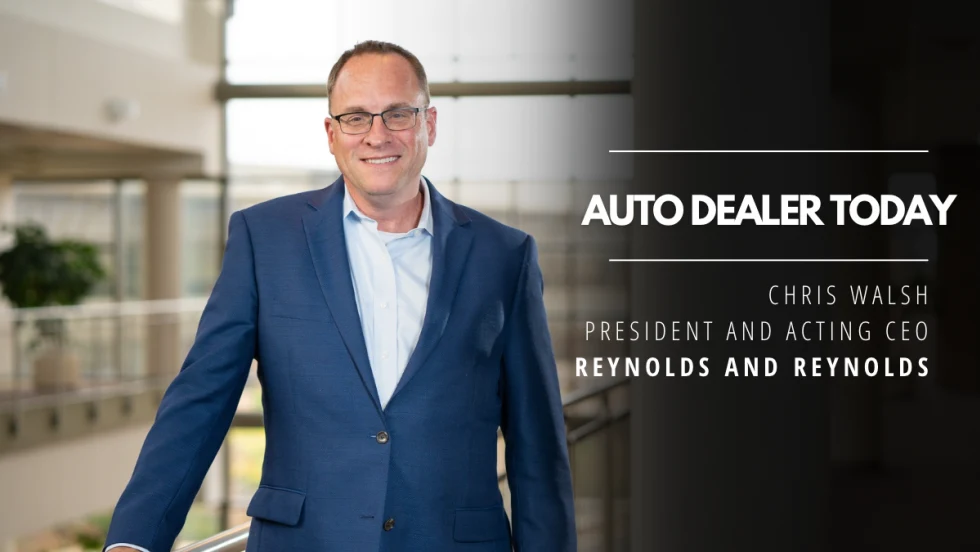
Reynolds and RockEd Team Up
Via structured learning journeys and certifications, dealership personnel can get up to speed fast, a key component for success in rapidly changing retail automotive.
Read More →
Dealer Debrief: AI is Judging Your Website
In this week's debrief, host Lauren Lawrence talks about the importance of optimizing your website for AI-powered search as well as SEO.
Read More →
Your Dealership Is Being Judged by AI Search
Car shoppers are asking the tools where to buy, service and trade. The question is whether your dealership is showing up as the answer.
Read More →
Cox Automotive Tool to Streamline Dealership Workflows
The new Navigator offering is designed to work for dealers across the company's technology solutions for time savings and more.
Read More →
DAS Technology Earns Multiple Industry Honors
The company's Power AI Search was recognized for automotive artificial intelligence as .
Read More →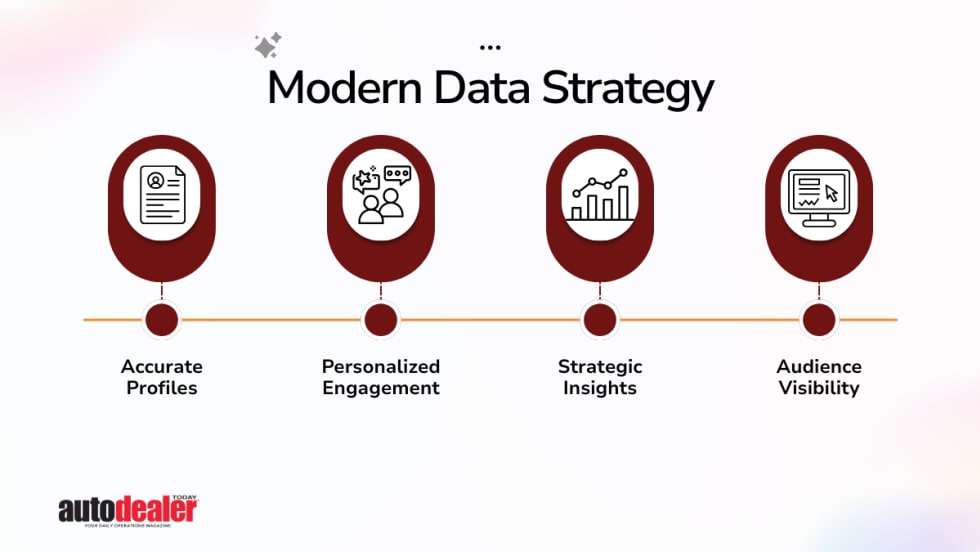
Reduce Fragmentation, Connect Customer Data
Automotive dealerships have the opportunity to reach more consumers by putting their customer data into a unified system, according to a new report.
Read More →
Dealer Debrief: Service Tech Recognition
In this week's debrief, host Lauren Lawrence covers a change to Automotive Service Professionals Month, a dealership acquisition, and a new Lexus rooftop!
Read More →
Dealer Debrief: Manufacturing Meets Demand
In this week's debrief, host Lauren Lawrence covers shifting strategies in the U.S. auto industry and how they reflect the current consumer demand.
Read More →