



Reach Prospects Immediately
Tom Herald - There are 3.2 billion cellular connections worldwide – 260 million in the United States alone – and with the iPhone’s launch last year, the concept of browsing the Web from a mobile phone has gone mainstream. The future is now and marketersare abuzz about this new trend and the tremendous opportunities it presents.

Mobile Phone Ad Opportunities
There are 3.2 billion cellular connections worldwide – 260 million in the United States alone – and with the iPhone’s launch last year, the concept of browsing the Web from a mobile phone has gone mainstream. The future is now and marketersare abuzz about this new trend and the tremendous opportunities it presents. Consider this: Mobile phone carriers are sitting atop a trove of data—not just your name, address and (of course) phone number, but also credit card information, who your friends are and where you’re located at this very moment. It may sound a bit scary, but it’s true. Aggressive advertisers are positioning themselves now to take full advantage of these frontier opportunities to reach prospective customers.
Even with the rush of new privacy regulations, hoards of personal information are available now and more will become available as phones are used like little PCs, creating opportunities for highly targeted ads and other marketing breakthroughs. Imagine the power a retailer has who can immediately text customers with a discount offer whenever they are within a few blocks of the store. The same holds true for car sales and special financing. The winning consumer nod goes to the dealership who can maintain top-of-mind awareness in their market.
Advertising on Mobile Phones
The most common type of mobile ad is a display banner served on a Web page that is called up on a cell phone’s screen whenever the prospect browses the Internet. When you go to The New York Times’ Web site from your phone, for example, you might see ads for Movado jewelry, AT&T and HSBC Direct Lending. These ads may be national in scope, but if you look locally, like in Boston, you will find banners for Celtics memorabilia and Herb Chambers, the largest auto dealer in the market.
These ads are created for the site’s mobile format and may not necessarily be the same as those you would see if you were browsing the site from a PC. Ads are priced on a cost-per-mille (CPM) basis—a set price you pay for the ad to be seen 1,000 times. To get a sense of what your Web site looks like on a cell phone, go to Skweezer.net. A forward-thinking dealership can take notes from companies like JetBlue that use the free messaging tool, Twitter, to provide fare updates to customers. The idea is to get in front of your customers and stay there and to get their attention and keep it, while continuing to remind them that you are out to earn their business.
Mobile Ad Purchasing
Most advertisers work with mobile-ad networks, which bring together advertisers and Web sites that are frequently viewed by phone. Some of the larger players, which are owned by the likes of Nokia, AOL and Yahoo!, will act as full-service marketing shops. They handle the entire process, including technology, the creative content of mobile ads and the ad placement.
Pricing Mobile Ad Costs
Because this industry is so young, rates vary widely. Third Screen Media and AdMob, the two main mobile-ad networks, charge CPMs ranging from $15 to $25 for banner ads. The key players in the market are still trying to find their price points. For example, Nokia Ad Business has CPMs as high as $75, and their business is thriving. If you shop around, you will find a great price point in your market. Get in now on the ground floor and build strong relationships with these infant businesses; the rewards will be exponential in the future.
Text Message Marketing
You can buy or rent a short code, a five- or six-digit phone number from which you can send and receive text messages. One common way to use a short code is to publish it on a billboard or in a print ad. Include, “Text 51234 for more information,” on ads and encourage customers to enter a contest or participate in a poll. For example, Starbucks uses 697289 to immediately find a location, which is important for caffeine junkies like me.
Most companies sell short codes for $500 to $1,000 per month, plus a one-time setup fee of a few thousand dollars and a charge of four to seven cents for each text message. You can also rent a code for as little as $225 per month. Check out www.air2web.com; then Google “short codes” in your market to compare pricing. Keep in mind that technological standards vary. Nearly every phone on the market is equipped to send and receive texts and it is the way younger generations communicate today. However, most systems won’t let you embed complex graphics or photographs, so keep your messages simple, to the point and appealing to the prospects. Don’t turn it into text spam or you will turn a good idea into an annoying nuisance.
How to Go After the Best Customers
Google is expanding into the mobile world, allowing companies to buy contextual ads – ads related to content, like those Google ads we’ve become accustomed to – on the mobile Web. This is being hyped as the next big thing. Click-through rates on these types of ads can be quite high in comparison to other forms of online advertising. Google doesn’t charge by CPM for contextual ads; instead, it charges a cost-per-click fee of 25 to 30 cents. Today marketers are also experimenting with targeted click-to-call ads on mobile phones. The options are endless and the future of technology has arrived to help you give prospective customers the advertising they want now.
Special Finance Insider Vol. 2, Issue 4
More Dealer Ops

How to Avoid Phone Scams | Dealer Debrief 09/10/2026
Are you taking the necessary steps to protect your dealership and customer data from phone-based scams? This week's Dealer Debrief breaks down how!
Read More →
Dealer Debrief: August Auto Sales
Gas-powered engines still dominate the U.S. vehicle market, but hybrids are gaining ground as consumers look for ways to cut their gas costs.
Read More →
Dealership Profits Decline
While new and used retail sales stagnated, dealerships have been particularly supported by fixed operations and finance-and-insurance profits, according to a new report.
Read More →
Dealer Debrief: Defection Data & EV Updates
In this week's debrief, host Lauren Lawrence discusses how to use defection data to your advantage and the latest on EV sales and charging infrastructure.
Read More →
How Defection Data is Bridging the Dealership Conversion Gap
Lead volume is flat, cross-shopping is up and brand loyalty is in retreat. As confident sales teams keep losing buyers they thought they had, daily industry sales data is showing dealers exactly where their funnel is breaking and how to fix it without buying a single new lead.
Read More →
Dealer Debrief: Where are you losing customers?
In this week's debrief, host Lauren Lawrence discusses the hidden leaks in dealerships where you might be losing customers without even realizing it.
Read More →
Dealer Debrief: Improving Your Inventory Management
In this week's debrief, host Lauren Lawrence covers a new survey that shows what service technicians really want and two launches that could help improve your inventory and vehicle life cycle management.
Read More →
Ladies and Gentlemen, This Is a Dealership: Why the Fundamentals Still Decide Who Wins
A teaching moment by a legendary football coach happens to apply perfectly in the auto retail space. Learn what it is and how to use it to your store’s advantage.
Read More →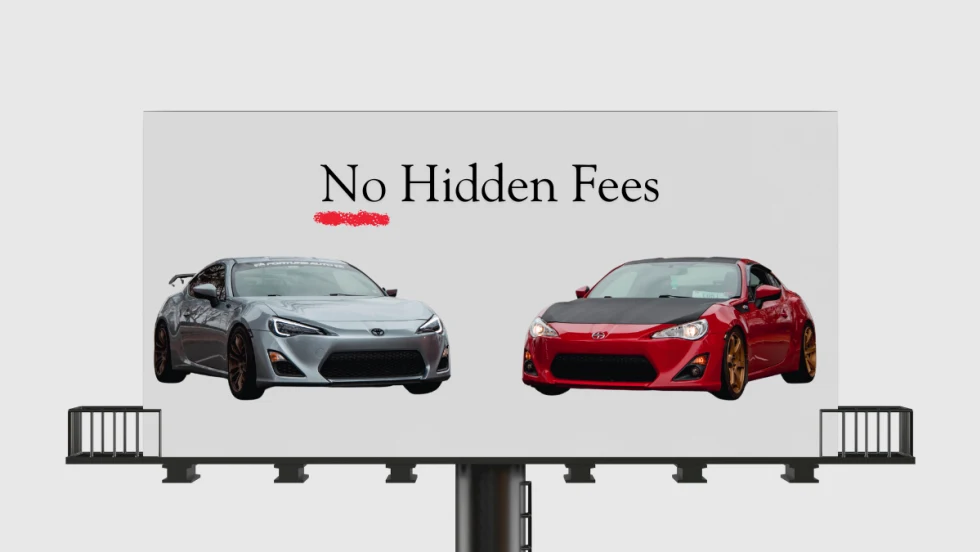
Dealer Ads and the FTC
The agency has made it clear in recent enforcement actions and warnings, in auto retail and other industries, that advertised prices must include all nonoptional costs to the consumer.
Read More →
Used Autos Supply Dwindles
The March shopping surge, despite high prices, cut into inventory by the most since the thick of the pandemic, Cox Automotive analysts calculated.
Read More →