



Service Commitment At McBride Cheverolet
John Carroll - Brian McBride always thought he could figure out a way to make the service department at Bill McBride Chevrolet Subaru in Plattsburgh, N.Y. run better...

Brian McBride always thought he could figure out a way to make the service department at Bill McBride Chevrolet Subaru in Plattsburgh, N.Y. run better.
“We’d made a number of self-guided attempts to try and improve our operation,” he recalls. But it never really worked out the way he hoped. And any performance improvements that were made would never last, fading away in a matter of weeks or months. “You’re either moving forward or backward,” says the dealer, who runs the 35-year-old operation with his brother.
He wasn’t moving forward.
By early 2003, McBride figured he was going to need some outside help to steer the department in the right direction. After doing his research and checking references, he put in a call to DealerPro Training Solutions.
Two years later, McBride counts himself as one happy player in what has developed into a long-term partnership.
“The results for us have been phenomenal,” he says. “We were averaging nine-tenths of an hour in customer-paid labor [for each service job], and now we’re in the 2.0 to 2.5 range.”

Along with about a third of DealerPro’s customers, McBride has opted to continue the relationship past the initial 13-month commitment he made. That continued guidance helps make sure that new hires get the full benefit of the training – and gives McBride added assurance that his service department will continue to move forward.
McBride still marvels at the way Pleasantville, N.J.-based DealerPro (www.DealerProtraining.com) overhauled the service end of his business from top to bottom.
“They made corrections in our pay plans for our advisers and managers that were performance oriented,” says McBride. “The ones we had weren’t based on performance. They created accountability for everyone in the process and they trained everyone. They trained our advisers to be sales people instead of customer greeters and order takers. They set up a very good tracking system for everybody in place.”
“One of the things I liked about them the most; they didn’t advocate spending money on products and programs,” observes service manager Todd Rabideau. “They rolled up their sleeves and went to work. It was all about training and tracking.”
“Everybody is responsible for keeping track of certain metrics related to their jobs,” explains McBride. “Those get compiled and move up to the manager – adviser to manager – and then from the manager to me. Everybody knows on a daily basis what the expectations are. At the service desk we have tracking schedules for the vehicle as they move through every step in service. The adviser is responsible for keeping that up-to-date, and has the responsibility for tracking up-sales on a daily basis.”
Every day McBride gets an e-mail that gives him a snapshot look at the previous day’s accomplishments. A trainer at DealerPro gets it as well, and can be quick to call with needed advice.
A DealerPro trainer can help ensure that the department is performing along industry standards, or better. If they aren’t, he won’t be reluctant to start asking why. DealerPro prides itself on its ability to transform a service department, and that takes more than grafting on a new software program or doing some quick counseling on sales.
“We’re not a consulting company,” says McCleskey, “we’re a training company. We develop strategies for becoming more profitable.”
It starts with two weeks of intense, face-to-face training, complete with scripts and role-playing practice to get the service advisers comfortable about the new work practices. They’ll follow up with three to five days a month of continuing training. The goal, when they are done, is to significantly increase the efficiency of the department and raise revenue while improving customer satisfaction.
It’s not an arm’s length procedure.
“They’re meeting and greeting the customer; working on the up-sell, to show the service adviser how to do that properly,” says McBride. “Then they put in place a number of selling techniques.”
In most cases, adds McCleskey, the problem in the service department starts when a service adviser gets a phone call from someone looking for a price. How much is a brake job? What’s a tune-up cost? And the problem is compounded when the adviser quotes them a price and leaves it at that.
First, says McCleskey, the price just gives the customer added motivation to shop around and come up with a different shop willing to offer a lower price for that particular service. “If a dealer says $149 and at Midas it’s $69, where’s the customer going to go?” asks McCleskey. “Customer loyalty is worth $20. If the difference in price is more than $20, they’ll go somewhere else.”
With proper training, though, you learn to start asking the customer some questions. What makes him think it’s the brakes? Is it squeaking or grinding? And after a few questions, the adviser rolls the conversation to an appointment without quoting a price.
Avoiding a specific quote saves trouble down the road when the customer – who is, after all, often just guessing about what needs to be fixed – finds out that he needs new calipers or something else for another $150. Once a customer has a figure in mind, they get angry when the bill swells with added costs – no matter what the reason.
But getting the customer into the shop is just the beginning. Service advisers are taught to reserve 15 minutes for each arriving customer. During that time, they can review the car’s history and suggest a 27-point inspection plan, covering everything from fluids to the front lights.
During that time, an adviser is also taught to get a prior approval for the work. “The average bill for fixing a car is $190,” says McCleskey, “and the customer knows he’ll probably be on the hook for that amount when he drives in.”
The customer is thinking $150 to $200, so they aren’t going to have a problem if you ask for a prior approval to do work up to $190. That’s a critically important part of improving a department’s efficiency, giving mechanics a green light to do most of the work without having to leave it for hours at a time while the adviser is trying to track down a customer for an OK. The work gets done on the same day, and that allows more service work and keeps the customer happy by letting him pick it up at the end of the day, rather than having to wait until the middle of the following day.
“I think its improved customer satisfaction,” says Rabideau about the new process. “In the long run, they know the car is going to be safer and more reliable; that they won’t have a failure.
The next critical stage is calling up the customer to review recommended maintenance or any additional work that’s needed. In most cases, says McCleskey, an untrained adviser bores right into whatever is broken. But with proper training, an advisor learns to highlight the positives, reinforcing the customers choice of vehicles by talking about what looks good in the car and then talking about the one or two other things that need to be fixed.
“We’re just as enthusiastic about telling the customer the car is in good condition and it doesn’t need any work,” says McBride.
Service advisers recommend work, but they’re taught to avoid a hard sale. And never suggest work that isn’t needed.
“We started getting the information to the customer, presenting to the customer what is needed,” says Rabideau.
“And nothing extra.”
“Ethics is the most important thing they have to sell,” says McCleskey. “Don’t sell what isn’t needed. If a customer doesn’t want it, and you haven't shown them the value, don't push it. We do teach them the road to the sale, but never to the point where it’s high pressure.”
And all the service advisers’ workflow is on public display, so everyone knows who’s on track and who isn’t holding their own.
DealerPro has a separate program for training sales people. But whatever end of the dealership they’re working in, service and sales are trained to support each other’s work.
“When the service trainer is in, he's getting sales people involved in the training so they know what is going on in the service department,” says McCleskey. “They can contribute, and vice versa. The dealership has got to have a clear unified voice when it comes to the customer.”
Every new buyer gets a tour of the service department and is introduced to the service and sales manager. They explain why they are better than any other store that they visit. It’s all about building value, educating the customer.
There are other things that DealerPro can do to help improve performance. Its trainers may recommend new sources for shop supplies that maintain quality but reduce costs.
DealerPro charges based on its ability to perform, a fixed fee plus a performance based percentage. For the average dealer that does some 700 to 1,000 repair jobs a month this can be a very good arrangement. Some companies charge fees based on increases of revenue, but it’s really the bottom line that counts.
“After 13 months, any customer can say we're done; 35 percent, though, stay on a regular basis,” says McCleskey.
Vol 2, Issue 7
More Dealer Ops
Dealer Debrief: August Auto Sales
Gas-powered engines still dominate the U.S. vehicle market, but hybrids are gaining ground as consumers look for ways to cut their gas costs.
Read More →
Dealership Profits Decline
While new and used retail sales stagnated, dealerships have been particularly supported by fixed operations and finance-and-insurance profits, according to a new report.
Read More →
Dealer Debrief: Defection Data & EV Updates
In this week's debrief, host Lauren Lawrence discusses how to use defection data to your advantage and the latest on EV sales and charging infrastructure.
Read More →

How Defection Data is Bridging the Dealership Conversion Gap
Lead volume is flat, cross-shopping is up and brand loyalty is in retreat. As confident sales teams keep losing buyers they thought they had, daily industry sales data is showing dealers exactly where their funnel is breaking and how to fix it without buying a single new lead.
Read More →
Dealer Debrief: Where are you losing customers?
In this week's debrief, host Lauren Lawrence discusses the hidden leaks in dealerships where you might be losing customers without even realizing it.
Read More →
Dealer Debrief: Improving Your Inventory Management
In this week's debrief, host Lauren Lawrence covers a new survey that shows what service technicians really want and two launches that could help improve your inventory and vehicle life cycle management.
Read More →
Ladies and Gentlemen, This Is a Dealership: Why the Fundamentals Still Decide Who Wins
A teaching moment by a legendary football coach happens to apply perfectly in the auto retail space. Learn what it is and how to use it to your store’s advantage.
Read More →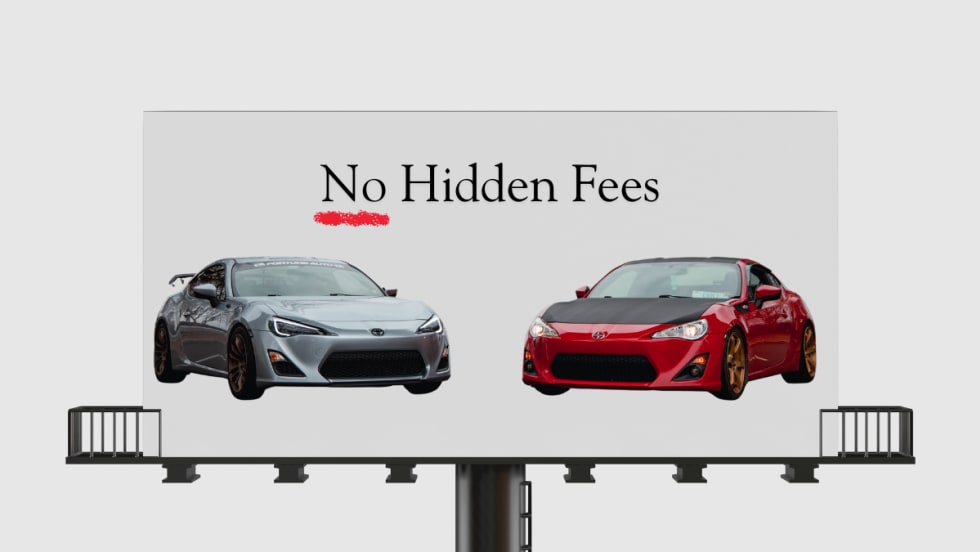
Dealer Ads and the FTC
The agency has made it clear in recent enforcement actions and warnings, in auto retail and other industries, that advertised prices must include all nonoptional costs to the consumer.
Read More →
Used Autos Supply Dwindles
The March shopping surge, despite high prices, cut into inventory by the most since the thick of the pandemic, Cox Automotive analysts calculated.
Read More →
Managing Risk Effectively Through Changing Times
The variables influencing risk pricing have changed significantly over the past five years. Being proactive and responsive to emerging trends is not optional but essential.
Read More →