



Should Have, Could Have But Didn't
Career decisions are pivotal for F&I managers.

Whether new to the F&I role or a veteran, your decisions can make a big difference in the trajectory of your career as an F&I manger.
You’ve just realized you made a mistake, maybe a big one. The customer is gone, the vehicle is gone, and you have a deal that can’t be funded because you missed a signature or made a mistake on product eligibility. Then there is another, bigger kind of mistake that might bring your credibility and trust into question, like making an off-handed remark about a customer or coworker that is overheard, then regretted. Whether new to the F&I role or a veteran, what you do in these situations can make a big difference in the trajectory of your career as an F&I manger.
Our goal in F&I is to touch a deal once so we can positively affect cash flow in the dealership. We have processes and procedures in place that, if followed, should help us limit mistakes. Our title is manager, and we are expected to lead and be an example of credibility and integrity to those we work with and the customers we serve. However, no one is perfect – mistakes happen, administratively and in our interactions with others.
We have all been told that we should learn from our mistakes and failures. It can be argued that we all learn far more from our mistakes than we do from our successes, and I would agree. True learning from a mistake can only take place when you own it.
I’m no psychologist, but it seems that many of us on the planet and in dealerships struggle to assess our own actions and the consequences accurately and honestly when a mistake has been made. “It’s not really my fault” or, “I’m not the only one to blame here” are clear indications that perhaps learning from a mistake is most likely not taking place. It’s simple: You can’t learn from a mistake if you can’t acknowledge that you have made one. Even if the mistake you made was influenced by bad information that someone shared with you or a mistake someone else made that led you to make a bad decision, own your part in it.
Time is another factor that should be considered when a mistake has been made. Keep one mistake from becoming a succession of mistakes by owning up to a mistake as soon as you make it. Some F&I managers are hesitant to own their mistakes because they are worried about looking incompetent to their F&I director or general manager, so they wait. Then the consequence of the mistake becomes more severe. Having to hear from your F&I director or GM about what you should have done or could have done but didn’t is never a good experience. Don’t wait.
The quicker you let all effected parties know that a mistake has been made, the better. You will look more competent, not less, by communicating the situation and offering your plan to resolve or correct it.
In communicating a mistake, keep in mind that it is better to keep it simple and to the point. No excuses, no justifications, just, “I made this mistake, and I am working to correct as quickly as I can.”
Now if the mistake was that you have behaved poorly toward a coworker or were less professional with a customer than you would have liked, apologize as soon as possible. Owning it applies here, too. No excuses or justifications here, either. If your apology contains the word “but,” it isn’t an apology. “Jim I’m sorry for the comment I made” or, “It was wrong for me to do that, and it won’t happen again.”
When you have made a mistake, words are good, but actions are better. No one has ever regained trust and respect through their words. Your professional reputation is defined by what you do, not by what you say. Do what you say you are going to do to solve the problem or correct a mistake when you said you were going to do it. Nothing promotes learning from a mistake better than dealing with the consequences quickly, openly and sincerely.
Lastly, dealerships are busy, and time is always a factor.
John Tabar is executive director of training for Brown & Brown Dealer Services.
Originally posted on F&I and Showroom
More Dealer Ops
How to Avoid Phone Scams | Dealer Debrief 09/10/2026
Are you taking the necessary steps to protect your dealership and customer data from phone-based scams? This week's Dealer Debrief breaks down how!
Read More →
Dealer Debrief: August Auto Sales
Gas-powered engines still dominate the U.S. vehicle market, but hybrids are gaining ground as consumers look for ways to cut their gas costs.
Read More →
Dealership Profits Decline
While new and used retail sales stagnated, dealerships have been particularly supported by fixed operations and finance-and-insurance profits, according to a new report.
Read More →
Dealer Debrief: Defection Data & EV Updates
In this week's debrief, host Lauren Lawrence discusses how to use defection data to your advantage and the latest on EV sales and charging infrastructure.
Read More →
How Defection Data is Bridging the Dealership Conversion Gap
Lead volume is flat, cross-shopping is up and brand loyalty is in retreat. As confident sales teams keep losing buyers they thought they had, daily industry sales data is showing dealers exactly where their funnel is breaking and how to fix it without buying a single new lead.
Read More →
Dealer Debrief: Where are you losing customers?
In this week's debrief, host Lauren Lawrence discusses the hidden leaks in dealerships where you might be losing customers without even realizing it.
Read More →
Dealer Debrief: Improving Your Inventory Management
In this week's debrief, host Lauren Lawrence covers a new survey that shows what service technicians really want and two launches that could help improve your inventory and vehicle life cycle management.
Read More →
Ladies and Gentlemen, This Is a Dealership: Why the Fundamentals Still Decide Who Wins
A teaching moment by a legendary football coach happens to apply perfectly in the auto retail space. Learn what it is and how to use it to your store’s advantage.
Read More →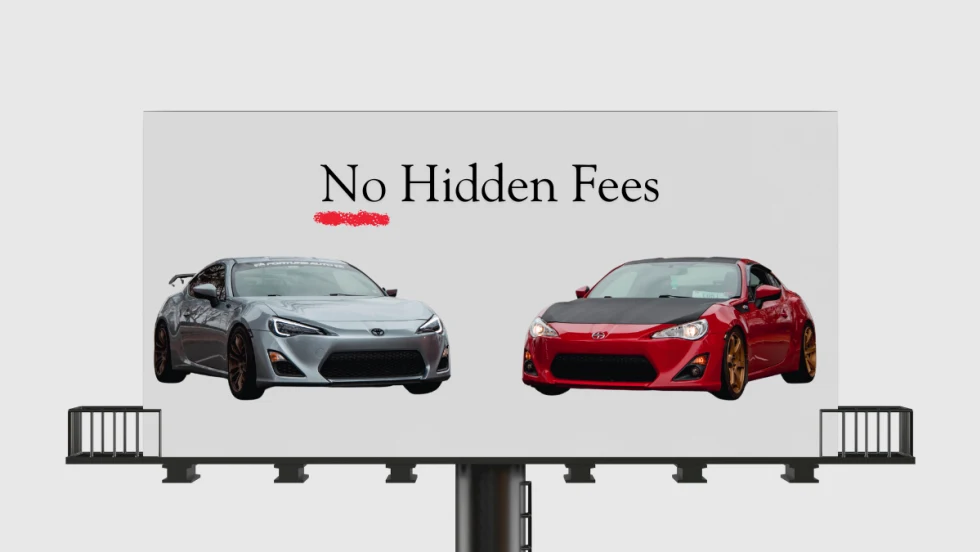
Dealer Ads and the FTC
The agency has made it clear in recent enforcement actions and warnings, in auto retail and other industries, that advertised prices must include all nonoptional costs to the consumer.
Read More →
Used Autos Supply Dwindles
The March shopping surge, despite high prices, cut into inventory by the most since the thick of the pandemic, Cox Automotive analysts calculated.
Read More →