



Opinion: States Lead the Way in Privacy Law
Until a national privacy bill is adopted, auto dealers face a patchwork of standards written in places like California, Colorado, and Vermont — not to mention the European Union.
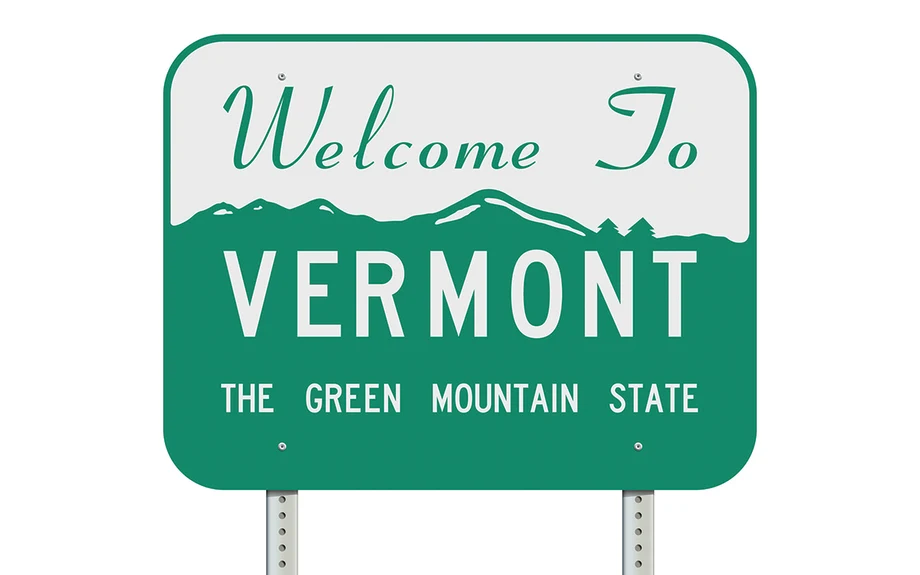
A recent rule change in Vermont requires data brokers to disclose the information they collect from consumers and allow them to opt out.
Photo by Thomas Pajot via Getty Images
Privacy regulations and legislation are topics that continue to be of concern for many auto dealers. News of data breaches, data vulnerabilities, and compromised private information is released almost daily from businesses both small and large.
No dealership is exempt from risk. The federal government has yet to propose a national privacy bill. Several states, including Virginia, Vermont, Colorado, and New Jersey, have introduced related privacy regulations recently.
California set themselves apart with the adoption of the California Consumer Privacy Act, which gave citizens the rights to not only protect their own data, but to obligate businesses to disclose exactly which information has been collected about them.
Vermont recently implemented a law regulating data broker companies that buy and sell personal information. Brokers must now disclose what information they collect as well as allow customers to opt out of collection. Furthermore, consumers can sue data brokers if they sell any information that causes illegal discrimination.
A similar law proposed in Colorado is somewhat broader yet specifically manages personal identifying information. Individual states seem to be leading the way for data privacy regulation discussions. For dealers who purchase consumer information, this should be of concern.
International regulations have also played a significant role in the privacy discussion, specifically following enforcement of the European Union’s General Data Privacy Regulation.
These regulations have certainly contributed to the movement towards consumerism and prompted dealers in the United States to rethink data collection and management, considering how violating these regulations could adversely affect their business and brand. Many dealers are asking themselves, “Am I liable and governed by the legislation in the EU?” For many, the answer is yes.
Since the introduction of the CCPA, several U.S. senators have proposed policy options for national legislation on data security and privacy. Proposed bills have had a GDPR-like flavor that is similar in scope to the international regulation. If the U.S. were to adopt similar regulatory standards, dealerships that handle personal data would need to build systems that include data protection by design and default.
Regardless of dealership size, the magnitude of data collected, shared or mismanaged is more concerning considering the sensitivity of private information dealerships are entrusted to protect. As the conversation around regulation increases, there has been much talk about what a national privacy law might look like — and how state regulations would affect dealers doing business across the U.S.
At the forefront of privacy-related issues are very visible and widely used “big tech” providers. These big companies have demonstrated some interest in getting ahead of new regulations by drafting and proposing regulatory standards themselves — possibly because there is a monetary desire for bills written on their terms, rather than abiding by laws passed in Washington.
In conclusion, states will likely continue to pave the way for privacy regulations. Until formal national legislation is adopted, and voters see these initiatives on their ballots, states will continue to implement their own forms of data protection. Problems will continue to rise for businesses as states implement their own laws that non-regulated states must abide by. A national privacy law could make this transition easier.
Matt Dumiak is director of privacy services, customer engagement compliance at CompliancePoint, where he is focused on U.S. and international direct marketing compliance regulations. Contact him at matt.dumiak@bobit.com.
Originally posted on F&I and Showroom
More Compliance

RockED Offers Free FTC Pricing Education Series for Dealerships
The program is designed to help dealers, managers and front-line teams get more information about Federal Trade Commission pricing enforcement, advertising transparency and evolving regulation.
Read More →
Dealer Ads and the FTC
The agency has made it clear in recent enforcement actions and warnings, in auto retail and other industries, that advertised prices must include all nonoptional costs to the consumer.
Read More →
AAMS Training and Mosaic Compliance Services Merge
The strategic combination is intended to expand technology-driven compliance solutions for the automotive industry.
Read More →
The Jurisprudence of Pricing
Legal concept helps makes sense of California’s recently passed version of the failed federal CARS legislation.
Read More →
Trump 2.0 and Enforcement Priorities
The upshot is don’t relax, because regulation indeed continues.
Read More →
June Is Automotive Service Professionals Month
Observance is opportunity to thank technicians for their crucial role in auto retail.
Read More →
Cox Automotive Releases Compliance Guide
New edition walks auto dealers through relevant regulations for 2025.
Read More →
Trump 2.0 and Retail Automotive
Administration’s plans should generally bode well for the industry.
Read More →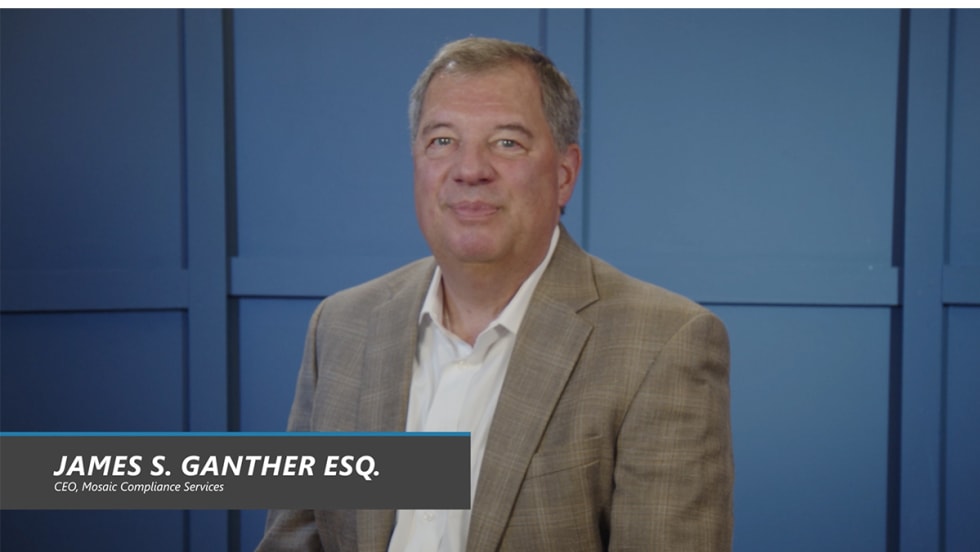
CARS Rule Update: 5th Circuit Oral Arguments Recap
In this video, Jim Ganther of Mosaic Compliance Services, recaps the key takeaways from the oral arguments in the critical CARS Rule case, including potential outcomes and what dealers should do to stay ahead of compliance changes.
Read More →
State of the CARS Rule, Part 3
The players in the automotive industry should coordinate their responses to this pending regulation.
Read More →