



The Sales Process in BHPH is Underwriting
Gene Daughtry, general manager of Best Ride, duscusses the huge role of underwriting in the BHPH sales process.


The Sales Process in BHPH is Underwriting
At our store, we start the sales process out like any other dealer—meet and greet. From there, our process goes in a different direction from other retail outlets. In regular retail, you “up” your customer, meet and greet, qualify, land them on a rig, do a proper walk-around, trial close, work the numbers, close and try to get the loan picked up by a finance company. In our operation, after we greet the customer, we qualify but our qualifying is to make sure the customer knows what we do. Our customers are asked to come inside and fill out a credit application before we begin selling a car.
In BHPH, the sales process is more about underwriting than selling. At Best Ride, our salespeople know that information-gathering is a large part of the sales process. Our business is not just selling cars. We are in the loan business and are building a portfolio. The best information-gathering we can do is when the customer wants our help and is hoping we will approve them.
Is everyone going to come in first? No. A few customers will not come in until they have decided on a vehicle. A few want details of the transaction before they will provide you with documents for verification. The majority will come inside, especially with the salesperson knowing that early selling outside, before taking an application, can be a huge waste of time. Having this type of sales process requires flexibility and perception on the part of our salesperson. Anytime you are dealing in sales, you have to be flexible. Our people are trained to understand and work with customers’ perceptions of car sales. Most customers coming to the store are uncomfortable. They are afraid of confrontation. They don’t want to tell the bad news story again, or they have a chip on their shoulder from their last experience trying to buy. Our salespeople are always working to get the customer inside so we can begin to determine what we have. In our operation, we want to know who we are dealing with before we put the vehicle in the street. The sales process is where that takes place.
The basic rules we follow are:
1. Don’t sell them something they cannot afford.
2. Don’t take the customer’s word for anything.
3. Only sell to people from our area.
4. Be honest with ourselves in underwriting.
In our operation, we take a detailed credit application and pull a bureau. We have quite a bit of information at that point. We ask for proof of income for the household (no proof, no deal). We ask for utility bills to help verify residence and we can see how they pay for the basics. We get seven to 10 personal references (name, address, phone numbers and relationship) that we check. Jobs and landlords are called. We have a score sheet we use as a guideline that includes cash flow to help us understand the customer’s tolerance for new debt. Nobody rolls without full-coverage insurance verified. Obviously we aren’t spotting cars.
Our average loan is $13,000. There are BHPH dealers that sell low-price cars and roll almost anyone. Some BHPH dealers use ignition shut-off devices or GPS units to increase confidence in their loan approvals; we do not. There are 1,000 ways to skin a cat in BHPH, so your process and underwriting should reflect your risk tolerance. No matter what price vehicle you are selling or what your risk tolerance, your sales process is a huge part of underwriting and collections.
More Dealer Ops
How to Avoid Phone Scams | Dealer Debrief 09/10/2026
Are you taking the necessary steps to protect your dealership and customer data from phone-based scams? This week's Dealer Debrief breaks down how!
Read More →
Dealer Debrief: August Auto Sales
Gas-powered engines still dominate the U.S. vehicle market, but hybrids are gaining ground as consumers look for ways to cut their gas costs.
Read More →
Dealership Profits Decline
While new and used retail sales stagnated, dealerships have been particularly supported by fixed operations and finance-and-insurance profits, according to a new report.
Read More →
Dealer Debrief: Defection Data & EV Updates
In this week's debrief, host Lauren Lawrence discusses how to use defection data to your advantage and the latest on EV sales and charging infrastructure.
Read More →
How Defection Data is Bridging the Dealership Conversion Gap
Lead volume is flat, cross-shopping is up and brand loyalty is in retreat. As confident sales teams keep losing buyers they thought they had, daily industry sales data is showing dealers exactly where their funnel is breaking and how to fix it without buying a single new lead.
Read More →
Dealer Debrief: Where are you losing customers?
In this week's debrief, host Lauren Lawrence discusses the hidden leaks in dealerships where you might be losing customers without even realizing it.
Read More →
Dealer Debrief: Improving Your Inventory Management
In this week's debrief, host Lauren Lawrence covers a new survey that shows what service technicians really want and two launches that could help improve your inventory and vehicle life cycle management.
Read More →
Ladies and Gentlemen, This Is a Dealership: Why the Fundamentals Still Decide Who Wins
A teaching moment by a legendary football coach happens to apply perfectly in the auto retail space. Learn what it is and how to use it to your store’s advantage.
Read More →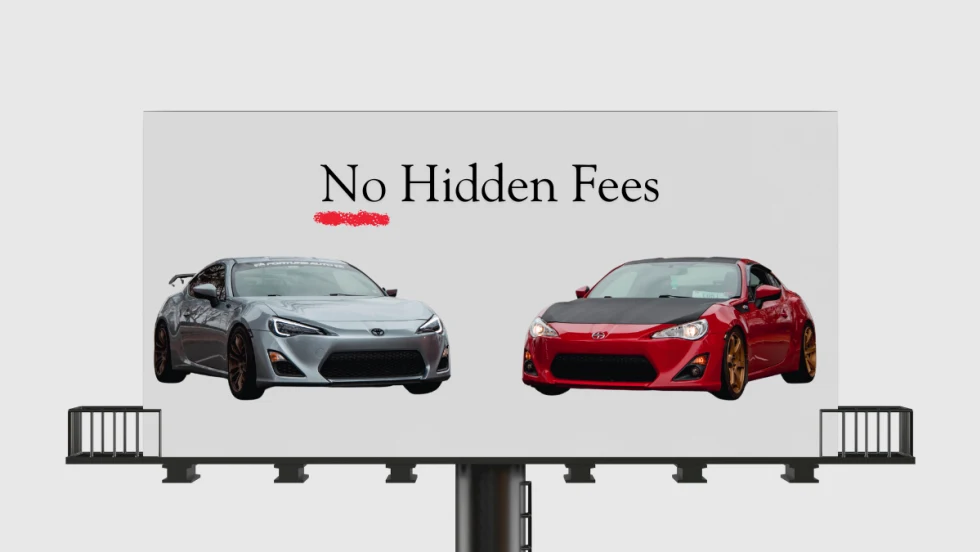
Dealer Ads and the FTC
The agency has made it clear in recent enforcement actions and warnings, in auto retail and other industries, that advertised prices must include all nonoptional costs to the consumer.
Read More →
Used Autos Supply Dwindles
The March shopping surge, despite high prices, cut into inventory by the most since the thick of the pandemic, Cox Automotive analysts calculated.
Read More →