



Why Every Dealer Needs a Post-Sale Vehicle Service Contract Program
Mickey Quinn of Vanguard Dealer Services reports customers who buy post-sale vehicle service contracts from dealerships are 3+ times as likely to buy another car from them in the future.

Mickey Quinn of Vanguard Dealer Services says post-sale service contracts can create an additional revenue stream, bring customers back to the dealership, generate revenue in the parts and service department, and ultimately encourage customers to buy another car from the dealership.
IMAGE: Vanguard Dealer Services

Mickey Quinn of Vanguard Dealer Services says post-sale service contracts can create an additional revenue stream, bring customers back to the dealership, generate revenue in the parts and service department, and ultimately encourage customers to buy another car from the dealership.
Vanguard Dealer Services
Vehicle service contracts present a great option for automobile purchasers who want to plan for repairs before their factory warranty ends. The extended vehicle service contract pays 100% for covered repairs, typically with a manageable deductible.
Purchasing these vehicle service contracts at the time of sale makes sense. Car buyers can add the purchase price into the total amount being financed, slightly bumping up their monthly payments. Some manufacturers even offer 0.0% APR financing on extended vehicle service contracts when buyers put down 10% toward the vehicle purchase price. But these vehicle service contracts cost more the longer buyers wait to add them.
But even with these benefits, more than 50% of retail buyers fail to add them at the time of sale, reports Mickey Quinn, president of Vanguard Dealer Services, a Fairfield, New Jersey-based automotive consultant that has provided training, consulting, products, and services to automotive dealerships for over 20 years.
“Dealers do a very good job of explaining the benefits of extended vehicle service programs. Over 40% of consumers buy the programs at the point of sale,” he says.
But there is still room for improvement. Quinn says consumers usually come to the table with a set payment in mind and prefer to put that payment toward the nicest vehicle in their price range versus putting money toward a service package.
Later these same consumers see more value in service programs. Maybe they changed jobs and start driving more miles per week then realize they will exceed their factory warranty more quickly than expected. Whatever the reason, over time consumers see greater value in service programs.
“A vehicle service contract allows consumers to cover unexpected repairs by paying $25-$30 a month versus getting a bill for a $2,000 repair all at once,” he says. “It’s much easier to absorb a $25-$30 a month payment than a bill that eats up an entire paycheck.”
Fortunately, an option remains for consumers that skipped the point-of-sale vehicle service program. The post-sale vehicle service contract offers the protection they seek. These contracts also pack very real benefits for dealers hoping to expand their profit margins, adds Quinn.
“These contracts in a post-sale environment can create an additional revenue stream, bring customers back to the dealership, generate revenue in the parts and service department, and ultimately encourage the customer to buy another car from the dealership,” he says. “The customer that buys an extended vehicle service contract from the dealership is 75% more likely to buy another car from it. Why would dealerships let more than 50% of their customers leave without a process to market post-sale service contracts after the sale?”
Scrap the Scams
Consumers may view post-sale service contracts with skepticism because of robo calls from third party programs that masquerade as dealership post-sale service programs. This requires dealers to take a proactive approach, Quinn says.
He notes a common complaint to the Federal Trade Commission (FTC) comes from consumers getting robo calls hawking service contracts. These third-party car warranty scams attempt to trick consumers into buying vehicle service contracts by saying the dealership is offering the warranty.
A 2016 case provides an excellent example of how these illicit programs work. Here, the FTC mailed over $4 million in refunds to 6,000 consumers conned by a Miami, Florida-based company to invest in $1,300 to $2,900 service contracts. The company completed the scam by posing as the vehicle manufacturer or dealership that consumers purchased the car from.
Later, these consumers found the “service” contract did not offer the coverage the company promised. The policies did not provide bumper-to-bumper protection, nor did they cover the vehicle engine as the firm led consumers to believe. Worse yet, those who attempted to get a refund found their efforts in vain.
Quinn reports these illegal robocalls persist today, even as the FTC attempts to crackdown on them. The FTC cautions consumers to hang up when they receive these calls, use an app to block them, and report the call to DoNotCall.gov.
But what can dealers do about these illicit programs that can tarnish their image and reputation?
These unwanted calls present disadvantages and opportunity to dealerships, according to Quinn. The disadvantage is that illicit programs make would-be purchasers of post-sale repair contracts wary of legitimate dealership warranty programs. But opportunity lies in developing a legitimate dealership program and educating consumers how to identify whether a post-sale service program comes from the dealership.
“Legitimate dealership programs do not spam consumers with robo calls that act like they’re coming from the dealership. These programs don’t call consumers at all,” Quinn says. “They communicate with customers via direct mail or email with a call-to-action for the consumer to act upon. Dealerships must inform consumers that when email or letters lack the dealer’s logo, signature and contact information, they came from a third party not connected to the dealership.”
Protect Your Reputation
Vanguard Dealer Services protects dealer reputations and provides opportunities to boost profits with vehicle service contracts that cover repair costs due to mechanical breakdowns after the vehicle warranty expires.
The 21-year-old firm offers multiple options for dealers to choose from; each offering customers an appropriate level of protection based on the mileage they drive and how long they plan to keep their vehicles. Vanguard programs provide comprehensive coverage, wrap coverage, high-mileage coverage, and more.
The company uses “A” rated insurance carriers, approved by lenders, for the provided coverage, Quinn says.
He adds, “We also help dealers build their own post-sale service contract program, train them in how it works, and help them inform consumers so they can [identify when the requests come from the dealership]. These programs are reputation protection.”
Vanguard Dealer Services facilitates the creation of all branded materials that are sent directly to customers then uses collected response data to ensure “we do not harass the customers ever,” he says.
The data is analyzed to customize each program. Then different mail and/or email campaigns are implemented, and customer responses are monitored. “Certain programs attract certain people,” he says. “For instance, when we change the car color on the mailer, we can see a spike in calls to the call center. Or maybe more calls come in after we tweak the message,” he says.
The company also makes sure mailings go to customers as their factory warranty ends. For example, someone whose vehicle is reaching that three-year, 36,000-mile warranty would receive a mailer. “That is someone in the database that we would consider attractive and someone to market to for a service contract,” he says. “We reach out to them, we analyze what they respond to, and work to ensure future mailings capture their attention.”
Reap the Rewards
The best part about the post-sale vehicle service contract program, says Quinn, is that the dealer does not pay one penny for it. Vanguard partners with an automotive post-sale marketing company to oversee the entire program. “Dealers provide a mailing and email list, approve the artwork and provide a signature for mailings, then collect the checks,” he says. “It is a 100% revenue generator for the dealership.”
Later, when customers with post-sale service contracts come in, dealerships handle the three Cs: the complaint, the cause and the cure, just as they would with any other repair. The process also remains the same for customers. They bring in their vehicle, and it’s serviced.
“Customers will not see a difference between their factory warranty or their post-sale service contract work,” Quinn says.
Dealerships that contract with an outside firm to manage post-sale vehicle service warranties come out ahead of those that do not, Quinn adds.
“A post-sale contract brings customers back to the dealership for repairs. When paired with quality service, these customers return to the dealership when they need another car. By the time customers buy two or more vehicles from a dealership, they’ve also recommended the dealership to four or five others,” says Quinn. “Customer retention is tantamount to business success. An extended vehicle warranty or vehicle service contract provides one of the best ways to deliver that retention.”
More Dealer Ops
How to Avoid Phone Scams | Dealer Debrief 09/10/2026
Are you taking the necessary steps to protect your dealership and customer data from phone-based scams? This week's Dealer Debrief breaks down how!
Read More →
Dealer Debrief: August Auto Sales
Gas-powered engines still dominate the U.S. vehicle market, but hybrids are gaining ground as consumers look for ways to cut their gas costs.
Read More →
Dealership Profits Decline
While new and used retail sales stagnated, dealerships have been particularly supported by fixed operations and finance-and-insurance profits, according to a new report.
Read More →
Dealer Debrief: Defection Data & EV Updates
In this week's debrief, host Lauren Lawrence discusses how to use defection data to your advantage and the latest on EV sales and charging infrastructure.
Read More →
How Defection Data is Bridging the Dealership Conversion Gap
Lead volume is flat, cross-shopping is up and brand loyalty is in retreat. As confident sales teams keep losing buyers they thought they had, daily industry sales data is showing dealers exactly where their funnel is breaking and how to fix it without buying a single new lead.
Read More →
Dealer Debrief: Where are you losing customers?
In this week's debrief, host Lauren Lawrence discusses the hidden leaks in dealerships where you might be losing customers without even realizing it.
Read More →
Dealer Debrief: Improving Your Inventory Management
In this week's debrief, host Lauren Lawrence covers a new survey that shows what service technicians really want and two launches that could help improve your inventory and vehicle life cycle management.
Read More →
Ladies and Gentlemen, This Is a Dealership: Why the Fundamentals Still Decide Who Wins
A teaching moment by a legendary football coach happens to apply perfectly in the auto retail space. Learn what it is and how to use it to your store’s advantage.
Read More →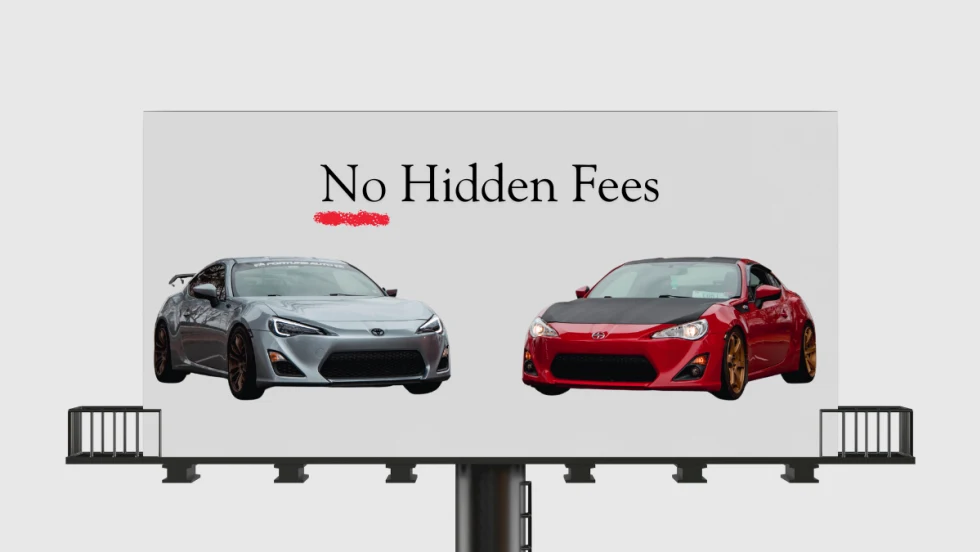
Dealer Ads and the FTC
The agency has made it clear in recent enforcement actions and warnings, in auto retail and other industries, that advertised prices must include all nonoptional costs to the consumer.
Read More →
Used Autos Supply Dwindles
The March shopping surge, despite high prices, cut into inventory by the most since the thick of the pandemic, Cox Automotive analysts calculated.
Read More →