



CFPB: 20% of Single-Payment Auto Title Loans End in Repossession
A report form the CFPB found that about 20% of auto title loan borrowers end up having their car or truck seized by the lender for failing to repay their debt. Eighty percent fall into a debt trap, with more than 66% having to take out seven or more consecutive loans to fully repay their debt.
WASHINGTON, D.C. — A report released today by the Consumer Financial Protection Bureau (CFPB) analyzed the dangers that auto title loans pose to consumers. By examining nearly 3.5 million anonymized, single-payment auto title loan records, the agency found that about 20% of borrowers who take out a single-payment auto title loan end up having their car or truck seized by the lender for failing to repay their debt.
More than 80% of single-payment auto title loan borrowers also wind up renewing their loan the day it’s due because of being unable to pay, according to the report. This, the report adds, has the consequence of more than 66% of borrowers having to take out seven or more consecutive loans until they’re able to fully repay.
“Our study delivers clear evidence of the dangers auto title loans pose for consumers,” said CFPB Director Richard Cordray. “Instead of repaying their loan with a single payment when it is due, most borrowers wind up mired in debt for most of the year. The collateral damage can be especially severe for borrowers who have their car or truck seized, costing them ready access to their job or the doctor’s office.”
The average amount for an auto title loan is $700, according to the CFPB. The typical annual percentage rate for a loan is about 300%. The report examined single-payment auto title loans, where a borrower is required to repay the loan in a lump sump that includes the loan amount, interest and fees. Twenty states in the U.S. allow for this form of loan, however, five states only allow for title loans that can be repayed in installments.
Borrowers generally use these title loans to cover an emergency or other cash-flow shortage between paychecks or other income, according to the CFPB. Borrowers use their vehicle for collateral and the lender holds their title in exchange for a loan amount. If the loan is repaid, the title is returned.
While examining auto title loans, the CFPB found that borrowers of title loans shared many of the same issues that borrowers of payday loans have. Along with high interest rates, both types of loans lead to high rates of consumer reborrowing, which can create long-term debt traps.
For more, click here.
Originally posted on F&I and Showroom
More Dealer Ops

How to Avoid Phone Scams | Dealer Debrief 09/10/2026
Are you taking the necessary steps to protect your dealership and customer data from phone-based scams? This week's Dealer Debrief breaks down how!
Read More →
Dealer Debrief: August Auto Sales
Gas-powered engines still dominate the U.S. vehicle market, but hybrids are gaining ground as consumers look for ways to cut their gas costs.
Read More →
Dealership Profits Decline
While new and used retail sales stagnated, dealerships have been particularly supported by fixed operations and finance-and-insurance profits, according to a new report.
Read More →
Dealer Debrief: Defection Data & EV Updates
In this week's debrief, host Lauren Lawrence discusses how to use defection data to your advantage and the latest on EV sales and charging infrastructure.
Read More →
How Defection Data is Bridging the Dealership Conversion Gap
Lead volume is flat, cross-shopping is up and brand loyalty is in retreat. As confident sales teams keep losing buyers they thought they had, daily industry sales data is showing dealers exactly where their funnel is breaking and how to fix it without buying a single new lead.
Read More →
Dealer Debrief: Where are you losing customers?
In this week's debrief, host Lauren Lawrence discusses the hidden leaks in dealerships where you might be losing customers without even realizing it.
Read More →
Dealer Debrief: Improving Your Inventory Management
In this week's debrief, host Lauren Lawrence covers a new survey that shows what service technicians really want and two launches that could help improve your inventory and vehicle life cycle management.
Read More →
Ladies and Gentlemen, This Is a Dealership: Why the Fundamentals Still Decide Who Wins
A teaching moment by a legendary football coach happens to apply perfectly in the auto retail space. Learn what it is and how to use it to your store’s advantage.
Read More →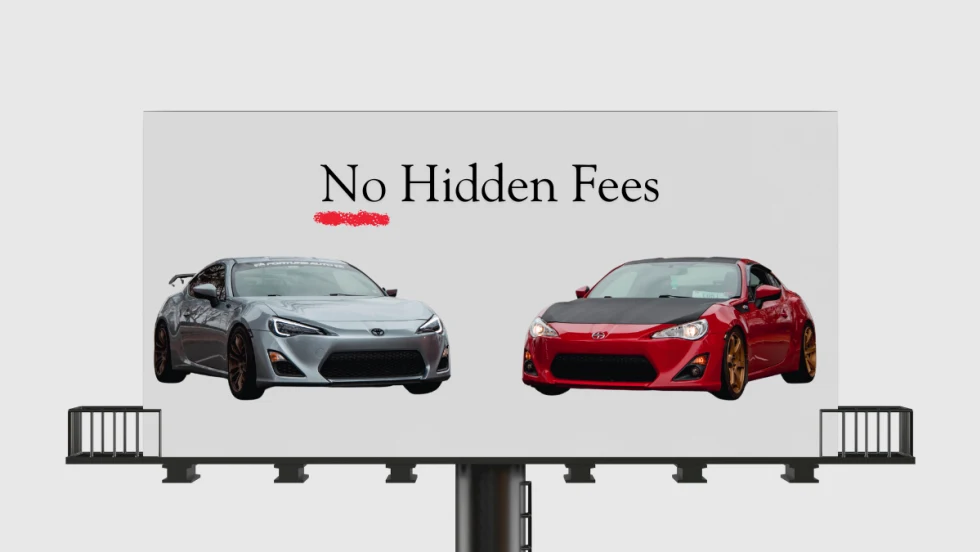
Dealer Ads and the FTC
The agency has made it clear in recent enforcement actions and warnings, in auto retail and other industries, that advertised prices must include all nonoptional costs to the consumer.
Read More →
Used Autos Supply Dwindles
The March shopping surge, despite high prices, cut into inventory by the most since the thick of the pandemic, Cox Automotive analysts calculated.
Read More →