


Drivers Agree: Impaired-Driving Tech Needed
In 2023, more than 13K people were killed in drunk-driving crashes across the U.S. for the second year in a row, according to the National Highway Traffic Safety Administration.


Drunk driving deaths have increased by 22% since 2019, according to AAA.
Canva
According to AAA's Foundation for Traffic Safety, Americans strongly support a range of measures that could reduce fatalities tied to impaired driving. Its Annual Traffic Safety Culture Index shows 67% support requiring all new cars to include alcohol-impairment prevention technology.
The Insurance Institute for Highway Safety recently told Mothers Against Drunk Driving that it plans to add impairment-detection technologies to its safety ratings criteria by 2030.
The Honoring Abbas Family Legacy to Terminate, or HALT, Drunk Driving Law passed in 2021 requires the life-saving technology to be installed into all new cars, a move it predicts will save 10,000 lives a year.
The Driver Alcohol Detection System for Safety Research Program is exploring two different technologies: breath systems and touch systems. Breath systems analyze a driver’s blood-alcohol concentration by drawing their exhaled breath into a sensor. Touch systems would measure a driver’s blood-alcohol concentration through finger or palm.
“Impaired driving is a preventable crisis, and AAA remains dedicated to helping turn the tide to make roads safer,” said AAA President and CEO Gene Boehm. “As holiday travel picks up and winter weather sets in, the roadways become even more dangerous—especially when impaired driving is added to the mix. Lives are on the line, and together with MADD, we are committed to saving them.”
During the month of December – Impaired Driving Prevention Month – AAA is partnering with MADD and autonomous taxi company Waymo to help drivers avoid impaired driving during one of the most dangerous times of the year on the road, Waymo offering a $5 ride discount through New Year’s Eve.
More Industry

U.S. EV Market Update | Dealer Debrief
The U.S. electric vehicle market is slowly recovering from the loss of the federal EV tax credit last fall. Learn more in this week's Dealer Debrief!
Read More →
Auto Finance Numbers Set Records
Third-quarter data show how consumers are adapting to ongoing affordability challenges facing the new- and-used-vehicle markets.
Read More →
Auto Dealerships Can’t Afford to Ignore the 50+ Consumer
Younger generations may be all the buzz today when it comes to product marketing targets, but their older cohorts command a sizable share of purchasing power.
Read More →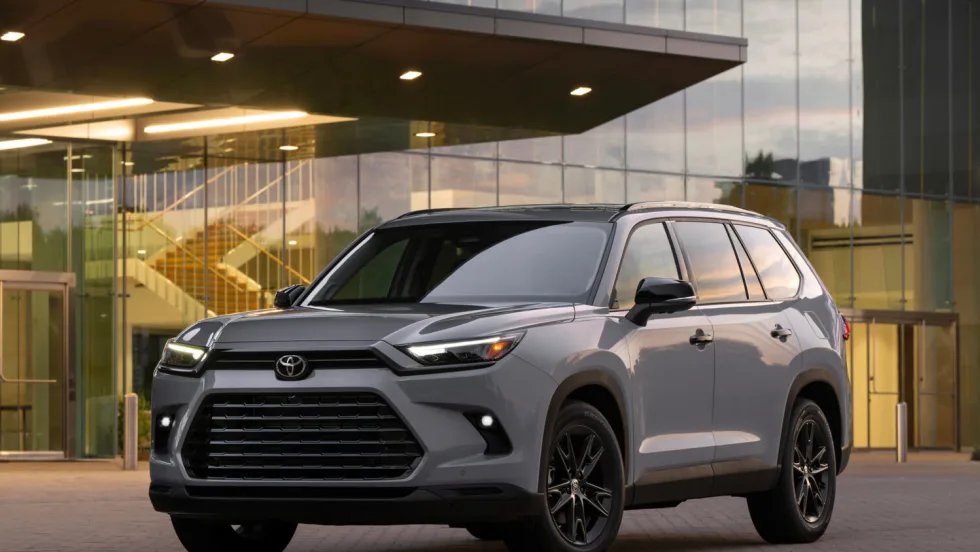
Savings Seekers Boost U.S. Automakers’ Rivals
As consumers here look for ways to curb inflation’s affect on their budgets, brands offering plenty of alternative powertrains are closing in on home-grown OEMs.
Read More →
The Slow Electric Ascent
Second-quarter data show that the electric-vehicle market in the U.S. is inching up, the majority of states seeing a month-over-month increase.
Read More →
Safer Rides & Cyberattacks
Vehicle crash testing is getting a virtual boost, but auto dealerships are facing increased cyberattacks. Learn more in this week's Dealer Debrief!
Read More →
Affordability Angst | Dealer Debrief
August saw little relief for car buyers, whether they were shopping new or used. Take a look at the month's breakdown in this week's Dealer Debrief!
Read More →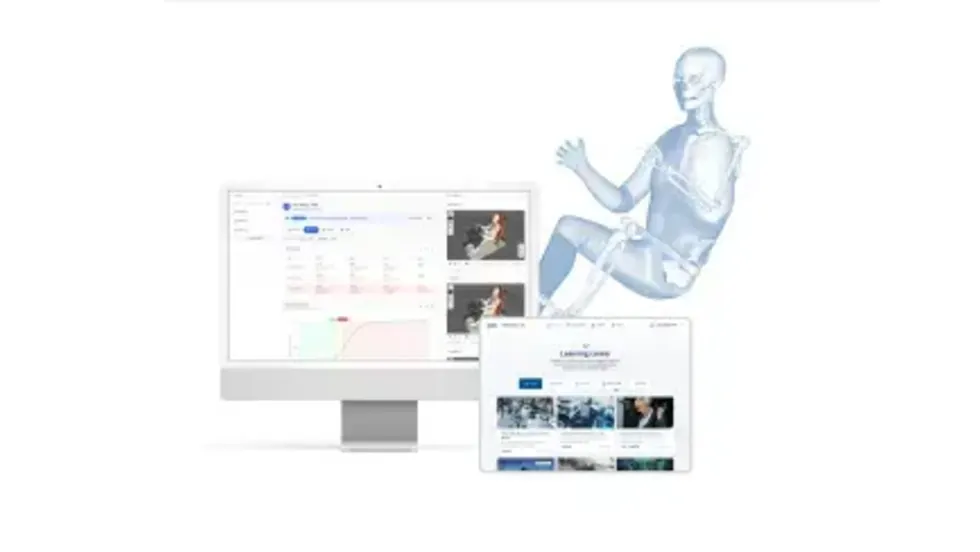
Virtual Crash Testing in the Works
A company's platform works alongside physical crash testing to gather insights into occupant response and injury mechanisms, with the idea of helping automakers develop safer vehicles.
Read More →
Tariff Tiff Examined
Some auto industry leaders are taking a relaxed view of the U.S.-Canada trade war while others worry that a dramatically adjusted playing field could mean too much collateral damage.
Read More →
EV Consideration Climbs
Despite the loss of federal EV incentives, interest has grown in the U.S., largely thanks to charging infrastructure improvements.
Read More →