



NIADA Takes on Oregon BHPH Legislation
The NIADA, its newly-formed BHPH Commission and Oregon’s independent dealer association are tackling legislation the industry believes could damage the ability of high-risk consumers to purchase cars in the state.

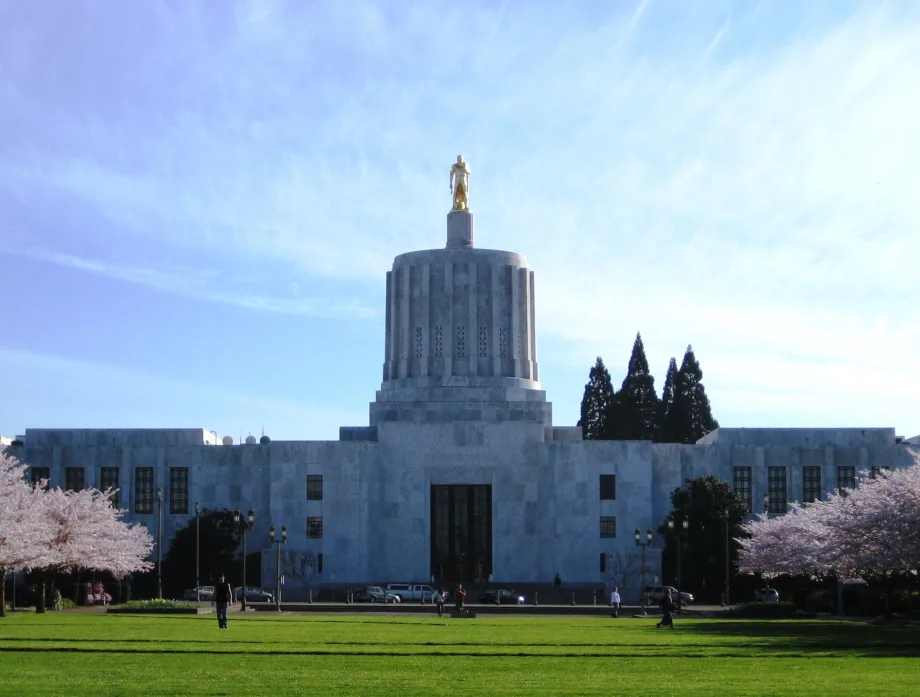
SALEM, Ore. — The National Independent Automobile Dealers Association (NIADA), along with its newly-formed Buy-Here, Pay-Here Commission and the Oregon Independent Automobile Dealers Association (OIADA), are calling on dealers to take on a bill that would change how buy-here, pay-here dealers operate in the state.
Senate Bill 276, which is currently pending before the Senate Business and Transportation Committee, would require BHPH dealers to obtain the same license from the Department of Consumer and Business Services (DCBS) as payday or auto title lenders, among other requirements.
“They are trying to put buy-here, pay-here dealers into the same framework as a payday lender or an auto title lender and the license structure that exists,” NIADA regulatory counsel Shaun Petersen told Auto Dealer Monthly. “They are trying to shove this square peg into a circle hole, and that's just not what buy-here, pay-here dealers do. They are not offering a loan; they are offering a purchase-money contract. And it's a completely apples to oranges comparison.”
This misunderstanding of how BHPH dealers do business extends to other provisions in the bill, Petersen said, including a proposed rate cap that would cap interest rates at no more than 20%, or the federal funds rate plus 17% — whichever is lower. Because customers of BHPH dealers are inherently higher risk, a cap could affect some consumers’ ability to get financing.
“If you are capping a rate at a particular point, then the risk may become too great for that buy-here, pay-here dealer to lend to that particular consumer,” Petersen explained. “The way that they have these rate caps drafted in the bill, we're concerned that you're going to eliminate the ability for some of these dealers to get loans to the higher-risk consumers; the ones that need the vehicles and can't get financed in any other place.”
The same concern extends to the bill’s proposed ban of GPS and starter-interrupt devices, which BHPH dealers use to locate and shut down vehicles of customers who are behind in their payments. “Since [dealers] are able to locate the collateral if something goes wrong, customers can end up getting into better deals because there's lower risk,” the NIADA's regulatory counsel noted.
The bill would also reduce interest rates to account for the amount of a customer’s down payment, cap repossession fees at 7.5% of the purchase price and hold contracts to underwriting standards passed by the DCBS. It would also restrict the ability of a dealer to repossess a vehicle until after 30 days from when the customer failed to make a payment, something Petersen said makes little sense for the industry. “A lot of buy-here, pay-here deals are structured with weekly installments or biweekly installments,” he said. “So if a customer is in a weekly situation, they are four installment payments behind by the time the dealer is able to repossess the car.”
Since the legislation’s introduction earlier this year, Petersen has worked alongside Shawn Miller, a longtime industry advocate in Oregon hired by the NIADA, to contact legislators and policy staff of DCBS about the bill’s potential impact on consumers and BHPH dealerships.
“Basically, this bill is wholly unworkable for the industry,” Petersen said.
Originally posted on F&I and Showroom
More Dealer Ops
How to Avoid Phone Scams | Dealer Debrief 09/10/2026
Are you taking the necessary steps to protect your dealership and customer data from phone-based scams? This week's Dealer Debrief breaks down how!
Read More →
Dealer Debrief: August Auto Sales
Gas-powered engines still dominate the U.S. vehicle market, but hybrids are gaining ground as consumers look for ways to cut their gas costs.
Read More →
Dealership Profits Decline
While new and used retail sales stagnated, dealerships have been particularly supported by fixed operations and finance-and-insurance profits, according to a new report.
Read More →
Dealer Debrief: Defection Data & EV Updates
In this week's debrief, host Lauren Lawrence discusses how to use defection data to your advantage and the latest on EV sales and charging infrastructure.
Read More →
How Defection Data is Bridging the Dealership Conversion Gap
Lead volume is flat, cross-shopping is up and brand loyalty is in retreat. As confident sales teams keep losing buyers they thought they had, daily industry sales data is showing dealers exactly where their funnel is breaking and how to fix it without buying a single new lead.
Read More →
Dealer Debrief: Where are you losing customers?
In this week's debrief, host Lauren Lawrence discusses the hidden leaks in dealerships where you might be losing customers without even realizing it.
Read More →
Dealer Debrief: Improving Your Inventory Management
In this week's debrief, host Lauren Lawrence covers a new survey that shows what service technicians really want and two launches that could help improve your inventory and vehicle life cycle management.
Read More →
Ladies and Gentlemen, This Is a Dealership: Why the Fundamentals Still Decide Who Wins
A teaching moment by a legendary football coach happens to apply perfectly in the auto retail space. Learn what it is and how to use it to your store’s advantage.
Read More →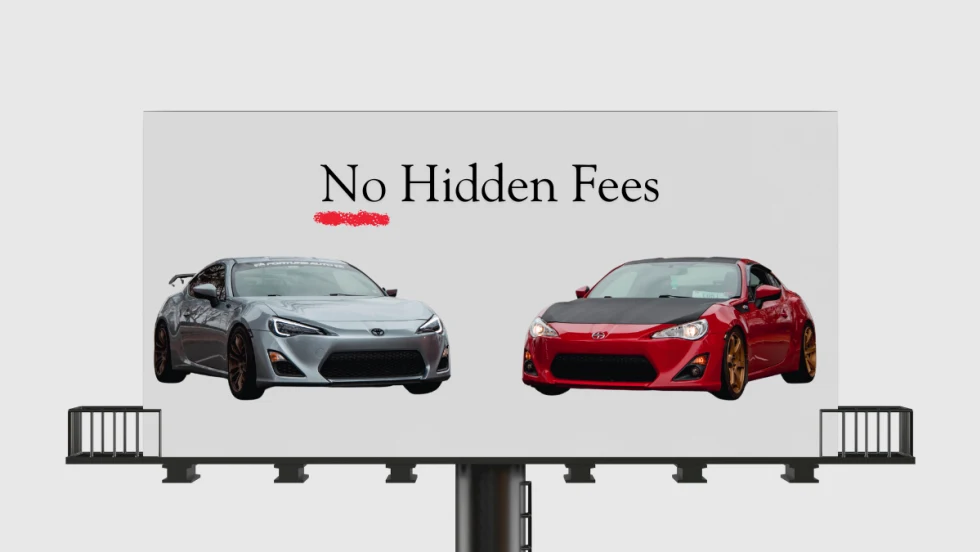
Dealer Ads and the FTC
The agency has made it clear in recent enforcement actions and warnings, in auto retail and other industries, that advertised prices must include all nonoptional costs to the consumer.
Read More →
Used Autos Supply Dwindles
The March shopping surge, despite high prices, cut into inventory by the most since the thick of the pandemic, Cox Automotive analysts calculated.
Read More →