



Nissan Ready for Next-Gen Vehicle Manufacturing with Intelligent Factory in Japan
The production line replaces labor with robots for all range of processes that ensure high quality of production with reduced lead time.

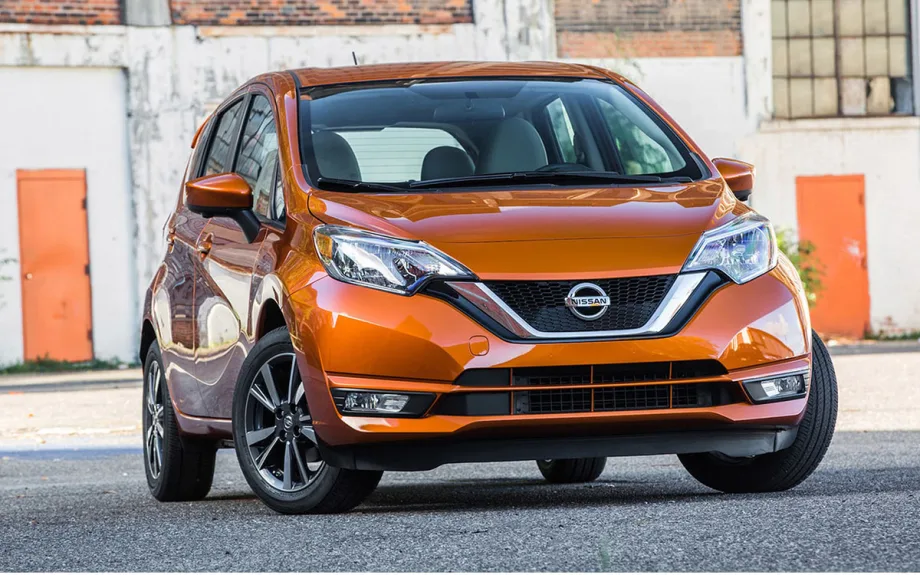
The production line replaces labor with robots for all range of processes that ensure high quality of production with reduced lead time.
GLOBAL DATA – Nissan Motor Corporation has unveiled ‘Intelligent Factory’ initiative to use artificial intelligence (AI), IoT and robotics to manufacture next-generation vehicles and a zero-emission production system in Japan. With the ‘smart’ factory, Nissan is heading in the direction where most of the players will be ensuing soon, says GlobalData, a leading data and analytics company.
Out of the JPY130bn (US$1.14bn) announced for the enhancement of its global factories, Nissan has invested JPY33bn (US$290m) on its Tochigi plant in the north of Tokyo. Tochigi is the third key production facility for Nissan in Japan after Kyushu and Oppama that has a production capacity of about 250,000 units annually. It will produce new Nissan Ariya crossover electric this fiscal year.
Bakar Sadik Agwan, Senior Automotive Analyst at GlobalData, comments: “Tochigi plant will commence Nissan’s transition to the fourth industrial revolution and will make its vehicle manufacturing more flexible and efficient.”
The production line replaces labor with robots for all range of processes that ensure high quality of production with reduced lead time.
Mr. Agwan continues: “Mercedes-Benz is already in the game with its ‘Factory 56’ – a flexible, digital and green production line based on Industry 4.0. Ford’s ‘Blue Oval City’ also aims to use always-on cloud-connected technologies for quality manufacturing. VW, Audi and BMW Group have also been rapidly adopting Industry 4.0 to digitize its production for future vehicles.”
Nissan’s intelligent factory aims to achieve carbon neutrality across the ‘life cycle’ of its vehicles and eventually become carbon neutral by 2050. This would be through improving energy and material efficiency across processes. The company aims for 100% electrification of its manufacturing by 2030 and will entirely rely on renewable sources such as geothermal, solar and wind for all its energy needs which would be developed internally.
Mr. Agwan concludes: “Global automakers’ race to the ‘net-zero’ has been picking up the pace. The shift in focus from ‘green cars’ to complete ‘green manufacturing’ has been disrupting the traditional automotive manufacturing. The disruptions are also aimed at utilizing advanced manufacturing technologies to enhance manufacturing quality, reduce lead time and combat certain other challenges faced by the auto industry such as the labour-intensive nature of the business and the unavailability of a skilled workforce. Not to forget the operational challenges and long production shutdowns that automakers faced due to the COVID-19 recently.
“Disruption in manufacturing and seriousness on net-zero targets by Nissan and other OEMs signals a loud and clear message that automakers are flexible and ready to transform with time. This is important in the aspect of growing electrification and the invasion of technology players aiming to disrupt auto manufacturing and breaking the conventional labour-intensive and heavily supplier reliant manufacturing.”
More Digital

TecAssured Expands Payment Capabilities
A new integration with ConnexPay is designed to give third-party administrators, agencies and dealers faster, more flexible payment options, improve efficiency and create profit opportunities.
Read More →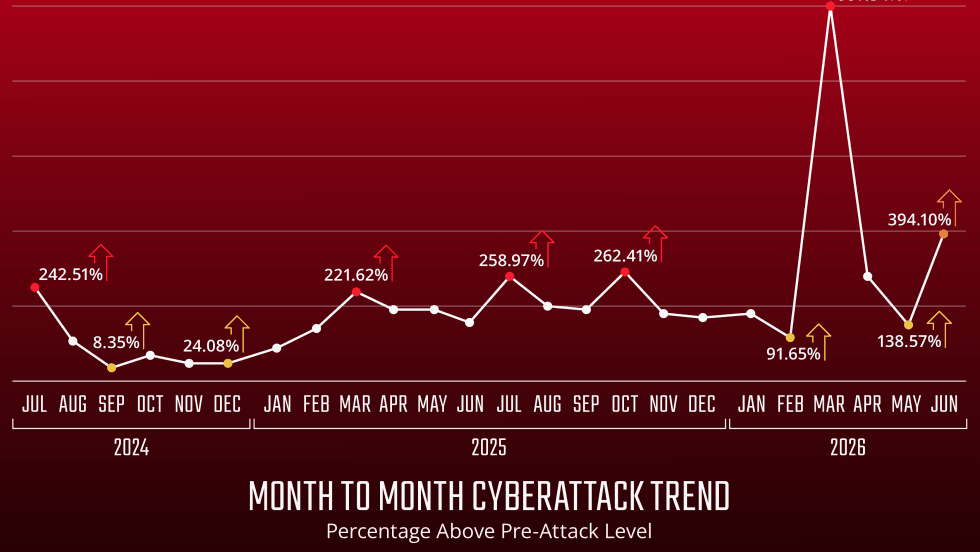
Dealerships More Frequent Cybercrook Targets
Analysis of the past year’s activity shows attacks on stores’ networks have surged dramatically as criminals leverage AI’s tools for volume and seeming legitimacy.
Read More →
Reynolds and RockEd Team Up
Via structured learning journeys and certifications, dealership personnel can get up to speed fast, a key component for success in rapidly changing retail automotive.
Read More →
Dealer Debrief: AI is Judging Your Website
In this week's debrief, host Lauren Lawrence talks about the importance of optimizing your website for AI-powered search as well as SEO.
Read More →
Your Dealership Is Being Judged by AI Search
Car shoppers are asking the tools where to buy, service and trade. The question is whether your dealership is showing up as the answer.
Read More →
Cox Automotive Tool to Streamline Dealership Workflows
The new Navigator offering is designed to work for dealers across the company's technology solutions for time savings and more.
Read More →
DAS Technology Earns Multiple Industry Honors
The company's Power AI Search was recognized for automotive artificial intelligence as .
Read More →
Reduce Fragmentation, Connect Customer Data
Automotive dealerships have the opportunity to reach more consumers by putting their customer data into a unified system, according to a new report.
Read More →
Dealer Debrief: Service Tech Recognition
In this week's debrief, host Lauren Lawrence covers a change to Automotive Service Professionals Month, a dealership acquisition, and a new Lexus rooftop!
Read More →
Dealer Debrief: Manufacturing Meets Demand
In this week's debrief, host Lauren Lawrence covers shifting strategies in the U.S. auto industry and how they reflect the current consumer demand.
Read More →