



Online Merchandising Key to Capture Buyers
Insights from Cox Automotive’s vAuto inform a new merchandising framework that can help dealers win more shoppers.


Consumers than they did even a few years ago.
IMAGE: Pexels/Karolina Grabowska
Cox Automotive data shows today’s car shoppers are formulating most of their decisions before stepping foot in a dealership, making online merchandising more important than ever. With those dynamics limiting dealers’ ability to influence decisions in person, they’ll need to re-examine their merchandising strategies to capture more shoppers further upstream.
“The fact is that consumers aren’t visiting as many dealerships as they did even a few years ago, so merchandising is now how they experience vehicles,” sas Nathan Fox, assistant vice president, Operations for vAuto, a Cox Automotive Inventory Management Solutions brand. “Shoppers are no longer just weeding out their options. They are now selecting which vehicle they are interested in purchasing—all based on online merchandising—increasing the importance for dealers to capture their attention earlier than ever before.”
The growing importance of online merchandising is driven by the following industry data and trends:
80% of shoppers are open to the idea of buying completely online.
74% of shoppers compared cars only online when searching for a vehicle.
41% of car buyers visited only one dealership before purchasing a vehicle.
Shoppers are looking at dealerships up to 100 miles beyond their local geographies.
Consumers’ online expectations have been elevated by the superior experiences of innovative companies like Amazon, digital auto retailers, and national dealer groups that are leading the way in the automotive space. Winning online shoppers’ decisions today requires dealerships to embrace merchandising in new ways so that they not only win the deselection (or browsing) battle, but also the selection decision. That places a new importance on the vehicle display page, or VDP, and dealers can utilize a framework that involves three elements to elevate their VDPs and meet the expectations of shoppers:
Providing the right information – A dealer’s VDP matters more now. During the selection process, 67% of online shoppers interact with VDP photos four times more than written content, such as technical specifications. That creates an opportunity to provide shoppers with more information and the details they need to make a confident decision. In fact, 80% of consumers prefer images with information included as overlays that provide more specific information than a photo alone. The most valuable information to highlight are details that are not easily visible in the photos and have high MSRP values, including features like four-wheel/AWD, back-up camera, smartphone operating system integration, blind-spot monitors, and entertainment display.
Building transparency – Market insights reveal that only one in four consumers think the car-buying process is transparent. The average car is owned for 6.1 years, so for most consumers, that is based on their last car-buying experience, which was years ago. Dealers today must prove to shoppers that they will have a more transparent experience this time. Clear and straightforward information is crucial, especially when it comes to damage, pricing policies and financing. For instance, 91% of shoppers want to see damage details on a 360-degree spin, and 80% report that financing information in advertising makes them feel more confident about the dealer.
Enhancing trust to increase consumer confidence – For 91% of car buyers, trust in a dealership is the leading factor in determining where to buy. Online information that can help engender that trust includes customer testimonials, dealership awards, vehicle awards, warranty details and service department information. Each of those pieces of information is a signal to the shopper that they will be treated fairly both during and after the purchase.
“Successful dealerships embrace market shifts as opportunities to remain nimble and make adjustments,” Fox said. “That’s why, especially in a time when shoppers are facing numerous economic headwinds, dealers who focus more on providing shoppers the right information online can win more buyer decisions.”
More Digital

TecAssured Expands Payment Capabilities
A new integration with ConnexPay is designed to give third-party administrators, agencies and dealers faster, more flexible payment options, improve efficiency and create profit opportunities.
Read More →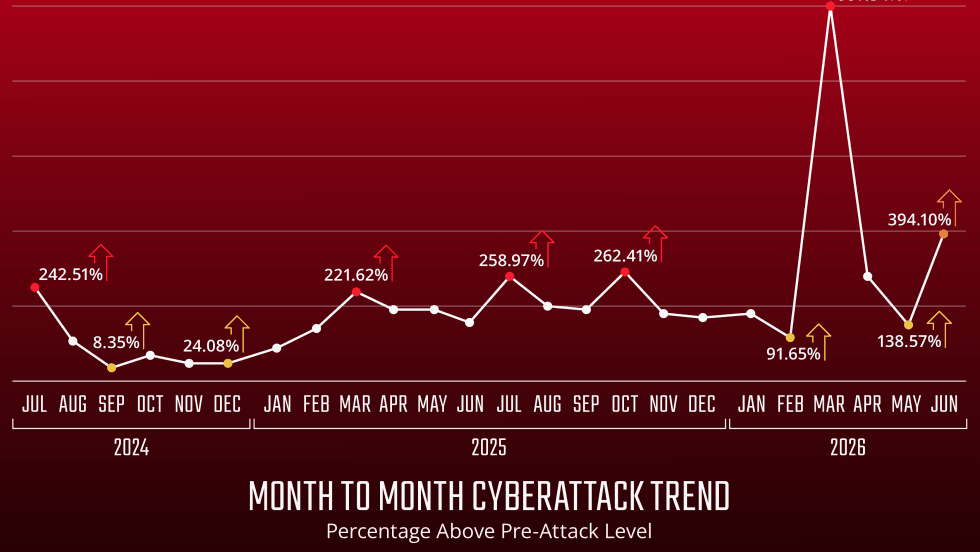
Dealerships More Frequent Cybercrook Targets
Analysis of the past year’s activity shows attacks on stores’ networks have surged dramatically as criminals leverage AI’s tools for volume and seeming legitimacy.
Read More →
Reynolds and RockEd Team Up
Via structured learning journeys and certifications, dealership personnel can get up to speed fast, a key component for success in rapidly changing retail automotive.
Read More →
Dealer Debrief: AI is Judging Your Website
In this week's debrief, host Lauren Lawrence talks about the importance of optimizing your website for AI-powered search as well as SEO.
Read More →
Your Dealership Is Being Judged by AI Search
Car shoppers are asking the tools where to buy, service and trade. The question is whether your dealership is showing up as the answer.
Read More →
Cox Automotive Tool to Streamline Dealership Workflows
The new Navigator offering is designed to work for dealers across the company's technology solutions for time savings and more.
Read More →
DAS Technology Earns Multiple Industry Honors
The company's Power AI Search was recognized for automotive artificial intelligence as .
Read More →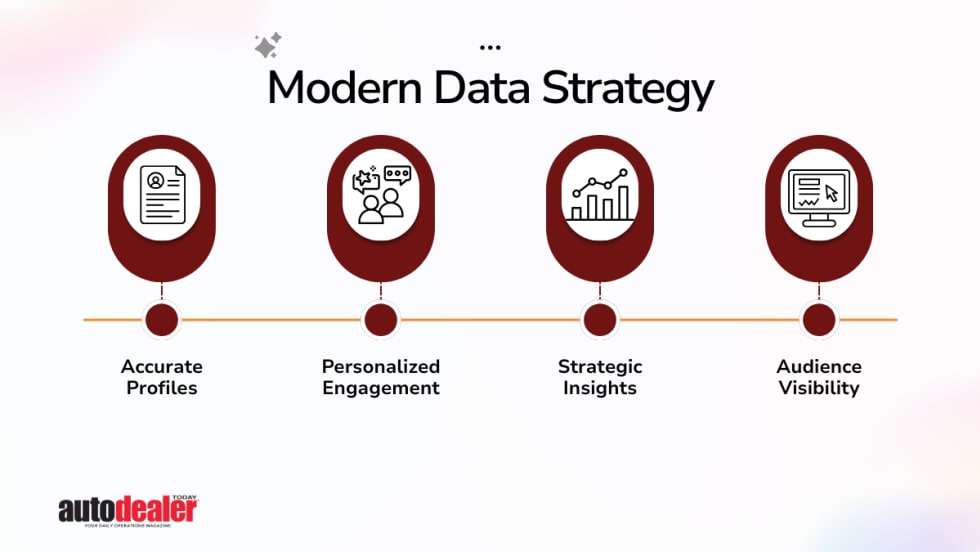
Reduce Fragmentation, Connect Customer Data
Automotive dealerships have the opportunity to reach more consumers by putting their customer data into a unified system, according to a new report.
Read More →
Dealer Debrief: Service Tech Recognition
In this week's debrief, host Lauren Lawrence covers a change to Automotive Service Professionals Month, a dealership acquisition, and a new Lexus rooftop!
Read More →
Dealer Debrief: Manufacturing Meets Demand
In this week's debrief, host Lauren Lawrence covers shifting strategies in the U.S. auto industry and how they reflect the current consumer demand.
Read More →