



Rivian Sees Setback on $5B Georgia Plant
Judge scuttles tax-break package by local authority, which may appeal the ruling.

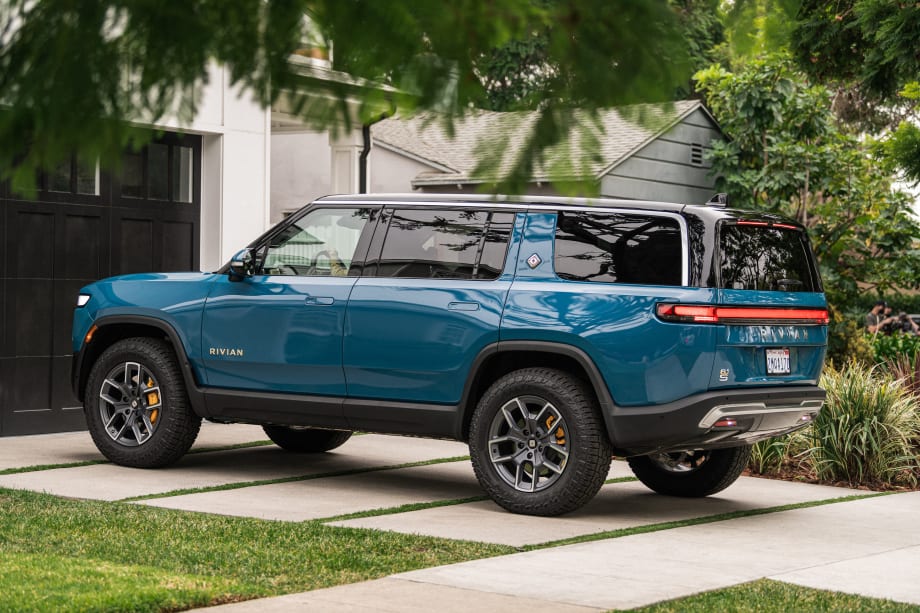
Rivian has planned to build 400,000 vehicles a year at planned Georgia plant.
IMAGE: Rivian
Rivian Automotive lost out on hundreds of millions of dollars in property tax breaks for a $5 billion manufacturing plant in Georgia when a judge threw out the agreement.
The Irvine-based, Amazon-backed electric carmaker would have benefited from $700 million in tax breaks from local and state government groups if the deal had gone through as part of the plant construction.
Morgan County Superior Court Judge Brenda Trammell declined to validate a bond agreement for the breaks, saying the local development authority that requested it hadn’t proved the proposal is “sound, reasonable and feasible,” and that state law also requires the carmaker to pay regular property taxes.
A group of local residents opposed the plant, saying it would negatively affect their quality of life in the rural area east of Atlanta.
The ruling, if upheld, calls the project into question and could put the brakes on similar tax breaks governments offer companies to build operations in their communities.
Rivian didn’t comment on the ruling, though the Georgia Department of Economic Development, which is part of the local development authority that offered the tax breaks, said it won’t abandon its plans and is considering appealing the decision.
The plant would produce a proposed 400,000 vehicles a year and employ more than 7,500 people. Rivian had planned to start production in 2024.
Originally posted on F&I and Showroom
More Dealer Ops

Dealer Debrief: Defection Data & EV Updates
In this week's debrief, host Lauren Lawrence discusses how to use defection data to your advantage and the latest on EV sales and charging infrastructure.
Read More →
How Defection Data is Bridging the Dealership Conversion Gap
Lead volume is flat, cross-shopping is up and brand loyalty is in retreat. As confident sales teams keep losing buyers they thought they had, daily industry sales data is showing dealers exactly where their funnel is breaking and how to fix it without buying a single new lead.
Read More →
Dealer Debrief: Where are you losing customers?
In this week's debrief, host Lauren Lawrence discusses the hidden leaks in dealerships where you might be losing customers without even realizing it.
Read More →

Dealer Debrief: Improving Your Inventory Management
In this week's debrief, host Lauren Lawrence covers a new survey that shows what service technicians really want and two launches that could help improve your inventory and vehicle life cycle management.
Read More →
Ladies and Gentlemen, This Is a Dealership: Why the Fundamentals Still Decide Who Wins
A teaching moment by a legendary football coach happens to apply perfectly in the auto retail space. Learn what it is and how to use it to your store’s advantage.
Read More →
What Market Timing Mistakes Mean for Your Reinsurance Program
When volatility hits, dealer-owned reinsurance programs face a familiar temptation: pull back and wait for calmer waters. New data from BOK Financial shows why that instinct can quietly cost you years of surplus growth.
Read More →
Dealer Ads and the FTC
The agency has made it clear in recent enforcement actions and warnings, in auto retail and other industries, that advertised prices must include all nonoptional costs to the consumer.
Read More →
Used Autos Supply Dwindles
The March shopping surge, despite high prices, cut into inventory by the most since the thick of the pandemic, Cox Automotive analysts calculated.
Read More →
Managing Risk Effectively Through Changing Times
The variables influencing risk pricing have changed significantly over the past five years. Being proactive and responsive to emerging trends is not optional but essential.
Read More →
Survey Reveals What Won't Fix What's Breaking Car Sales
AutoPayPlus says extra-long auto loans are trapping consumers and threatening the dealer trade-in cycle, and that the industry is leveraging the wrong tools to combat high MSRPs.
Read More →