


Swapalease: Lease Credit Approvals Fall in July
The car lease marketplace attributed the dip in approvals to a combination of factors, including a higher volume of credit-challenged lease applicants and a higher number of applicants looking for vehicles in higher-priced categories.
CINCINNATI — Vehicle lease applicants registered just a 54.3% approval rate in July, according to car lease marketplace Swapalease.
July’s credit approval rate is already showing a decrease (68.8%) from the previous month. A year ago the approvals rate was just slightly higher, reaching 57.7%. Overall, this year’s credit approval numbers have been somewhat lower than in years past.
“Both the state of the economy and the increased number of applicants indicate that more consumers are ready to lease vehicles,” said Scot Hall, executive vice president of Swapalease.com. “Unfortunately, their credit doesn’t always reflect that readiness. As the economy continues to improve, giving more people the incentive to lease vehicles out of their reach, we expect to the number of declines to be higher than normal.”
Hall attributed the dip in lease credit approvals to a combination of factors, including a higher volume of lease applicants with less-than-stellar credit worthiness, and a higher number of applicants looking for vehicles in higher-priced categories. During this time of year, Swapalease.com also typically sees a dip in the approval ratings because students with lower credit scores are looking for vehicle leases entering the new college school year.
Swapalease.com matches a person wanting out of their existing vehicle lease contract with a car shopper looking to take over a short-term vehicle lease. The marketplace has thousands of cars and trucks available for transfer to anywhere in the continental U.S.
Originally posted on F&I and Showroom
More Dealer Ops

Surface-Level Vehicle Inspections Don’t Do the Job
The approach is an easily avoided costly mistake for dealerships that could otherwise catch problems on the front end with easily obtained data.
Read More →
How to Avoid Phone Scams | Dealer Debrief 09/10/2026
Are you taking the necessary steps to protect your dealership and customer data from phone-based scams? This week's Dealer Debrief breaks down how!
Read More →
Dealer Debrief: August Auto Sales
Gas-powered engines still dominate the U.S. vehicle market, but hybrids are gaining ground as consumers look for ways to cut their gas costs.
Read More →
Dealership Profits Decline
While new and used retail sales stagnated, dealerships have been particularly supported by fixed operations and finance-and-insurance profits, according to a new report.
Read More →
Dealer Debrief: Defection Data & EV Updates
In this week's debrief, host Lauren Lawrence discusses how to use defection data to your advantage and the latest on EV sales and charging infrastructure.
Read More →
How Defection Data is Bridging the Dealership Conversion Gap
Lead volume is flat, cross-shopping is up and brand loyalty is in retreat. As confident sales teams keep losing buyers they thought they had, daily industry sales data is showing dealers exactly where their funnel is breaking and how to fix it without buying a single new lead.
Read More →
Dealer Debrief: Where are you losing customers?
In this week's debrief, host Lauren Lawrence discusses the hidden leaks in dealerships where you might be losing customers without even realizing it.
Read More →
Dealer Debrief: Improving Your Inventory Management
In this week's debrief, host Lauren Lawrence covers a new survey that shows what service technicians really want and two launches that could help improve your inventory and vehicle life cycle management.
Read More →
Ladies and Gentlemen, This Is a Dealership: Why the Fundamentals Still Decide Who Wins
A teaching moment by a legendary football coach happens to apply perfectly in the auto retail space. Learn what it is and how to use it to your store’s advantage.
Read More →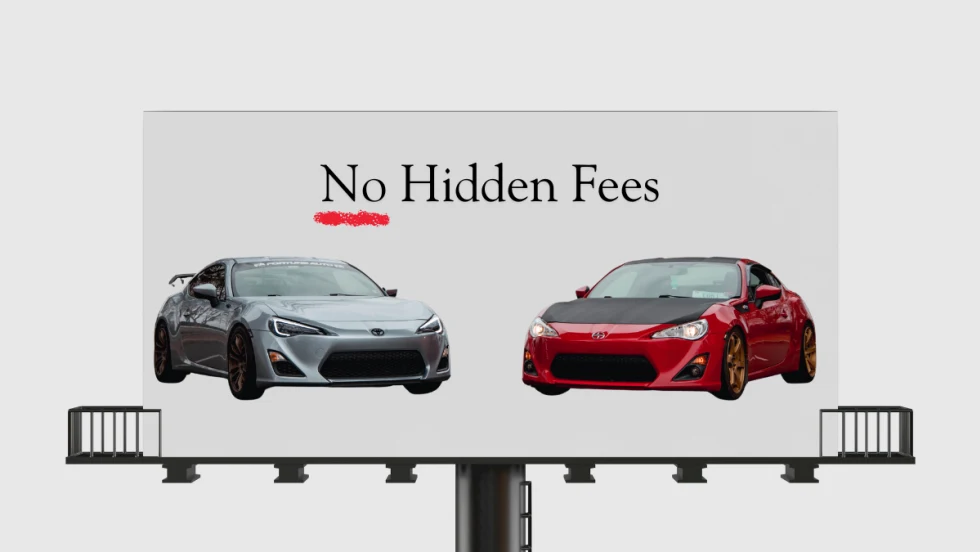
Dealer Ads and the FTC
The agency has made it clear in recent enforcement actions and warnings, in auto retail and other industries, that advertised prices must include all nonoptional costs to the consumer.
Read More →