



Tesla Mulls Exporting China-made EVs to the U.S.
Tesla is evaluating whether Model 3 and Model Y EVs made in Gigafactory Shanghai could be sold in North America starting in 2023, sources say.

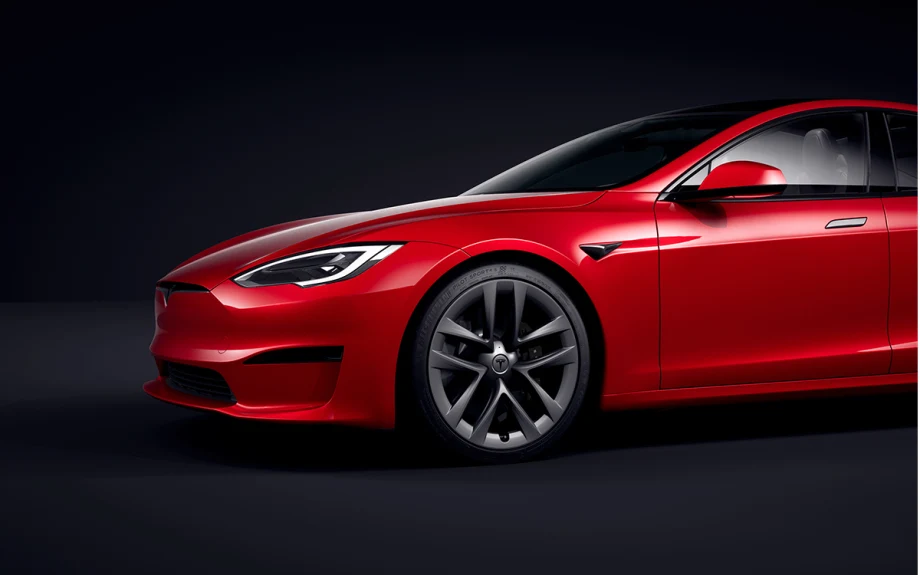
Tesla is evaluating whether Model 3 and Model Y EVs made in Gigafactory Shanghai could be sold in North America starting in 2023, sources say.
IMAGE: Tesla
Tesla is considering plans to export made-in-China electric vehicles (EVs) to the United States and Canada, connecting the automaker’s largest factory to North America, it’s largest market, according to a new article by Reuters.
According to sources close to the matter, Tesla is evaluating whether Model 3 and Model Y electric vehicles made in Gigafactory Shanghai could be sold in North America starting in 2023. The evaluation includes determining whether parts made by China-based suppliers would comply with U.S. and Canada regulations, they said.
The Shanghai plant, they say, is working on a plan for a small-batch, test run of vehicles that comply with North American standards for the first quarter of 2023, one source told Reuters.
Tesla Chief Executive Elon Musk followed the Reuters article with a Tweet that said, "False" without elaborating. Reuters reported Tesla representatives did not confirm the plans or clarify Musk’s Tweet
The review of potential exports to North America from Shanghai began during the past two weeks, according to Reuters anonymous sources and a memo detailing steps taken at the Shanghai plant to test its readiness by early 2023.
Tesla's strategy so far has been to build all vehicles sold in North America at its plants in Fremont, California, and Austin, Texas.
The automaker’s Shanghai Gigafactory has the capacity to produce 1.1 million electric vehicles per year, making it Tesla's most productive manufacturing hub. The China-based plant makes Model 3 sedans and Model Y crossovers to sell in China and for export to Europe, Australia and Southeast Asia.
A cheaper yuan against the U.S. dollar, lower raw material prices in China and the rise in Tesla and new-car prices in the United States make exports from China to the United States cost competitive, the anonymous sources said.
However, the new tax incentives for electric vehicles are based on a production incentive plan that gives preference to vehicles made in the United States. An imported vehicle may not have access to the tax rebates of up to $7,500.
Tesla noted in a filing with the Ontario government in July that it is working with officials to set up an advanced manufacturing facility in Canada. Tesla also is ramping up production at its Berlin plant, which will reduce the need for some exports from China.
The price gap between Tesla cars sold in China and the United States has widened, reflecting both higher U.S. prices and new discounts in China. All this adds up to the fact that Tesla vehicles could potentially be exported to North America at a competitive price.
Tesla sells its Model Y for the equivalent of $49,344 in China, compared to the U.S. price of $65,990. China-made cars face a 27.5% U.S. tariff, while light-duty trucks face a 25% tariff, Reuters reported. China, however, imposes a 15% tariff on imported vehicles.
More Dealer Ops

How to Avoid Phone Scams | Dealer Debrief 09/10/2026
Are you taking the necessary steps to protect your dealership and customer data from phone-based scams? This week's Dealer Debrief breaks down how!
Read More →
Dealer Debrief: August Auto Sales
Gas-powered engines still dominate the U.S. vehicle market, but hybrids are gaining ground as consumers look for ways to cut their gas costs.
Read More →
Dealership Profits Decline
While new and used retail sales stagnated, dealerships have been particularly supported by fixed operations and finance-and-insurance profits, according to a new report.
Read More →
Dealer Debrief: Defection Data & EV Updates
In this week's debrief, host Lauren Lawrence discusses how to use defection data to your advantage and the latest on EV sales and charging infrastructure.
Read More →
How Defection Data is Bridging the Dealership Conversion Gap
Lead volume is flat, cross-shopping is up and brand loyalty is in retreat. As confident sales teams keep losing buyers they thought they had, daily industry sales data is showing dealers exactly where their funnel is breaking and how to fix it without buying a single new lead.
Read More →
Dealer Debrief: Where are you losing customers?
In this week's debrief, host Lauren Lawrence discusses the hidden leaks in dealerships where you might be losing customers without even realizing it.
Read More →
Dealer Debrief: Improving Your Inventory Management
In this week's debrief, host Lauren Lawrence covers a new survey that shows what service technicians really want and two launches that could help improve your inventory and vehicle life cycle management.
Read More →
Ladies and Gentlemen, This Is a Dealership: Why the Fundamentals Still Decide Who Wins
A teaching moment by a legendary football coach happens to apply perfectly in the auto retail space. Learn what it is and how to use it to your store’s advantage.
Read More →
Dealer Ads and the FTC
The agency has made it clear in recent enforcement actions and warnings, in auto retail and other industries, that advertised prices must include all nonoptional costs to the consumer.
Read More →
Used Autos Supply Dwindles
The March shopping surge, despite high prices, cut into inventory by the most since the thick of the pandemic, Cox Automotive analysts calculated.
Read More →